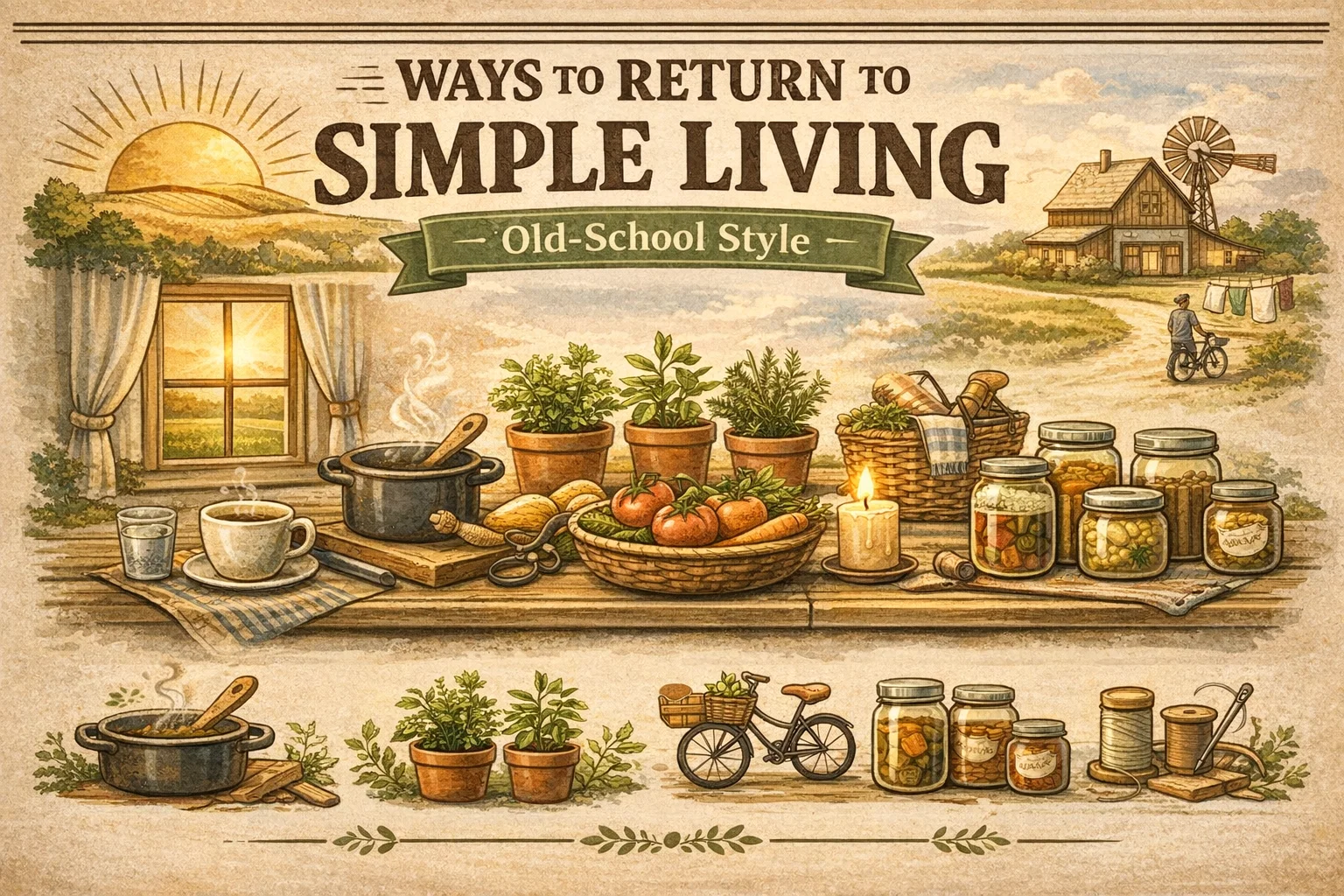
24 Old-School Simple Living Tips for a Slow, Intentional Life Minimalist Lifestyle Ideas
In a world that feels increasingly digital, fast-paced, and complex, there is a growing movement of people looking backward to move forward. The concept of simple living is not about deprivation or living in the past, but rather about choosing a life of intention and focus. When we look at the wisdom of generations before us, we see a blueprint for a life that is grounded, sustainable, and deeply fulfilling. By slowing down and embracing old-school habits, we can reclaim our time, our health, and our peace of mind.
The Foundations of an Old-School Lifestyle
Returning to the basics starts with how we interact with our immediate environment. Our ancestors lived in a way that was naturally synchronized with the rhythms of the earth. Today, we have to be more deliberate about these choices. Simple living is a collection of small, daily decisions that prioritize quality over quantity and connection over convenience. Whether it is waking up with the sun or choosing to mend a favorite shirt instead of tossing it, these actions build a foundation of resilience and contentment.
Aligning with Natural Rhythms
One of the most transformative habits you can adopt is waking up with natural sunlight rather than a jarring electronic alarm. Sunlight helps regulate your internal clock, leading to better sleep and more energy throughout the day. When we start our morning in harmony with the environment, we set a peaceful tone for everything that follows. This extends to how we spend our evenings as well. By lighting candles and reducing the harsh glow of overhead lights and screens, we signal to our bodies that it is time to rest, mirroring the natural dip in light that occurs at the end of the day.
The Joy of Cooking from Scratch
The kitchen is the heart of the home, and there is something deeply grounding about preparing food from its rawest form. Cooking from scratch allows you to know exactly what is going into your body, free from the preservatives and hidden sugars found in packaged meals. It turns a chore into a creative process. Whether you are baking a loaf of bread or simmering a large pot of vegetable soup, the act of preparation is a form of mindfulness. To make this sustainable in a busy world, batch-cooking meals for the week ensures that you always have a wholesome, home-cooked option ready to go, saving both time and money.
Cultivating a Sustainable and Intentional Home
Our homes should be sanctuaries, but often they become storage units for things we do not need. Simple living encourages us to look at our possessions with a critical eye. Instead of constant consumption, we can focus on preservation and repair. This shift in mindset reduces waste and helps us appreciate the things we already own.
Repairing and Mending as an Art Form
In a disposable culture, the act of repairing something is a radical choice. Learning basic stitching or how to use simple tools to fix a broken chair keeps items out of landfills and honors the resources used to make them. Mending clothes is particularly rewarding. A small patch or a reinforced seam can give a beloved garment a second life. This practice fosters a sense of self-sufficiency and reminds us that we have the power to maintain our own world rather than relying on constant new purchases.
The Minimalist Wardrobe
A small, intentional wardrobe is a cornerstone of simple living. By choosing high-quality, versatile pieces that you truly love, you eliminate the daily stress of deciding what to wear. A minimalist approach to clothing means less laundry, less clutter, and a more defined personal style. It is about moving away from fast fashion trends and toward timeless items that stand the test of time. When you own less, you value what you have more deeply.
Nourishing the Mind and Spirit
Simple living is as much about your internal state as it is about your physical surroundings. In our high-tech era, our minds are often cluttered with constant notifications and information overload. Finding ways to disconnect and engage with the world in a tactile way is essential for mental well-being.
The Power of Physical Media
While digital devices offer incredible convenience, they also come with distractions. Reading physical books or newspapers allows you to engage with content without the temptation of clicking away to another tab. There is a sensory experience in turning a page and feeling the paper that a screen simply cannot replicate. Similarly, writing notes or journaling by hand helps process thoughts more effectively. The physical act of moving a pen across paper slows down your thinking, allowing for deeper reflection and better memory retention.
Creating Screen-Free Sanctuaries
Designating evenings as screen-free time can transform your relationships and your sleep. When we put away the phones and tablets, we create space for real conversation, hobbies, and relaxation. Spending time sitting outside quietly for even ten minutes a day can reset your nervous system. Whether you are watching the birds or just feeling the breeze, this connection to the outdoors is a vital part of old-school wellness. It reminds us that we are part of a much larger, living world.
Self-Sufficiency and Connection to the Earth
You do not need a massive farm to practice elements of homesteading. Even in an apartment, you can take steps toward self-sufficiency. This connection to the source of our food and resources provides a sense of security and accomplishment.
Growing and Preserving Your Own Food
Start small by growing herbs on a windowsill or a few tomato plants in pots. Seeing a seed turn into something you can eat is a miracle that never gets old. Once you have a handle on growing, look into preserving food. Freezing, pickling, and fermenting are traditional methods that allow you to enjoy the harvest year-round. Fermentation, in particular, is a wonderful way to improve gut health while keeping the ancient art of food preservation alive in your kitchen. Drinking plain water and reducing packaged drinks further simplifies your intake and reduces plastic waste.
Seasonal and Local Eating
Eating seasonal, local foods ensures that you are getting the freshest nutrients possible. It supports local farmers and reduces the carbon footprint associated with transporting food across the globe. Seasonal eating also keeps you in touch with the passing of time, as you look forward to the first berries of summer or the hearty squash of autumn. Using leftovers creatively is another way to honor the food you have, turning yesterday’s roast into today’s stew or salad.
Building Community and Personal Connections
Old-school living emphasizes the importance of human connection over digital interaction. While texting is convenient, it can feel hollow compared to the warmth of a real conversation. Strengthening your local community starts with small, personal gestures.
The Value of Direct Communication
Instead of sending a quick text, try calling a family member or visiting a neighbor. These interactions build stronger bonds and provide a sense of belonging that social media cannot provide. In the past, neighbors relied on each other for help and companionship. By being the one to reach out, you help foster a culture of kindness and support in your own neighborhood. Walking or cycling for short trips instead of driving also increases your chances of spontaneous interactions with people in your community.
Daily Gratitude and Routine
Keeping a simple daily routine provides a sense of structure and calm. Within that routine, make space for practicing daily gratitude. Taking a moment each day to acknowledge what you are thankful for shifts your focus from what you lack to the abundance that already exists. Whether you write it in a journal or simply think about it while drinking your morning tea, gratitude is a powerful tool for lasting happiness.
Embracing the Slow Path Forward
Transitioning to a simpler, old-school lifestyle does not happen overnight. It is a journey of unlearning modern habits and rediscovering the joy of the basics. Start with one or two changes that resonate with you the most. Perhaps you begin by lighting candles in the evening or committing to mend one item of clothing. Over time, these small actions will weave together to create a life that feels more authentic and peaceful.
The beauty of simple living is that it is accessible to everyone. It does not require expensive equipment or a specific location. It only requires a willingness to slow down, be present, and value the things that truly matter. By choosing to live with intention, you are not just returning to the past; you are building a better, more sustainable future for yourself and the world around you. Take a deep breath, put down the phone, and start your journey toward a simpler life today.