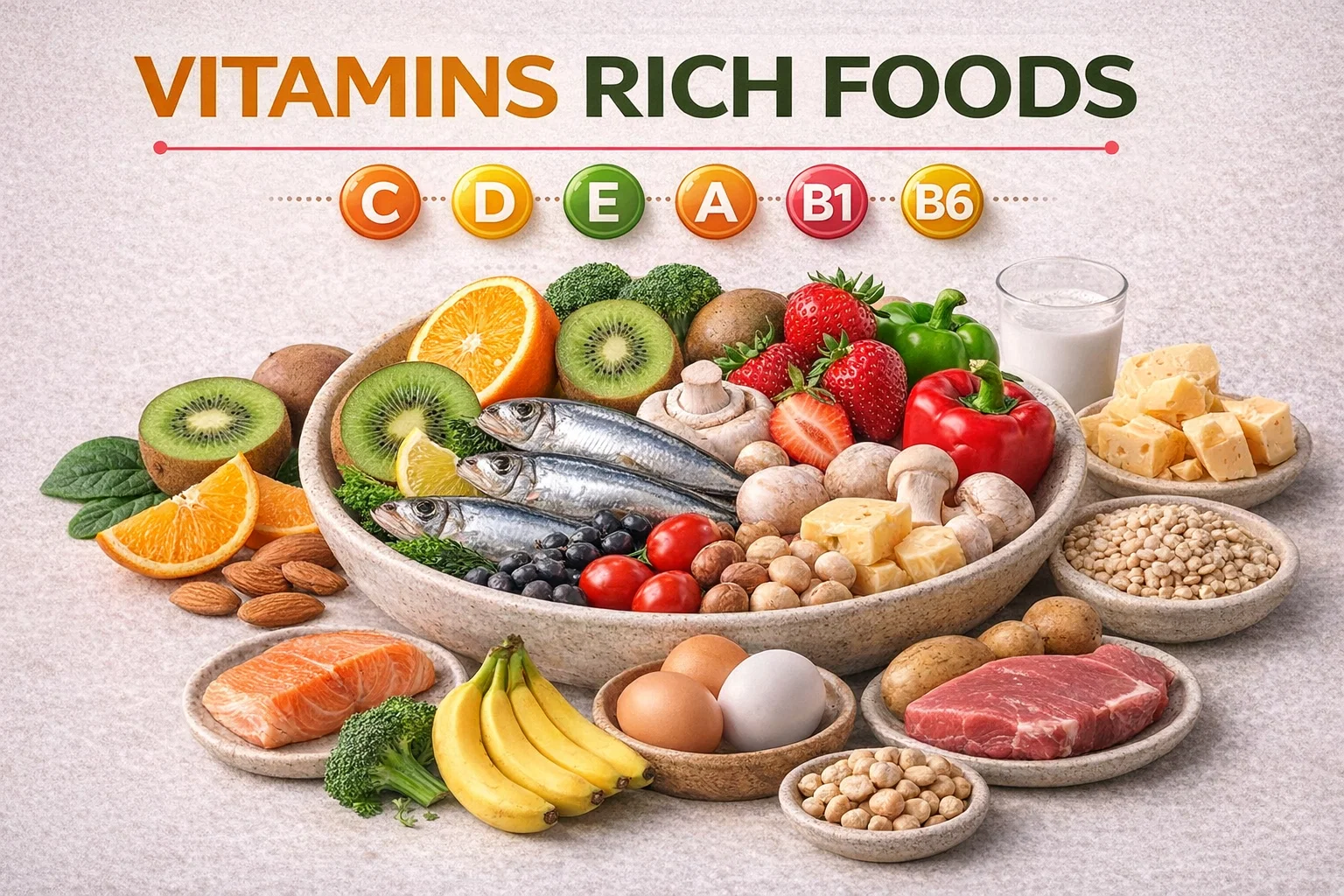
25 Vitamin Rich Foods Guide Best Sources of Vitamin C, D, E, A B for a Healthy Diet
Building a vibrant and energetic life starts with the fuel you put into your body every single day. When we talk about health, the conversation often turns to calories or macros, but the real magic happens at the microscopic level with vitamins. These essential organic compounds are the spark plugs for your metabolism, the shield for your immune system, and the secret to that natural glow. Understanding which foods are rich in specific vitamins allows you to take full control of your wellness journey through delicious, whole-food choices.
The Power of Vitamin C for Immunity and Radiance
Most people immediately think of a glass of orange juice when they feel a cold coming on, and for good reason. Vitamin C is a heavyweight champion in the world of antioxidants. It does more than just support your immune cells; it is also a vital component in the production of collagen, which keeps your skin firm and your joints healthy. While oranges are a classic choice, the diversity of Vitamin C sources might surprise you.
Top Sources of Vitamin C
- Oranges and Citrus: The gold standard for a quick, refreshing hit of nutrients.
- Kiwi: These small fruits actually pack more Vitamin C per ounce than many citrus varieties.
- Strawberries: A sweet way to get your daily dose while enjoying a low-calorie treat.
- Bell Peppers: Specifically the red and yellow varieties, which are among the most concentrated sources available in the vegetable aisle.
Incorporating these into your breakfast or as a midday snack ensures that your body has a constant supply of this water-soluble vitamin. Since your body cannot store Vitamin C, eating these foods daily is the best way to maintain optimal levels.
Strengthening Your Foundation with Vitamin D
Often called the sunshine vitamin, Vitamin D is unique because our bodies can produce it when our skin is exposed to sunlight. However, for many of us living in cooler climates or working indoors, dietary sources become essential. Vitamin D is the primary gatekeeper for calcium absorption, making it non-negotiable for bone health and mood regulation.
Reliable Dietary Vitamin D Sources
- Sardines and Fatty Fish: These provide a natural, potent source of Vitamin D along with healthy omega-3 fatty acids.
- Milk and Dairy: Often fortified to ensure that families get enough of this bone-building nutrient.
- Mushrooms: Interestingly, mushrooms can produce Vitamin D when exposed to UV light, making them one of the few plant-based sources.
- Cheese: A delicious way to add a bit of Vitamin D to your meals, particularly in varieties like Swiss or cheddar.
Adding a serving of grilled salmon or a mushroom-heavy omelet to your weekly rotation can significantly impact your Vitamin D intake, especially during the darker winter months.
Vitamin E for Protection and Repair
If you are looking for the ultimate beauty vitamin, look no further than Vitamin E. This fat-soluble antioxidant is famous for protecting your cells from oxidative stress. It helps maintain healthy skin and eyes and strengthens the body’s natural defense against illness and infection. Because it is fat-soluble, it is often found in foods that contain healthy fats.
Best Foods for Vitamin E
- Almonds: Just a handful of these nuts provides a significant portion of your daily requirement.
- Avocados: A creamy favorite that offers Vitamin E alongside heart-healthy monounsaturated fats.
- Hazelnuts and Pine Nuts: These are perfect for tossing into salads or blending into homemade pestos for a nutrient boost.
Using avocado oil or snacking on raw nuts is an effortless way to ensure your skin stays hydrated and your cells remain protected from the environment.
Vision and Vitality through Vitamin A
Vitamin A is perhaps best known for its role in maintaining clear vision, particularly in low light. It also plays a critical role in heart, lung, and kidney function. When you see vibrant orange and green colors in the produce section, you are usually looking at foods rich in beta-carotene, which the body converts into Vitamin A.
Rich Sources of Vitamin A
- Carrots: The classic vegetable for eye health, perfect for snacking or roasting.
- Spinach: Leafy greens are a powerhouse of Vitamin A and provide a massive nutrient punch for very few calories.
- Mangos: A tropical way to enjoy high levels of Vitamin A while satisfying a sweet tooth.
- Cantaloupe: This melon is incredibly hydrating and rich in the precursors needed for Vitamin A production.
A simple spinach salad topped with sliced mangos or grated carrots creates a Vitamin A powerhouse meal that supports your long-term health and keeps your vision sharp.
The B-Vitamin Family for Energy and Brain Power
The B-vitamins are a complex group that work together to turn the food you eat into the energy you use. From B1 (Thiamine) to B6 (Pyridoxine), these nutrients are essential for brain function, DNA repair, and maintaining a healthy nervous system. Because they are involved in so many metabolic processes, a deficiency often leads to fatigue and brain fog.
Fueling with Vitamin B and B1
Vitamin B1 is particularly important for glucose metabolism. If you are active or have a high-demand job, B1 helps ensure your brain and muscles have the fuel they need to perform.
- Oats and Whole Grains: Starting your day with oatmeal provides a steady release of B-vitamins.
- Eggs: A complete protein source that is also rich in various B-vitamins.
- Beans and Legumes: These are excellent plant-based sources of the B-complex family.
- Brown Rice and Pork: These provide concentrated amounts of B1 to keep your metabolic engine running smoothly.
Focusing on Vitamin B6 for Mood and Metabolism
Vitamin B6 is a multitasker. It is involved in over 100 enzyme reactions, mostly concerned with protein metabolism. It also helps the body make the hormones serotonin and norepinephrine, which influence mood.
- Salmon: This fish is not just for Vitamin D; it is also one of the best sources of B6.
- Bananas: A convenient, portable snack that helps regulate mood and energy.
- Chickpeas: Whether in a salad or as hummus, chickpeas are a fantastic B6 source.
- Chicken: Lean poultry is a reliable staple for those looking to increase their B6 intake through protein.
Creative Ways to Build a Vitamin-Rich Plate
Knowing which foods contain vitamins is the first step, but the real fun begins when you start combining them in the kitchen. Creating a vitamin-rich plate does not have to be complicated or expensive. It is about choosing variety and focusing on whole, unprocessed ingredients. A simple rule of thumb is to try and “eat the rainbow” every single day.
The Morning Nutrient Boost
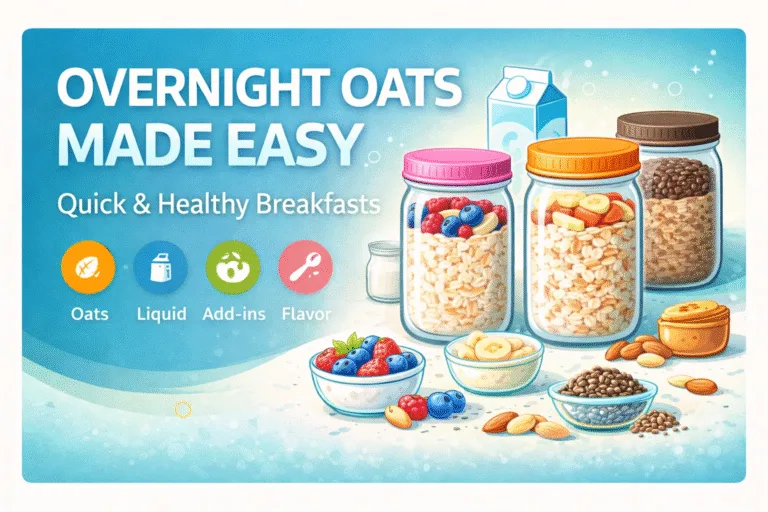
Instead of a plain bagel, try a bowl of steel-cut oats topped with sliced strawberries and a sprinkle of almonds. This combination gives you a hit of Vitamin B1, Vitamin C, and Vitamin E all before you even leave the house. If you prefer savory, an egg scramble with spinach and bell peppers covers Vitamin B, Vitamin A, and Vitamin C in one pan.
Lunch and Dinner Strategies
For lunch, a chickpea and spinach salad with a lemon-tahini dressing provides B6, Vitamin A, and Vitamin C. For dinner, consider baked salmon served with brown rice and a side of roasted carrots. This meal is a masterclass in nutrition, hitting Vitamin D, B6, B1, and Vitamin A in a single sitting. Adding a side of sliced avocado can further enhance the absorption of those fat-soluble vitamins.
Maximizing Nutrient Absorption
It is important to remember that it is not just about what you eat, but how your body absorbs those nutrients. Some vitamins, like A, D, and E, are fat-soluble, meaning they need a bit of healthy fat to be properly taken up by your system. This is why adding a little olive oil to your carrots or eating your eggs with the yolk is actually better for your nutrition than eating them fat-free.
Water-soluble vitamins like C and the B-complex are not stored in the body, so they need to be replenished daily. Cooking methods also matter. Steaming or roasting vegetables often preserves more vitamins than boiling them, as many nutrients can leach out into the cooking water and be lost.
A Sustainable Path to Wellness
Transitioning to a diet rich in these essential vitamins is one of the most sustainable ways to improve your long-term health. When you focus on filling your cart with colorful produce, lean proteins, and whole grains, you naturally crowd out processed foods that offer empty calories. You will likely find that your energy levels stabilize, your skin looks clearer, and your overall mood improves.
Remember that small changes lead to big results. You do not need to overhaul your entire pantry overnight. Start by adding one Vitamin C fruit to your lunch or swapping white rice for brown rice once a week. Over time, these choices become second nature, and your body will thank you for the high-quality fuel.
Conclusion
The journey to a healthier you is paved with the delicious, nutrient-dense foods we have explored today. From the bright citrus bursting with Vitamin C to the earthy mushrooms providing Vitamin D, nature has provided everything we need to thrive. By consciously incorporating these vitamins into your daily routine, you are doing more than just eating; you are investing in your future vitality. So the next time you head to the grocery store, look at your basket as a toolkit for your health. Fill it with colors, textures, and variety, and enjoy the incredible benefits that come with a vitamin-rich lifestyle. Your body is capable of amazing things when it has the right nutrients to support it!