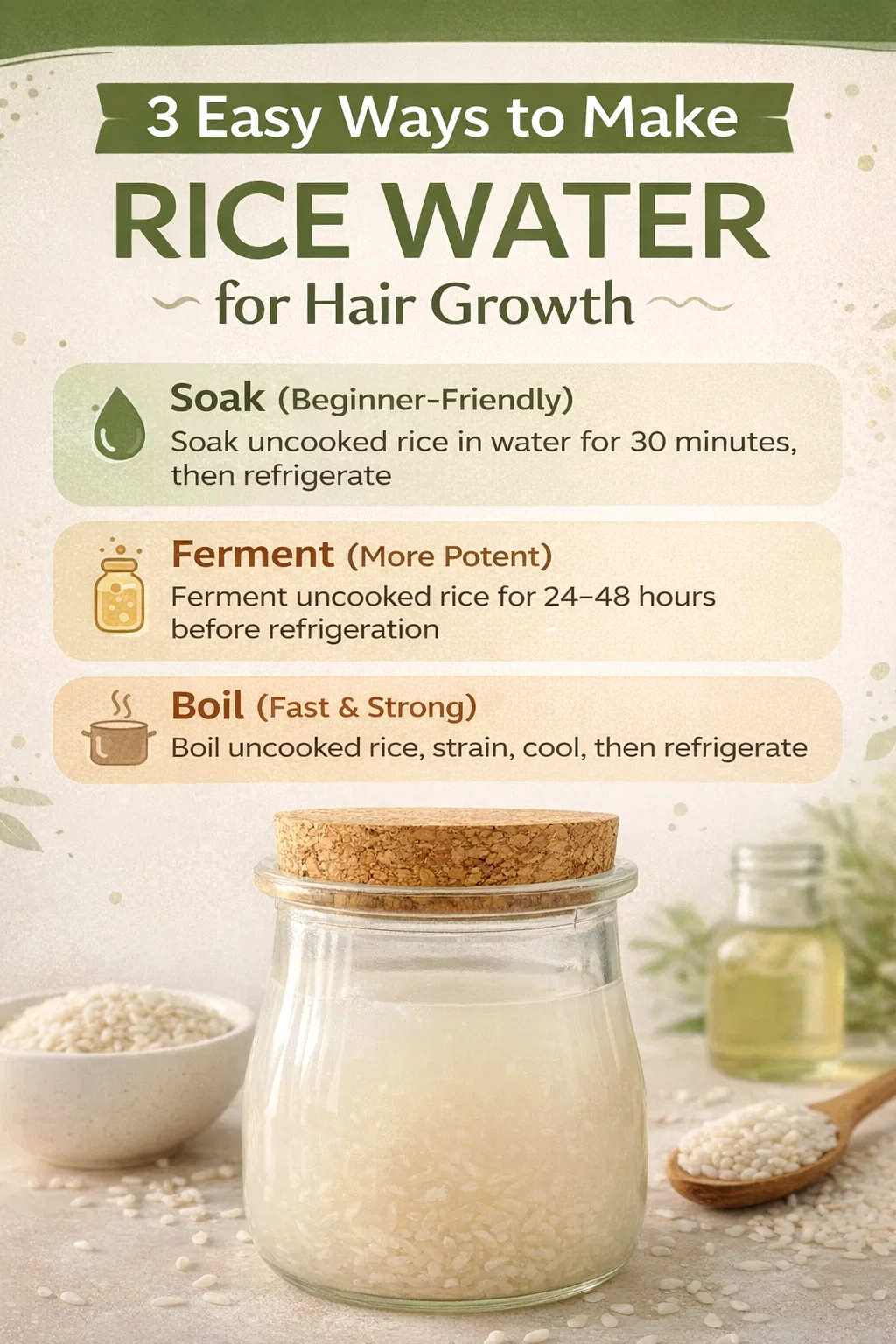
3 Easy Ways to Make Rice Water for Hair Growth at Home
Have you ever looked at traditional beauty rituals and wondered if the secret to long, flowing hair has been sitting in your pantry all along? For centuries, women in East Asia, particularly the Yao women in China, have been celebrated for their floor-length, jet-black hair that rarely grays. Their secret is deceptively simple: rice water. This humble liquid, often discarded during cooking, is actually a potent elixir overflowing with vitamins, minerals, and amino acids that can transform your hair from brittle to brilliant. If you are ready to ditch the expensive chemical treatments and embrace a natural, DIY approach to hair growth, you have come to the right place. Let us dive into the science, the methods, and the best practices for making rice water work for you.
The Science Behind Rice Water and Hair Growth
Before we jump into the kitchen, it is helpful to understand why rice water is so effective. When you soak or boil rice, the water absorbs several key nutrients. One of the most significant components is inositol, a carbohydrate that penetrates damaged hair and repairs it from the inside out. Interestingly, inositol stays inside the hair even after rinsing, providing ongoing protection against breakage and environmental stressors.
Additionally, rice water is rich in amino acids, which are the building blocks of protein. Since hair is primarily made of a protein called keratin, these amino acids help to strengthen the hair shaft, leading to less shedding and more length retention. You will also find Vitamin B, Vitamin E, and various antioxidants that nourish the scalp and create the perfect environment for healthy follicles to thrive. It is not just about making hair grow faster; it is about making the hair that grows out stronger and more resilient.
Choosing the Right Rice for Your Hair Type
You might be surprised to learn that the type of rice you choose can make a difference. While any rice will technically work, many enthusiasts prefer organic white rice because it lacks the outer husk that can sometimes make the water too heavy or oily for fine hair. Brown rice is also a popular choice because it is less processed and retains more of its natural nutrient profile, though it may require a longer soaking time.
Black rice, often called forbidden rice, is an incredible option if you are looking for a high concentration of antioxidants. Jasmine and Basmati rice provide a lovely natural scent, which can be a bonus if you are sensitive to the earthy smell of plain rice water. Regardless of the variety you choose, the most important step is to rinse the rice thoroughly before you start the preparation process to remove any dust or impurities.
Method 1: The Soaking Method for Beginners
If you are new to DIY hair care, the soaking method is the perfect place to start. It is straightforward, requires zero heat, and is very gentle on the hair. This method extracts the nutrients without changing the chemical structure of the water too drastically, making it a safe bet for all hair types.
Step-by-Step Soaking Instructions
- Rinse: Take 1/2 cup of uncooked rice and rinse it under cool water to remove surface dirt.
- Combine: Place the clean rice in a glass bowl or jar and add 2 to 3 cups of filtered water.
- Soak: Let it sit at room temperature for about 30 minutes. You can give it a gentle stir occasionally to help release the starches.
- Strain: Strain the rice and collect the cloudy liquid in a clean container.
- Storage: Use it immediately or store it in the refrigerator for up to 4 days.
The soaking method produces a lighter version of rice water that is great for frequent use. If you have fine hair that gets weighed down easily, this is likely your best match.
Method 2: The Fermentation Method for Maximum Potency
For those who want to take their hair care to the professional level, fermentation is the way to go. Fermented rice water has a lower pH level that is closer to the natural pH of your hair and scalp. This process also creates a substance called pitera, which is a yeast byproduct known for promoting cell regeneration and intense shine.
How to Ferment Your Rice Water
Start by following the soaking method steps above. However, instead of using the water after 30 minutes, you will leave the rice and water mixture in a jar at room temperature for 24 to 48 hours. You will know it is ready when it develops a slightly sour or fermented smell. This indicates that the beneficial bacteria have done their job.
Because fermented rice water is very concentrated and acidic, it is highly recommended to dilute it with plain water before applying it to your hair. A common ratio is one part fermented water to two parts plain water. This ensures you get all the benefits without causing protein overload or scalp irritation. If the smell is too strong for your liking, adding a few drops of lavender or rosemary essential oil can make the experience much more pleasant.
Method 3: The Boiling Method for Fast Results
If you are short on time or prefer a thicker, more concentrated rinse, the boiling method is a fantastic alternative. This is essentially the water left over after you cook rice normally, but with a slight twist to ensure it stays in a liquid form rather than becoming a mushy paste.
Cooking Your Way to Better Hair
- Measure: Use 1/2 cup of rice but double or triple the amount of water you would normally use for cooking.
- Boil: Cook the rice until the water becomes a thick, milky white color.
- Strain: Strain the liquid into a bowl while it is still hot, as it will thicken further as it cools.
- Cool: Allow the liquid to reach room temperature before transferring it to the fridge or applying it to your scalp.
This version is very starchy and acts almost like a deep conditioning treatment. It is excellent for those with high porosity hair or hair that has been damaged by heat and coloring, as the concentrated starches help to fill in the gaps in the hair cuticle.
How to Apply Rice Water to Your Hair
Knowing how to make it is only half the battle; knowing how to use it correctly is what truly brings the results. You should treat rice water like a treatment or a rinse rather than a daily shampoo. Most people find that using it once or twice a week is the sweet spot.
Start by washing your hair with your regular gentle shampoo. Once your hair is clean and damp, pour the rice water over your scalp and through the lengths of your hair. Massage it into your scalp for a few minutes to stimulate blood flow. Leave it on for 10 to 20 minutes, then rinse it out thoroughly with cool water. You can follow up with a light conditioner on the ends if your hair feels a bit stiff. The result is usually an immediate boost in shine and a feeling of increased thickness.
Common Mistakes to Avoid
While rice water is a natural remedy, it is possible to have too much of a good thing. The most common mistake is leaving rice water in the hair for too long or not rinsing it out. Because it is so rich in protein, leaving it in can cause the hair to become brittle and eventually snap. Always stick to the 20 minute limit.
Another mistake is using it too frequently. If you notice your hair feeling “crunchy” or losing its elasticity, you might be experiencing protein overload. Simply take a break for a few weeks and focus on deep moisture treatments to restore the balance. Lastly, always make sure your rice water is fresh. If it has been in the fridge for more than a week, throw it out and start a new batch to avoid any bacterial growth.
Customizing Your Rice Water Rinse
You can easily customize your DIY rinse by adding other natural ingredients. If you have a dry scalp, adding a teaspoon of aloe vera juice can provide extra hydration. For those struggling with dandruff, a few drops of tea tree oil or a piece of dried orange peel added during the soaking phase can provide antibacterial benefits. The possibilities are endless, and experimenting with these additions can help you tailor the treatment to your specific needs.
Conclusion: Your Journey to Healthy Hair Starts Now
Incorporating rice water into your beauty routine is one of the most cost-effective and rewarding steps you can take for your hair health. Whether you choose the beginner-friendly soaking method, the potent fermented version, or the quick boiling technique, you are giving your strands the nourishment they deserve. Consistency is key, so give your hair a few weeks to adjust and start showing off that natural luster and strength.
Natural beauty does not have to be complicated or expensive. Sometimes, the most powerful solutions are the ones that have been passed down through generations, waiting for us to rediscover them. So, the next time you are preparing dinner, save that rice water! Your hair will thank you with every inch of growth and every ounce of shine. If you found these tips helpful, make sure to share your results and keep exploring the wonderful world of natural, home-grown wellness.