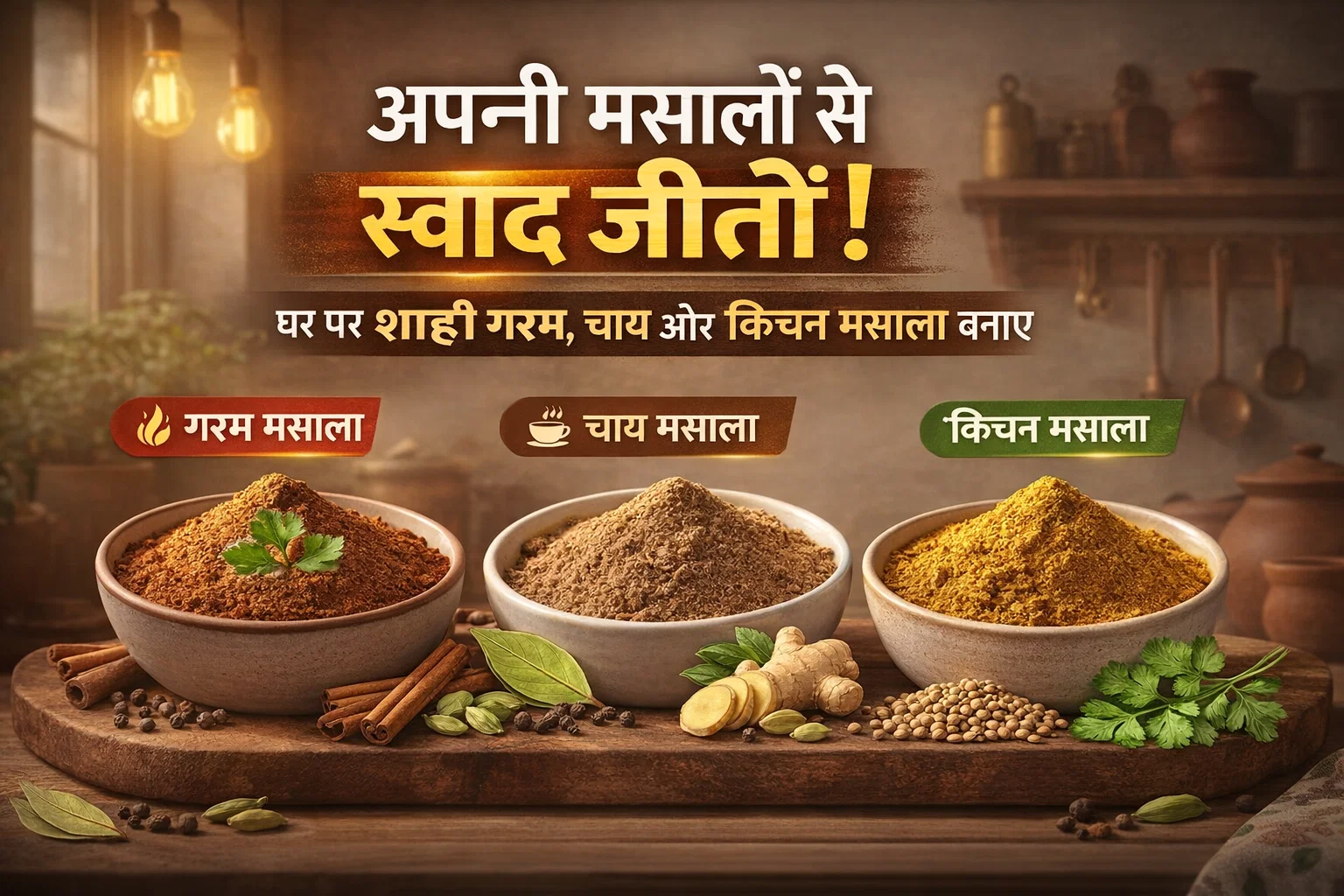
3 Secret Homemade Masala Recipes for Authentic Indian Flavors Shahi Garam, Chai Kitchen King
The aroma of freshly roasted spices wafting through a kitchen is a sensory experience that no store bought packet can ever replicate. If you have ever wondered why restaurant curries have that deep, lingering flavor or why a roadside cutting chai feels so much more soulful than your home brew, the secret lies in the masala. Creating your own spice blends is not just about cooking; it is about reclaiming the authentic essence of Indian culinary traditions. By selecting whole spices, roasting them to release their natural oils, and grinding them into fine powders, you transform ordinary ingredients into extraordinary meals.
Today, we are diving deep into the art of the spice rack. We are breaking down three foundational Indian spice blends: Shahi Garam Masala, Kadak Chai Masala, and the versatile Kitchen King Masala. These are the three pillars that can elevate your cooking from basic to professional. Whether you are looking to boost your wellness through natural ingredients or simply want to impress your guests at the next dinner party, these recipes are your roadmap to flavor mastery.
The Science of Scent: Why Homemade Masalas Win Every Time
Before we jump into the specific recipes, it is important to understand why making masalas at home is a game changer. Commercial spice powders often sit on warehouse shelves for months, losing their volatile oils and potency. Many brands also use fillers or anti-caking agents to maintain texture. When you make these blends in your own kitchen, you are in total control of the quality and the proportions.
Unlocking Volatile Oils through Roasting
Whole spices like cloves, cinnamon, and cardamom contain essential oils that are trapped within their cellular structure. When you dry roast these spices on a low flame, the heat breaks down those cells and brings the oils to the surface. This is why the smell of roasted cumin or coriander is so much more intense than the raw versions. This process also removes any residual moisture, ensuring that your homemade powders have a long shelf life without needing artificial preservatives.
Customizing for Your Palate and Health
One of the biggest benefits of being your own spice master is customization. If you prefer a punchier, spicier Garam Masala, you can increase the black pepper. If you find store bought Chai Masala too ginger heavy, you can balance it with more green cardamom. For those focused on holistic health, using high quality whole spices ensures you get the full antioxidant and anti-inflammatory benefits that spices like turmeric and ginger provide.
1. Shahi Garam Masala: The Royal Finishing Touch
Garam Masala translates literally to warm spice blend. It is not necessarily hot in terms of chili heat, but it provides a warming sensation to the body. The Shahi or royal version is characterized by its complex layers and the inclusion of aromatic spices like nutmeg and mace.
Ingredients for Shahi Garam Masala
- Cumin Seeds (Jeera): 4 tablespoons
- Black Cardamom (Badi Elaichi): 5 to 6 pieces
- Whole Coriander (Sabut Dhania): 2 tablespoons
- Cinnamon (Dalchini): 2 to 3 sticks
- Black Peppercorns (Kali Mirch): 1 tablespoon
- Nutmeg (Jaiphal) and Mace (Javitri): A small pinch of each
- Cloves (Laung): 1 teaspoon
- Bay Leaves (Tejpatta): 3 to 4 leaves
The Preparation Method
To start, place a heavy bottomed pan over a low flame. Add all the whole spices except for the nutmeg and mace. Roast them gently for 2 to 3 minutes. You are not looking to brown them heavily; you simply want them to become fragrant and slightly warm to the touch. Once you smell that unmistakable nutty aroma, turn off the heat.
Allow the spices to cool completely. This step is crucial because grinding hot spices can cause them to release moisture, resulting in a clumpy powder. Once cool, add the nutmeg and mace, then grind everything in a high speed blender until you have a fine, silky powder. Sieve the mixture to remove any woody bits from the cinnamon or cardamom husks. Store this in an airtight glass jar to keep the royalty intact.
2. Kadak Chai Masala: Reimagining Your Morning Tea
For many, tea is not just a drink; it is a ritual. A good Chai Masala can turn a simple cup of milk and tea leaves into a therapeutic experience. This specific blend focuses on warmth and digestion, making it perfect for rainy afternoons or chilly mornings.
The Secret Blend Proportions
- Green Cardamom (Hari Elaichi): 50 grams (provides the primary floral aroma)
- Cinnamon (Dalchini): 10 grams
- Dry Ginger Powder (Sonth): 30 grams (adds the signature bite)
- Cloves (Laung): 10 grams
- Black Peppercorns (Kali Mirch): 20 grams
- Nutmeg (Jaiphal): 1 small piece, grated
Crafting the Perfect Brew
Unlike the Garam Masala, we want to be very careful with the heat here. Lightly warm the cardamom, cloves, cinnamon, and black pepper just enough to remove any humidity. Do not over roast them, as we want to preserve the bright, citrusy notes of the green cardamom. Once they are crisp, let them cool down.
Combine these with the dry ginger powder and the grated nutmeg. Grind the mixture until it reaches a fine consistency. Because of the high ginger content, this masala is excellent for soothing sore throats and boosting immunity. Just a quarter teaspoon per cup of tea is enough to transform your brew into a café style Kadak Chai.
3. Kitchen King Masala: The All Purpose Flavor Booster
If there is one masala that can do it all, it is Kitchen King. This is the ultimate shortcut for North Indian style gravies, dry vegetable sautés, and even snacks. It is a complex blend that balances savory, tangy, and earthy notes.
What Goes into Kitchen King?
- Coriander Seeds: 3 tablespoons
- Dried Fenugreek Leaves (Kasuri Methi): 1 tablespoon
- Cumin Seeds: 1 tablespoon
- Turmeric and Red Chili Powder: 1 teaspoon each
- Roasted Chana Dal: 1 tablespoon (this adds a unique thickness and nuttiness to the gravy)
- Dry Ginger Powder: 1/2 teaspoon
- Mustard Seeds (Rai): 1 teaspoon
- Asafoetida (Hing): 2 pinches
Blending the Ultimate All-Rounder
Start by roasting the coriander seeds, cumin, mustard seeds, and chana dal. The chana dal needs a bit of time to get crunchy and golden. Once they are nearly done, turn off the heat and toss in the Kasuri Methi. The residual heat of the pan is enough to crisp up the fenugreek leaves without burning them. Burning Kasuri Methi can make the whole blend bitter, so be very careful.
After the mixture cools, add the turmeric, chili powder, ginger powder, and hing. Grind everything together into a fine powder. This masala is the secret ingredient for restaurant style Paneer Masala or Aloo Gobhi. It provides that signature yellow-orange hue and a savory depth that makes people ask for your secret recipe.
Best Practices for Storing and Using Your Masalas
Now that you have put in the effort to create these beautiful blends, you need to treat them with respect. Proper storage is the difference between a spice blend that lasts six months and one that loses its soul in two weeks.
Glass is Your Best Friend
Always store your masalas in glass jars rather than plastic. Plastic can absorb the strong scents of the spices and may even leach chemicals into the powder over time. Glass provides a neutral environment and a better airtight seal. Keep these jars in a cool, dark cupboard away from the stove. Heat and sunlight are the enemies of spice potency.
When to Add Masala to Your Cooking
Timing is everything. For Kitchen King Masala, add it during the sautéing of onions and tomatoes so the flavors can meld with the base of the dish. For Shahi Garam Masala, it is best added at the very end of cooking. Sprinkle it over the top, cover the pot with a lid, and let it sit for two minutes. This traps the delicate aromatic oils inside the dish. For Chai Masala, add it while the water is boiling with the tea leaves to ensure the ginger and cardamom fully infuse into the liquid.
A Step Toward a Healthier Kitchen
Moving away from pre-packaged foods is a cornerstone of a wellness focused lifestyle. By making these masalas, you are reducing your intake of sodium and hidden preservatives. You are also engaging in a mindful activity that connects you with the food you eat. There is a deep satisfaction in knowing exactly what went into your spice jar, from the quality of the cinnamon bark to the freshness of the peppercorns.
Beyond the health benefits, the economic value is significant. Buying whole spices in bulk and grinding them yourself is far more cost effective than buying small, expensive tins of gourmet blends. You are getting a superior product for a fraction of the price.
Conclusion: Your Journey into Authentic Flavor
The journey to mastering Indian cuisine begins with the spice box. By taking the time to roast and grind your own Shahi Garam Masala, Kadak Chai Masala, and Kitchen King Masala, you are doing more than just preparing ingredients; you are preserving a culinary heritage. These blends are the heartbeat of the kitchen, providing the warmth, aroma, and soul that make home cooked meals so special.
Do not be afraid to experiment with the ratios. Cooking is an art, and your spice blends should reflect your personal taste. Start with these proportions and adjust them as you discover what resonates with your palate. Once you experience the vibrant difference of truly fresh masalas, there is no going back to the store bought aisle. Your kitchen will smell better, your food will taste richer, and your cooking will reach a whole new level of excellence.
Would you like to explore more DIY kitchen essentials or perhaps a specific recipe to use these new masalas in? Let me know in the comments below!