30 Beginner Hip Rotations At-Home Hip Mobility Flexibility Workout for Tight Hips
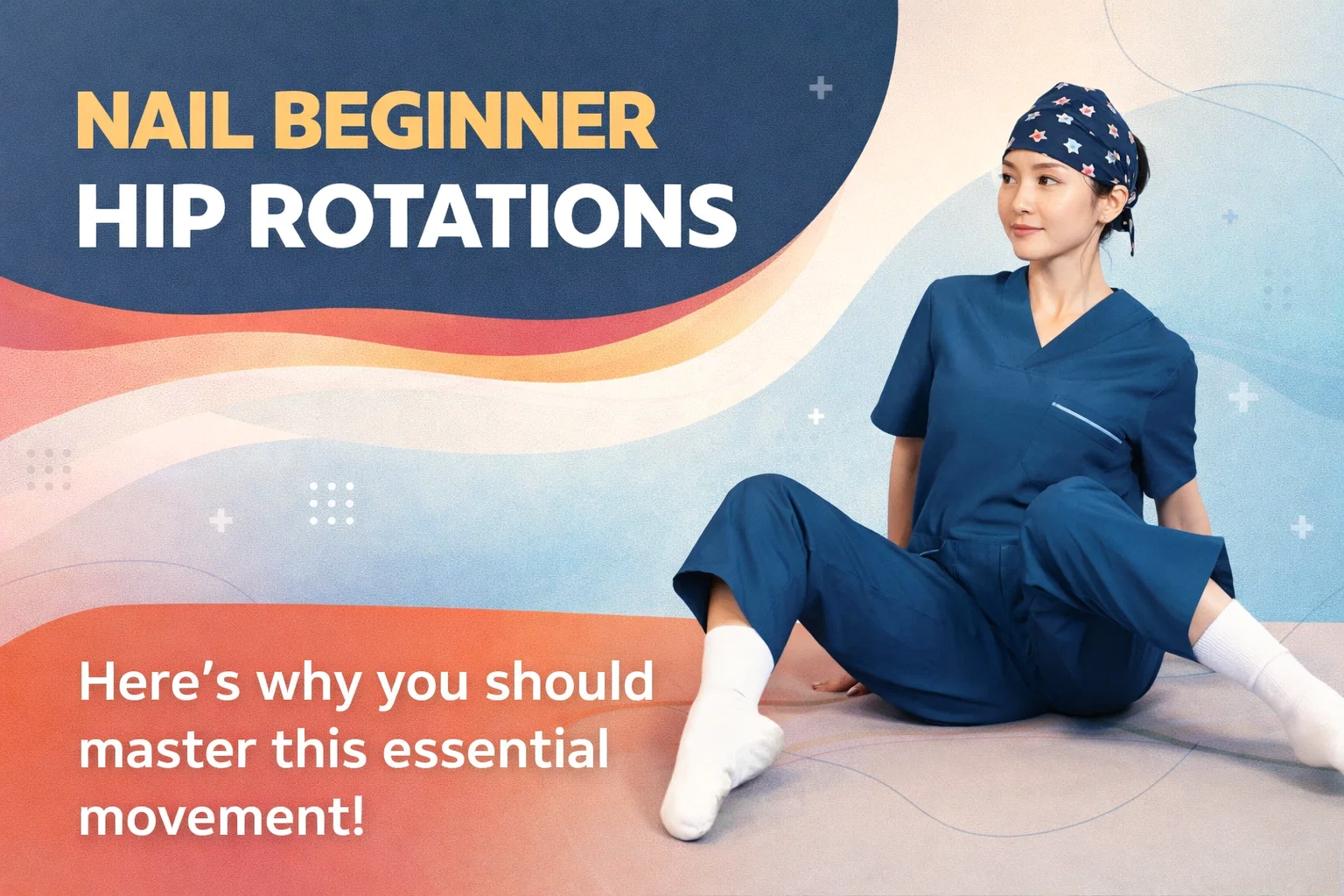
Unlock the secrets to fluid movement and a pain free body by focusing on one of the most overlooked areas of fitness: hip mobility. Many of us spend hours sitting at desks or in cars, which leads to tight, restricted hips that can cause lower back pain and reduced athletic performance. The image above captures a simple yet incredibly effective movement that anyone can do at home to reclaim their range of motion. By mastering basic hip rotations, you are not just stretching; you are lubricating the joints and teaching your nervous system to allow deeper, safer movement in every other activity you enjoy.
The Science of Hip Mobility and Why It Matters
The hip is a ball and socket joint, designed for a wide range of motion. Unlike the knee, which primarily moves back and forth, the hip should be able to rotate, abduct, and extend. When we lose this rotational capacity, our bodies compensate by overusing the lower back or the knees. This is why many people who complain of a sore back actually have a hip mobility issue. By performing seated rotations, like the one shown in the visual, you target the deep stabilizers of the hip and help restore the natural function of the joint.
Breaking Down the Seated Hip Rotation
The exercise featured in the image is often called a 90/90 stretch or a seated windshield wiper variation. It is a foundational movement in physical therapy and functional fitness. To perform this, you sit on the floor with your knees bent and feet wider than hip-width apart. As you rotate your knees from side to side, you are putting one hip into internal rotation and the other into external rotation simultaneously. This dual action is the gold standard for opening up the pelvic floor and the surrounding musculature.
Benefits of a Consistent Hip Rotation Practice
Consistency is the key to seeing real changes in your body. If you can commit to doing just 30 repetitions of this movement every day, you will start to notice a transformation in how you move. Here are some of the primary benefits you can expect:
- Reduced Lower Back Pain: When your hips move freely, your lumbar spine does not have to twist and turn to make up the difference.
- Improved Posture: Tight hip flexors often pull the pelvis into an anterior tilt. Rotational work helps neutralize the pelvis for a taller, more confident stance.
- Better Athletic Performance: Whether you run, lift weights, or play sports, your power comes from your hips. More mobility equals more explosive power and better efficiency.
- Injury Prevention: Most injuries in the lower extremities occur because of a lack of mobility. Staying limpy keeps your joints resilient.
How to Incorporate This into Your Daily Routine
The beauty of this workout is that it requires absolutely no equipment. You can do it in your living room while watching television, or even in your pajamas before you head to bed. If you are a beginner, start slowly. You do not need to force your knees to touch the floor immediately. Instead, focus on the sensation in the hip joint. Use your hands behind you for support if you find it difficult to sit upright. Over time, as your core strength and hip flexibility improve, you can try doing the rotations with your hands off the ground to add a layer of functional strength to the stretch.
Common Mistakes to Avoid
While this move looks simple, form is everything. One common mistake is rushing through the repetitions. To get the most benefit, move with intention and feel the “end range” of the motion. Another mistake is holding your breath. Deep, diaphragmatic breathing tells your brain that it is safe to relax the muscles, allowing for a deeper stretch. Finally, make sure your feet stay grounded. If your feet slide all over the place, you lose the leverage needed to rotate the femur inside the hip socket effectively.
Advanced Variations for Mobile Hips
Once you have nailed the 30 beginner hip rotations shown in the image, you might find yourself wanting more of a challenge. You can progress this movement by staying in the rotated position and leaning your torso forward over the lead leg. This adds a deep glute stretch to the mix. Alternatively, you can transition from the seated rotation into a kneeling position, which works on hip extension and glute activation. The possibilities are endless once you have built a solid foundation of mobility.
The Role of Recovery and Consistency
Stretching and mobility work should not be treated like a grueling workout. Think of it more as “body maintenance.” Just as you brush your teeth every day to prevent decay, you should move your hips every day to prevent stiffness. If you are feeling particularly tight, try doing a few sets throughout the day rather than one long session. This keeps the joints lubricated and prevents the “setting” effect that happens when we sit for hours at a time.
Why the 30 Repetition Goal is Perfect for Beginners
The number 30 is significant because it provides enough volume to actually warm up the joint tissue without being so high that it becomes a chore. It takes about 10 to 15 reps for the synovial fluid in the joint to really start flowing. By the time you reach 20, you will feel the muscles starting to let go of their protective tension. The final 10 reps are where the real “magic” happens, as you explore new ranges of motion that were closed off to you just minutes prior.
Creating a Dedicated Space for Mobility
While you can do these rotations anywhere, having a dedicated mat or a comfortable rug can make the experience more enjoyable. As seen in the image, a simple yoga mat provides the right amount of grip and cushioning. Setting up a small corner of your home for daily movement can serve as a visual reminder to prioritize your physical health. When you see your mat, you will remember that your 30 rotations are waiting for you.
Conclusion: Start Your Journey to Better Movement Today
The journey to a more mobile and capable body starts with a single movement. The seated hip rotation is a powerful tool because it is accessible, effective, and addresses a common point of failure in the human body. By following the example in the image and dedicating time to these 30 repetitions, you are investing in your future self. You will walk easier, sit more comfortably, and perform better in every aspect of your life. Do not wait for a back injury or chronic stiffness to force you into action. Take control of your mobility now, roll out your mat, and start rotating. Your hips will thank you for years to come.