30 Most Nutritious Foods in the World Top Superfoods for a Healthy Diet Checklist
Fueling your body with the right nutrients is one of the most transformative gifts you can give yourself. In a world full of processed snacks and confusing diet trends, returning to the basics of whole, nutrient-dense foods is the ultimate shortcut to better health. The list we are exploring today highlights thirty of the most powerful foods on the planet, each packed with vitamins, minerals, and antioxidants designed to help you thrive rather than just survive. Whether you are looking to boost your energy, improve your skin, or support your long-term wellness, these ingredients are the building blocks of a vibrant life.
The Power of Leafy Greens and Cruciferous Vegetables
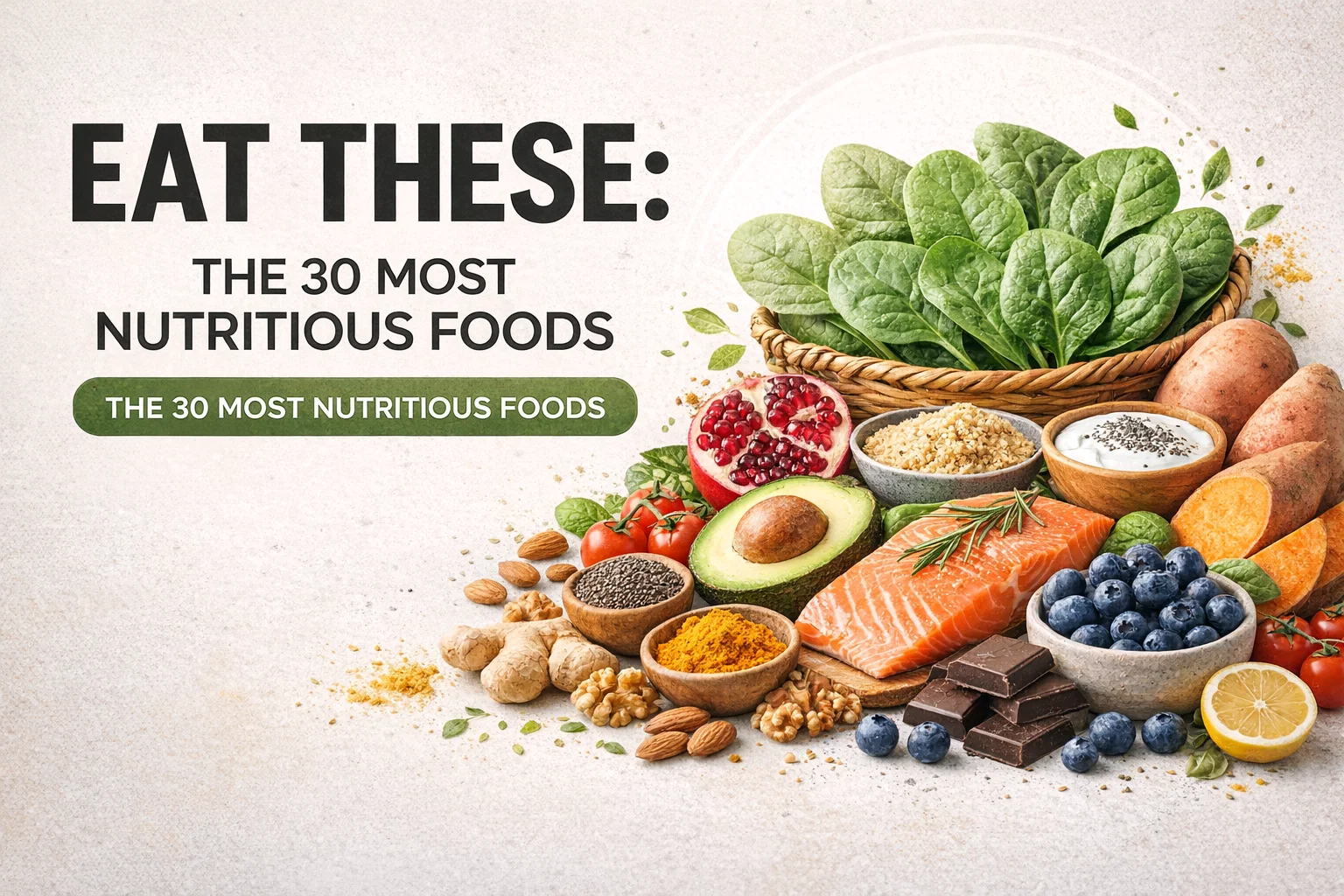
It is no coincidence that spinach and kale sit at the top of the most nutritious foods list. These leafy greens are often called superfoods because they provide an incredible amount of nutrition for very few calories. Spinach is famous for its high iron content, but it is also a fantastic source of vitamin K, which is essential for bone health. Kale, its close cousin, is loaded with vitamins A and C, providing a massive boost to your immune system and eye health.
Arugula and Broccoli: The Unsung Heroes
While spinach and kale get most of the spotlight, arugula and broccoli are equally important. Arugula adds a peppery kick to salads and provides a healthy dose of calcium and potassium. Broccoli, a member of the cruciferous family, contains sulforaphane, a compound that has been extensively studied for its ability to support the body’s natural detoxification processes. Including these greens in your daily routine ensures you are getting a wide spectrum of micronutrients that fight inflammation and keep your cells functioning at their peak.
Healthy Fats for Brain and Heart Health
For a long time, fat was unfairly vilified in the health world. Today, we know that healthy fats are crucial for brain function, hormone production, and nutrient absorption. Avocado is perhaps the most beloved source of healthy fats on this list. It is rich in monounsaturated oleic acid, the same heart-healthy fatty acid found in olive oil. Beyond its creamy texture, avocado is also surprisingly high in fiber, which helps keep you full and satisfied throughout the day.
Nuts and Seeds: Tiny Packages of Nutrition
Almonds and walnuts are nutritional powerhouses that make for the perfect portable snack. Walnuts are unique because they contain a high amount of alpha-linolenic acid, a type of omega-3 fatty acid that is vital for brain health. Almonds, on the other hand, are an excellent source of vitamin E, an antioxidant that protects your cells from oxidative stress. Chia seeds round out this category by providing a massive punch of fiber and omega-3s in every tiny spoonful. Adding these to your morning oatmeal or yogurt is an easy way to upgrade your breakfast.
Protein-Rich Superfoods: From Salmon to Lentils
Protein is the building block of muscle, skin, and enzymes. When we look at the most nutritious protein sources, salmon often leads the pack. It is famous for its high concentration of omega-3 fatty acids, which reduce inflammation and support cardiovascular health. If you prefer plant-based options, lentils and black beans are incredible alternatives. These legumes provide a dual benefit: they are high in protein and loaded with soluble fiber, which helps regulate blood sugar and supports a healthy gut microbiome.
The Versatility of Eggs and Greek Yogurt
Eggs are often referred to as nature’s multivitamin because they contain a little bit of almost every nutrient you need. They are especially rich in choline, a nutrient that is essential for brain development and memory. Greek yogurt is another fantastic protein source, offering double the protein of regular yogurt along with beneficial probiotics. These live cultures help maintain a healthy balance of bacteria in your digestive system, which is linked to everything from improved mood to a stronger immune system.
Nature’s Sweets: Berries and Fruits
If you have a sweet tooth, nature has provided the perfect solution in the form of blueberries, cherries, and pomegranates. Blueberries are frequently ranked as one of the best sources of antioxidants, specifically anthocyanins, which give them their deep blue color. These antioxidants help protect the brain from aging and improve coordination and memory. Cherries offer similar benefits, with the added bonus of containing melatonin, which can help improve sleep quality.
Exotic Nutrition: Kiwi and Pomegranate
Kiwi fruit is often overlooked, but it actually contains more vitamin C than an orange. This makes it a powerful ally during cold and flu season. Pomegranates are another heavy hitter, filled with punicalagins and punicic acid. These compounds have potent anti-inflammatory effects and may help lower blood pressure. Using these fruits as toppers for salads or smoothie bowls adds a burst of flavor and a massive nutritional upgrade to any meal.
Complex Carbohydrates for Sustained Energy
Not all carbs are created equal. Complex carbohydrates like quinoa and sweet potatoes provide the steady energy your body needs without the sugar crashes associated with refined grains. Quinoa is a rare plant source that is a complete protein, meaning it contains all nine essential amino acids. Sweet potatoes are a fantastic source of beta-carotene, which the body converts into vitamin E. This is essential for maintaining healthy skin and vision.
The Benefits of Ancient Grains
Incorporating ancient grains into your diet helps diversify your nutrient intake. Quinoa, for example, is high in magnesium, which many people are deficient in. Magnesium plays a role in over 300 biochemical reactions in the body, including muscle and nerve function. Choosing these whole food carbohydrate sources ensures that you are getting plenty of fiber, which aids in digestion and keeps you feeling energized for hours.
Shutterstock
The Magic of Spices and Aromatics
Nutrition isn’t just about the main course; the spices and aromatics we use to flavor our food carry significant health benefits. Turmeric, for instance, contains curcumin, a substance with powerful anti-inflammatory and antioxidant properties. Ginger is another staple that has been used for centuries to aid digestion and reduce nausea. Both of these roots can be easily added to teas, smoothies, or savory dishes to enhance both flavor and function.
Onion and Garlic: Flavor with a Purpose
Onions and garlic are more than just base flavors for your favorite recipes. They are rich in organosulfur compounds, which have been linked to heart health and immune support. Garlic, in particular, contains allicin, which is released when the clove is crushed or chopped. This compound has been shown to help combat the common cold and support healthy blood pressure levels. Never underestimate the power of these humble pantry staples.
Unique Superfoods: Oysters, Dark Chocolate, and Ginseng
Some of the items on the top 30 list might surprise you. Oysters, for example, are the single best food source of zinc, a mineral that is critical for immune function and wound healing. Dark chocolate, when consumed in moderation and with a high cocoa percentage, is loaded with flavonoids that improve blood flow to the heart and brain. It is proof that eating for health can also be delicious.
Kefir and Ginseng: Fermentation and Energy
Kefir is a fermented milk drink that is even more potent than yogurt when it comes to probiotics. It contains multiple strains of friendly bacteria and yeast, making it a powerhouse for gut health. Ginseng, a root often used in traditional medicine, is known for its ability to reduce stress and improve mental clarity. These unique additions to your diet provide specialized nutrients that support the body’s complex systems in ways that standard fruits and vegetables might not.
Building a Sustainable Healthy Eating Habit
Knowing which foods are the most nutritious is only half the battle; the real magic happens when you find ways to incorporate them into your life consistently. You do not need to eat all thirty of these foods every single day. Instead, aim for variety. Try a new green each week, swap your white rice for quinoa, or reach for a handful of walnuts instead of a bag of chips. Small, incremental changes are much more likely to stick than a total dietary overhaul.
Meal Planning with Superfoods
One of the best ways to ensure you are eating these nutrient-dense foods is to plan your meals around them. Start by picking a protein like salmon or lentils, add a large portion of leafy greens like spinach or arugula, and round it out with a complex carb like a sweet potato. Use ginger, turmeric, and onion to season your food, and finish with a few squares of dark chocolate or a bowl of cherries for dessert. This simple framework ensures you are hitting multiple categories from the top 30 list in every single meal.
Conclusion: Your Path to Vibrant Wellness
The journey to better health is paved with the choices you make at the grocery store and in your kitchen. By focusing on the world’s most nutritious foods, you are providing your body with the high-quality fuel it needs to function at its best. From the anti-inflammatory power of turmeric to the heart-healthy fats in salmon and avocado, these thirty foods offer a comprehensive toolkit for anyone looking to improve their physical and mental well-being.
Remember that nutrition is a marathon, not a sprint. Every time you choose a nutrient-dense food over a processed one, you are making a vote for your future health. Start small, be adventurous with new flavors, and enjoy the process of discovering how good your body can feel when it is truly nourished. Your health is your greatest wealth, and with these superfoods in your corner, you are well on your way to a more vibrant, energetic life.
Would you like me to create a specific meal plan or a shopping list based on these top thirty nutritious foods to help you get started?