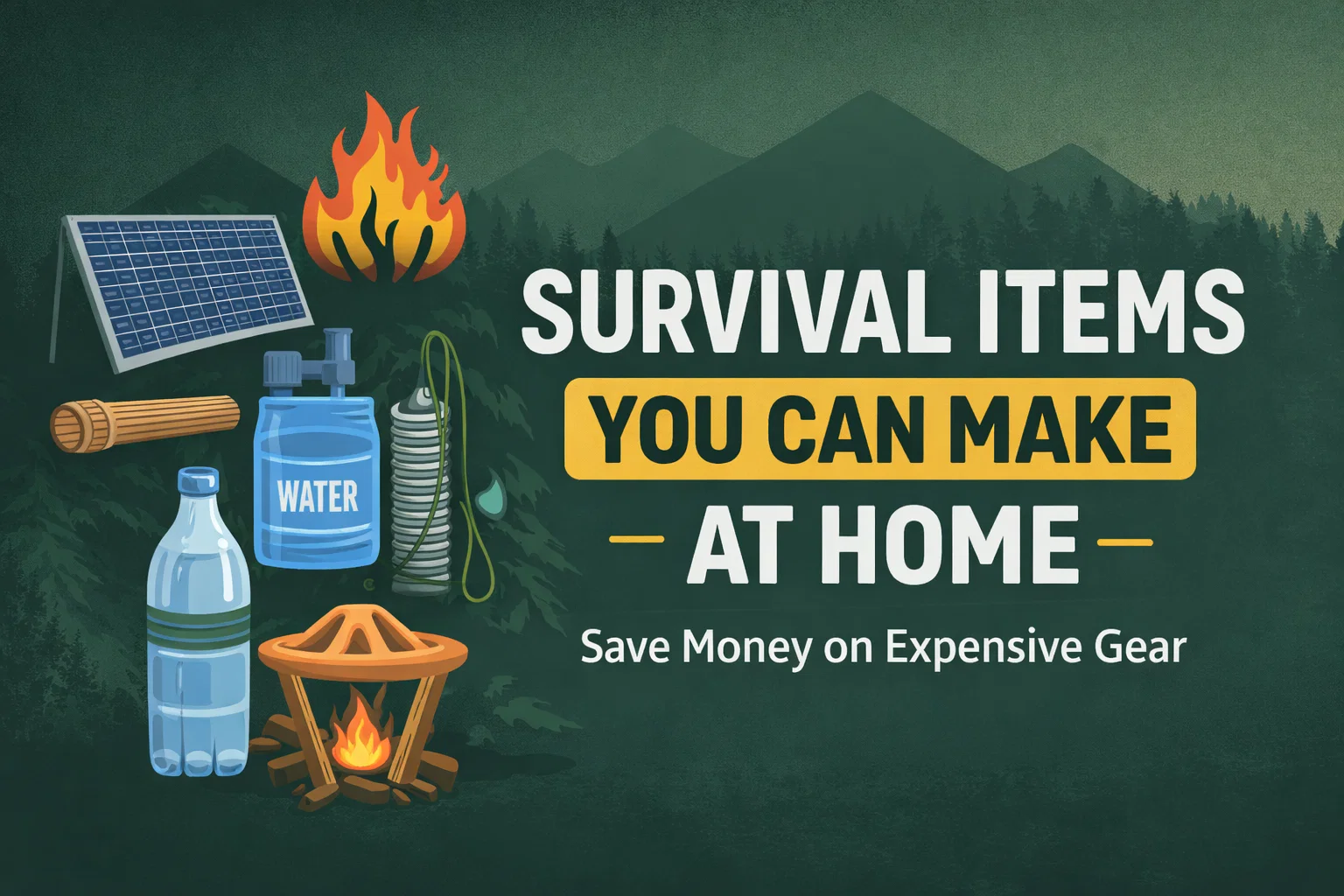
37 DIY Survival Items You Can Make at Home Homemade Survival Gear Prepping Ideas
Stepping into the world of preparedness often feels like walking into a high end boutique where every essential item carries a triple digit price tag. From tactical stoves to advanced water filtration systems, the cost of building a reliable survival kit can quickly become overwhelming. However, true self reliance has never been about how much money you can spend at a sporting goods store. It is about the skills you develop and the ability to turn everyday objects into life saving tools. The image of those 37 survival items serves as a powerful reminder that with a little bit of creativity and some basic materials, you can build a robust survival setup right from your own kitchen or garage.
Embracing a DIY approach to survival gear does more than just save you money. It builds a specific type of mental toughness and resourcefulness that no store bought gadget can provide. When you understand the mechanics of how a solar heater works or the chemistry behind a homemade water filter, you are no longer dependent on a supply chain. You become the manufacturer. This guide explores how you can transition from a consumer to a creator, ensuring that you and your family are ready for whatever challenges come your way without draining your savings account.
The Philosophy of DIY Survival Gear
Before diving into specific projects, it is important to understand why making your own gear is often superior to buying it. Commercial gear is frequently over engineered for the average user, designed to look sleek on a shelf rather than to be easily repaired in the field. When you build your own equipment, you know every screw, every knot, and every seal. If it breaks, you already have the knowledge required to fix it.
Furthermore, DIY survival projects allow for complete customization. You can scale a rocket stove to the exact size of your favorite cast iron skillet or build a solar array that fits perfectly on your specific balcony or shed roof. This level of personalization ensures that your gear works for your unique environment, whether you are in a dense urban apartment or a sprawling rural homestead.
Cost Effectiveness and Resourcefulness
The most obvious benefit is the financial savings. Many of the items featured in the visual guide can be constructed using recycled materials. An old tin can, some copper tubing, or even discarded bricks can be transformed into high functioning survival tools. By diverting these items from the landfill and into your emergency kit, you are practicing a form of tactical recycling that is both eco friendly and budget conscious.
Essential DIY Cooking and Heating Solutions
One of the first things people look for in a survival situation is a way to cook food and boil water. Commercial camping stoves are great, but they require specialized fuel canisters that can be hard to find during a crisis. DIY alternatives often use biomass or simple physics to provide consistent heat.
Building a High Efficiency Rocket Stove
A rocket stove is a marvel of simple engineering. By creating an L shaped combustion chamber, you allow for a concentrated flow of air that burns wood extremely efficiently. You can build a permanent version using bricks and clay, or a portable version using large juice cans or metal buckets. Because it burns so hot, you only need a handful of small twigs to bring a large pot of water to a rolling boil. This eliminates the need to stockpile propane or butane, as fuel is as close as the nearest tree branch.
The Magic of Solar Ovens
If you want to conserve your wood or fuel supplies, a solar oven is a must have. Using reflective surfaces like aluminum foil or mirrored glass, you can concentrate the sun’s rays into a central insulated box. While it takes longer than a traditional stove, a well built solar oven can reach temperatures high enough to bake bread or slow cook stews. It is a completely silent and fuel free way to manage your caloric needs during the daylight hours.
Water Filtration and Storage from Scratch
Water is the single most important element in any survival plan. While you can buy portable filters, having the ability to create a large scale filtration system at home is vital for long term sustainability. The image highlights the importance of water management, and DIY methods are surprisingly effective when done correctly.
Bio Sand Filters for Clean Drinking Water
A bio sand filter uses layers of gravel, coarse sand, and fine sand to remove impurities from water. The secret weapon in this setup is the biological layer that forms at the top, which helps neutralize harmful bacteria. By using a clean plastic 55 gallon drum or even a series of stacked buckets, you can create a system that filters gallons of water per hour. It is a low maintenance solution that can provide clean water for an entire household for years.
Rainwater Collection Systems
Why rely on the municipal grid when the sky provides water for free? Setting up a basic catchment system using your home’s gutters and a few storage barrels is a project that pays for itself immediately. By adding a simple “first flush” diverter, you ensure that the initial dirty runoff from your roof doesn’t enter your main storage tank, keeping your supply much cleaner from the start.
Handmade Tools and Lighting Options
When the lights go out, having a reliable source of illumination and basic hand tools becomes a priority. Making these items yourself ensures you have a backup for your battery powered flashlights and power tools.
Oil Lamps and Beeswax Candles
You can create long lasting emergency lighting using simple household fats or oils. A glass jar, some olive oil, and a cotton wick can provide hours of light. If you have access to beeswax, making hand dipped or molded candles is an excellent way to create a stable, non toxic light source that smells wonderful and burns cleanly. These are far more reliable than cheap paraffin candles that soot up your home.
Constructing Basic Shelter Tools
From weaving your own cordage using natural fibers to creating wooden mallets for camp tasks, the ability to manufacture tools is a cornerstone of survival. Even something as simple as a “Swedish Torch” provides a flat cooking surface and a concentrated heat source using nothing but a single log and a saw. Learning these techniques ensures that even if you lose your tactical backpack, you are never truly empty handed.
Gardening and Natural Medicine
True survival gear isn’t just about hardware; it is also about the “software” of nature. The image features flowers and plants, hinting at the massive role that gardening and herbalism play in long term self sufficiency. Investing time in a survival garden is like building a slow motion grocery store in your backyard.
The Apothecary in Your Backyard
Many common “weeds” like plantain, dandelion, and yarrow have incredible medicinal properties. By learning how to dry these herbs and turn them into salves or tinctures, you can manage minor wounds, digestive issues, and skin irritations without a pharmacy. This knowledge is a critical survival item that weighs nothing and can never be taken away from you.
Heirloom Seed Saving
A survival garden is only sustainable if you can grow it again next year. Learning the art of seed saving allows you to create a closed loop system. By selecting the strongest plants from your harvest and preserving their seeds, you are essentially “manufacturing” your own food supply for the future. This is the ultimate form of independence from the industrial food system.
Security and Awareness Devices
Keeping your home and perimeter secure is a major concern in any emergency. While high tech cameras are popular, they rely on electricity and internet connections. Simple mechanical solutions can often be just as effective at alerting you to movement around your property.
Perimeter Trip Alarms
Using high strength fishing line and simple noisemakers like bells or even “clacker” devices made from scrap metal, you can create a passive security system. These devices require no batteries and work 24/7 to give you an early warning of any visitors. They are easy to set up, easy to hide, and provide immense peace of mind during dark nights.
Conclusion: Building Your Path to Independence
The journey toward becoming truly prepared does not start at a checkout counter. It starts in your mind and continues with your hands. By looking at the 37 survival items you can make at home, you are choosing a path of empowerment. You are deciding that your safety and well being are not dependent on your bank account, but on your willingness to learn, adapt, and create.
Start small. Choose one project this weekend, perhaps a simple alcohol stove or a basic water filter. As you complete each project, you will feel your confidence grow. You will start to look at “trash” as potential treasure and see your home not just as a place to live, but as a fortress of resourcefulness. The transition from buying expensive gear to making your own is the ultimate survival hack. It secures your future while grounding you in the skills that have allowed humanity to thrive for thousands of years. So, gather your materials, fire up your creativity, and start building your way to a more secure and self reliant tomorrow.