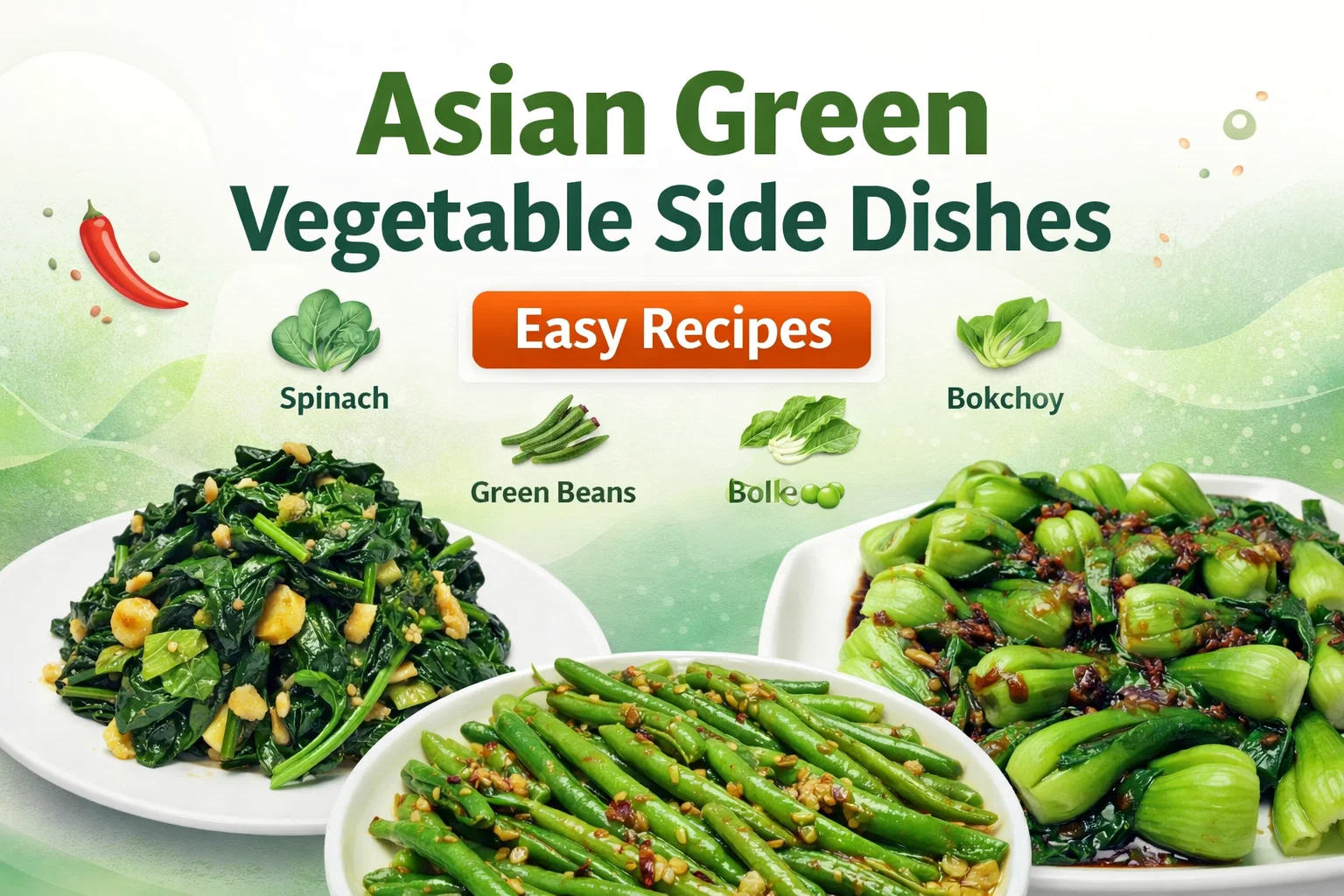
4 Easy Asian Green Vegetable Side Dishes Healthy Garlic Recipes
Bringing the vibrant flavors of East Asia into your home kitchen does not have to involve hours of prep work or a pantry full of obscure ingredients. Many of the most iconic vegetable side dishes found in Chinese and Korean cuisine rely on a handful of staples: garlic, ginger, soy sauce, and sesame oil. These ingredients work together to transform humble greens into the star of the plate. Whether you are looking to recreate the crisp, garlicky green beans from your favorite takeout spot or a silky bok choy in a savory oyster sauce, mastering these four classic recipes will change the way you look at side dishes forever.
The Art of the Asian Side Dish
In many Asian cultures, meals are served family-style with a variety of small plates known as banchan in Korea or simply as vegetable sides in Chinese dining. The goal is balance. If the main course is a heavy braised meat or a spicy stew, the vegetable sides provide a refreshing, crunchy, or savory contrast that cleanses the palate. These dishes are designed to be quick, often requiring less than ten minutes of actual cooking time to ensure the vegetables retain their bright color and nutritional value.
Why These Recipes Work
The beauty of the recipes featured in our guide—Korean Spinach, Bok Choy in Garlic Sauce, Chinese Garlic Green Beans, and Chinese Broccoli—lies in their simplicity. They use high heat and aromatic bases to build layers of flavor. By understanding a few basic techniques like blanching and quick sautéing, you can apply these flavors to almost any vegetable in your refrigerator. These dishes are naturally low in calories but high in fiber and essential vitamins, making them a perfect addition to a healthy lifestyle.
Korean Spinach Side Dish (Sigeumchi Namul)
If you have ever enjoyed a bowl of Bibimbap, you have tasted this classic Korean side dish. Sigeumchi Namul is a staple of Korean home cooking. Unlike many Western spinach preparations that result in a soggy texture, this method involves a very quick blanch followed by an ice bath to keep the leaves tender yet firm.
Ingredients for Korean Spinach
- 1 bunch fresh spinach
- 1 tsp salt (for blanching water)
- 2 cloves garlic, finely minced
- 1 green onion, finely chopped
- 2 tsp soy sauce
- 1 tsp sesame oil
- 1 tsp toasted sesame seeds
- Pinch of salt (if needed)
Step by Step Preparation
Start by bringing a large pot of water to a boil and adding the blanching salt. Drop the spinach in for no more than 30 to 45 seconds. Immediately drain it and plunge it into a bowl of ice water. This stops the cooking process and locks in that beautiful emerald green color. Once cooled, squeeze the spinach firmly with your hands to remove as much water as possible. This step is crucial; if the spinach is too wet, the seasoning will be diluted. Toss the spinach with the garlic, green onion, soy sauce, sesame oil, and sesame seeds. Serve it at room temperature for the best flavor profile.
Bok Choy in Garlic Sauce
Bok choy is a member of the cabbage family and is prized for its crunchy white stems and tender green leaves. When paired with a thick, glossy garlic sauce, it becomes an addictive side dish that pairs perfectly with steamed white rice or grilled fish. Using baby bok choy is often preferred as they are more tender and can be cooked whole or halved.
The Secret to a Glossy Sauce
The key to that restaurant-style finish is the use of a cornstarch slurry. By mixing cornstarch with a bit of water before adding it to the pan, you create a sauce that coats the vegetables beautifully without becoming lumpy. The addition of oyster sauce adds a deep umami richness, while a pinch of red pepper flakes provides a very subtle heat that wakes up the dish.
Bok Choy Ingredients
- 1 lb baby bok choy
- 2 tbsp vegetable oil
- 6 cloves garlic, minced (be generous here!)
- 2 tbsp soy sauce
- 1 tbsp oyster sauce
- 1 tsp sugar
- Pinch of red pepper flakes
- 1 tsp cornstarch mixed with 1/4 cup water
- 1 tsp sesame oil
Heat your oil in a wok or large skillet over medium-high heat. Sauté the garlic and red pepper flakes until fragrant, but be careful not to burn the garlic. Add the bok choy and toss frequently. Once the leaves begin to wilt, pour in the soy sauce, oyster sauce, and sugar. Finally, stir in your cornstarch slurry and cook for another minute until the sauce thickens and turns clear. Finish with a drizzle of sesame oil for that signature aroma.
Chinese Garlic Green Beans
These are not your typical holiday casserole green beans. Chinese-style garlic green beans are characterized by a slightly wrinkled exterior and a satisfying snap. This texture is achieved by “dry frying” or sautéing them in a small amount of oil over high heat until they are blistered and tender-crisp.
Mastering the High Heat Sauté
To get the best results, ensure your green beans are completely dry after washing them. Water in the pan will cause them to steam rather than sear. You want to see small charred spots on the skin of the beans. This adds a smoky depth that balances the sweetness of the sugar and the saltiness of the soy sauce.
Green Bean Recipe Breakdown
- 1 lb green beans, trimmed
- 2 to 3 tbsp vegetable oil
- 5 cloves garlic, minced
- 1 tbsp soy sauce
- 1 tbsp oyster sauce
- 1 tsp sugar
- 1 tsp sesame oil
- Salt and pepper to taste
Heat the oil until it is shimmering. Add the green beans and cook, stirring occasionally, for about 5 to 7 minutes. Once they look blistered, add the garlic and cook for 30 seconds. Pour in the soy sauce, oyster sauce, and sugar. Toss everything together until the beans are well coated and the sauce has slightly caramelized. This dish is best served piping hot right out of the pan.
Chinese Broccoli in Garlic Oyster Sauce (Gai Lan)
Chinese broccoli, also known as Gai Lan, has long, thick stems and flat leaves. It has a slightly more bitter flavor profile than standard broccoli, which makes it an excellent candidate for savory and sweet sauces. It is a common sight at Dim Sum restaurants, usually served as a refreshing break between dumplings.
Preparing Gai Lan
Because the stems of Chinese broccoli are quite thick, they take longer to cook than the leaves. A common trick is to peel the bottom inch of the stems if they seem particularly woody. You can also slice the stems lengthwise to ensure they cook at the same rate as the foliage.
Ingredients for Chinese Broccoli
- 1 bunch Chinese broccoli (Gai Lan)
- 1 tbsp oil
- 2 tbsp garlic, minced
- 1 tsp ginger, minced
- 3 tbsp oyster sauce
- 1 tsp sugar
- 1/2 tsp sesame oil
- 1 tbsp Chinese cooking wine (Shaoxing wine)
- 6 tbsp water
For this dish, we recommend a hybrid cooking method. Sauté the garlic and ginger in oil, then add the Chinese cooking wine and water to create a steaming liquid. Add the Gai Lan and cover the pan for two minutes. Once the stems are tender, stir in the oyster sauce, sugar, and sesame oil. The result is a savory, silky sauce that highlights the natural crunch of the vegetable.
Health Benefits of Green Vegetables
Beyond the incredible flavors, adding these dishes to your rotation provides massive health benefits. Spinach is a powerhouse of iron and Vitamin K. Bok choy is loaded with calcium and antioxidants that support bone health. Green beans are a great source of Vitamin C and silicon, which is essential for healthy skin and hair. By preparing them with healthy fats like sesame oil and aromatics like garlic, you are creating a nutrient-dense meal that supports your body from the inside out.
Why Garlic is the Secret Weapon
Garlic is not just there for the taste. It contains allicin, a compound known for its anti-inflammatory and immune-boosting properties. Most of these recipes call for multiple cloves of garlic, which helps reduce the need for excessive salt while providing a punchy flavor that makes healthy eating feel like a treat rather than a chore.
Tips for Success with Asian Cooking
If you are new to this style of cooking, keep these tips in mind to ensure your vegetables turn out perfectly every time:
- Prep Everything in Advance: Asian cooking moves fast. Have your sauces mixed and your vegetables chopped before you ever turn on the stove.
- Use a High Smoke Point Oil: Vegetable, canola, or grapeseed oil are better for high-heat sautéing than olive oil.
- Freshness Matters: Look for greens that are firm and vibrant. Avoid any leaves that are yellowing or wilting.
- Don’t Overcook: The goal is “tender-crisp.” You want the vegetable to be cooked through but still have a bit of a bite.
Wrapping Up Your Culinary Journey
Incorporating these four Asian green vegetable side dishes into your weekly meal plan is an easy way to level up your cooking game. They are fast, affordable, and incredibly versatile. Whether you are hosting a dinner party and want to impress your guests with a variety of colorful sides or simply looking for a way to make your Tuesday night dinner more exciting, these recipes are the answer. Take these techniques, experiment with the flavors, and enjoy the process of bringing these classic Asian staples to your own dining table. Happy cooking! Save these ideas for your next grocery trip and get ready to enjoy greens like never before.