40 Easy Ways to Save Money at Home Home Maintenance Tips to Lower Utility Bills Expenses
Have you ever felt like your bank account has a slow, invisible leak? You work hard, you stick to a budget, and you try to be responsible, yet somehow the numbers at the end of the month never quite add up to what you expected. The truth is that for most of us, the biggest drain on our finances isn’t the occasional splurge on a fancy dinner or a new pair of shoes. Instead, it is the silent, creeping costs hidden within the four walls of our own homes. From the way we boil our tea to the dust gathering behind the refrigerator, our living spaces are often riddled with tiny inefficiencies that combine to cost hundreds, if not thousands, of dollars every single year.
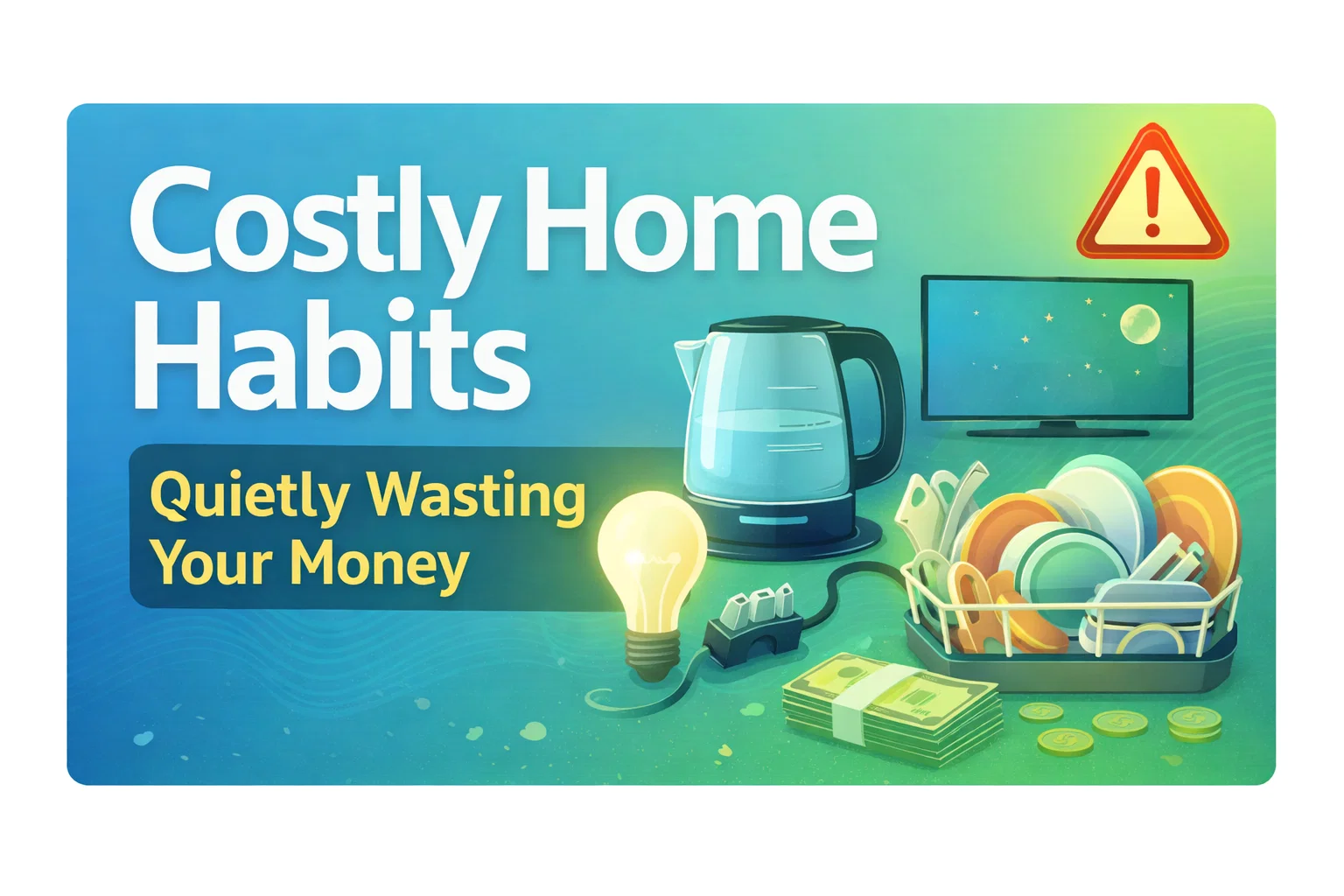
The image we are looking at today is a wake-up call for every homeowner and renter alike. It lists 40 specific things in your home that are quietly siphoning away your hard-earned cash. These are not just minor inconveniences; they are actionable opportunities to take back control of your household economy. In this deep dive, we are going to explore how these “quiet” costs work, why they happen, and exactly what you can do to stop the bleed. Let’s turn your home from a money pit into a model of efficiency.
The High Cost of Energy Vampires and Standby Modes
One of the most common ways we lose money is through what experts call phantom loads or energy vampires. This refers to appliances that continue to draw power even when they are turned off or in standby mode. We often assume that pushing the power button means the electricity stops flowing, but for modern electronics, that is rarely the case. Your television, gaming consoles, and even your microwave are constantly waiting for a signal to wake up, and that “waiting” requires a steady stream of wattage.
While a single device on standby might only cost a few cents a day, the average modern home has dozens of these devices. Over the course of a year, this can add a significant amount to your electricity bill. The solution is simple but requires a bit of habit-shifting. Using smart power strips that cut power entirely when devices aren’t in use, or simply getting into the habit of unplugging non-essential items, can provide immediate savings. It is about being intentional with how we consume power rather than leaving it on autopilot.
Lighting and Empty Rooms
It sounds like something our parents used to nag us about, but leaving lights on in empty rooms is still a major contributor to high utility bills. Even with the advent of more efficient bulbs, the cumulative effect of lighting a home that nobody is currently using is pure waste. This habit often stems from a lack of awareness as we move from room to room. By installing motion sensors in hallways or bathrooms, or simply making a “last look” sweep before leaving the house, you can keep those costs in check.
Kitchen Inefficiencies: Where Small Habits Add Up
The kitchen is arguably the heart of the home, but it is also the headquarters of domestic waste if we aren’t careful. Think about your electric kettle. Most of us fill it to the brim even if we only need a single cup of tea. Heating that extra liter of water requires more energy and more time, every single time you use it. If you drink three cups of tea a day, you are effectively paying to boil hundreds of gallons of water that you never actually use.
Then there is the refrigerator, which is likely the most power-hungry appliance in your kitchen because it runs 24/7. When was the last time you vacuumed the coils at the back or bottom of your fridge? When these coils get covered in dust and pet hair, the fridge has to work twice as hard to dissipate heat, leading to higher energy consumption and a shorter lifespan for the appliance itself. Similarly, worn-out door seals allow cold air to escape, forcing the compressor to run more frequently. A simple test with a dollar bill (if it slides out easily when the door is closed, the seal is bad) can save you a fortune in the long run.
The Dishwasher and Washing Machine Dilemma
Running half-empty loads in your dishwasher or washing machine is essentially throwing money down the drain. These machines use a similar amount of water and energy regardless of how full they are. By waiting until you have a full load, you reduce the total number of cycles per week, which lowers your water bill, saves electricity, and extends the life of the machinery. Additionally, using too much detergent is a common mistake that causes these machines to work harder to rinse away excess suds, leading to “sud-locks” and mechanical strain.
Maintenance Tasks That Save Your Future Self
Preventative maintenance is the ultimate secret weapon for a healthy bank account. Many of the items on our list, such as bleeding radiators or cleaning extractor fan filters, seem like minor chores that can be put off until next weekend. However, these small tasks are what keep your home’s vital systems running at peak performance. For example, air trapped in your radiators prevents them from heating up properly, meaning your boiler has to run longer to reach the desired temperature.
Ignoring minor plumbing drips or small leaks is another recipe for financial disaster. A dripping tap might not seem like much, but it can waste thousands of gallons of water over a year. More importantly, small leaks behind walls or under sinks can lead to mold growth and structural rot, turning a 10 dollar fix into a 10,000 dollar renovation project. Taking thirty minutes once a month to inspect your pipes and seals is one of the highest-return investments you can make in your home.
The Hidden Impact of Limescale and Clogs
If you live in a hard water area, limescale is a silent enemy. It builds up on heating elements in kettles, dishwashers, and water heaters, acting as an insulator that makes it harder for the heat to reach the water. This inefficiency forces the appliance to stay on longer. Regularly descaling your appliances and clearing out clogged showerheads ensures that water flows freely and heats quickly, keeping your costs down and your morning shower much more pleasant.
Temperature Control and Insulation
Heating and cooling are typically the largest expenses for any household. Drafts around doors and windows act like small holes in your wallet, letting expensive heated or cooled air leak straight outside. Weatherstripping and door snakes are incredibly cheap solutions that provide an almost instant return on investment. If your home has poor loft insulation, you are essentially trying to heat the great outdoors, as heat naturally rises and escapes through the roof.
The Importance of Airflow
Blocked air vents and dirty radiator panels are often overlooked. When furniture is placed directly in front of a vent or a radiator, the heat cannot circulate through the room effectively. This leads to “cold spots,” causing people to turn up the thermostat even higher. By ensuring that your vents are clear and your radiators are clean of dust, you allow the physics of convection to work in your favor, keeping you warmer for less money.
The Psychological and Organizational Costs
Not all home costs are related to energy or water. Some are purely organizational. Buying duplicates because you can’t find things is a classic symptom of a cluttered home. How many times have you bought a new bottle of glass cleaner or a specific tool only to find the original buried in the back of a cupboard a week later? Keeping a tidy, organized home allows you to see exactly what you have, preventing unnecessary spending.
Furthermore, failing to track household subscriptions or compare utility tariffs can cost you hundreds. Markets change, and “loyalty” to a utility provider often results in paying a higher rate than new customers. Taking one hour every six months to audit your subscriptions and shop around for better insurance or energy rates is like giving yourself a tax-free raise.
Quality Over Quantity
The habit of replacing cheap items repeatedly is a trap known as the “Boots Theory” of socioeconomic unfairness. While a cheap toaster might save you money today, if you have to replace it every year, it becomes far more expensive than a high-quality model that lasts a decade. Whenever possible, investing in durable, repairable items—and performing the deep cleans that extend their life—will keep more money in your pocket over the long haul.
A Checklist for Immediate Action
To help you get started, here is a quick breakdown of high-priority areas you can address this weekend to start seeing a difference in your monthly outgoings.
- Check the Seals: Inspect your fridge, oven, and external doors for drafts or loose gaskets.
- Clear the Path: Move furniture away from heaters and vacuum the vents and fridge coils.
- Light the Way: Replace any remaining incandescent bulbs with LEDs.
- Bleed the System: If your radiators have cold spots at the top, use a radiator key to let the trapped air out.
- Audit Your Spending: Cancel that streaming service you haven’t watched in three months and check if your energy contract is still competitive.
Conclusion: Small Steps Lead to Big Savings
Managing a home is a marathon, not a sprint. It is easy to look at a list of 40 items and feel overwhelmed, but the key is to remember that you don’t have to fix everything this afternoon. Saving money in the home is about building a culture of awareness. It is about noticing the dripping tap, understanding why the fridge is humming so loudly, and realizing that your habits have a direct impact on your financial freedom.
By addressing these “quiet” costs, you aren’t just saving a few dollars on a utility bill; you are becoming a more mindful and intentional homeowner. You are protecting your property, reducing your environmental footprint, and ensuring that your hard-earned money stays where it belongs—in your pocket. Start with two or three items from this list today, and before you know it, those silent leaks will be plugged for good. Your future self will certainly thank you for the effort!
Would you like me to create a printable maintenance checklist based on these 40 items so you can track your progress as you go?