5 Ancient Chinese Exercises for Total Body Wellness and Longevity
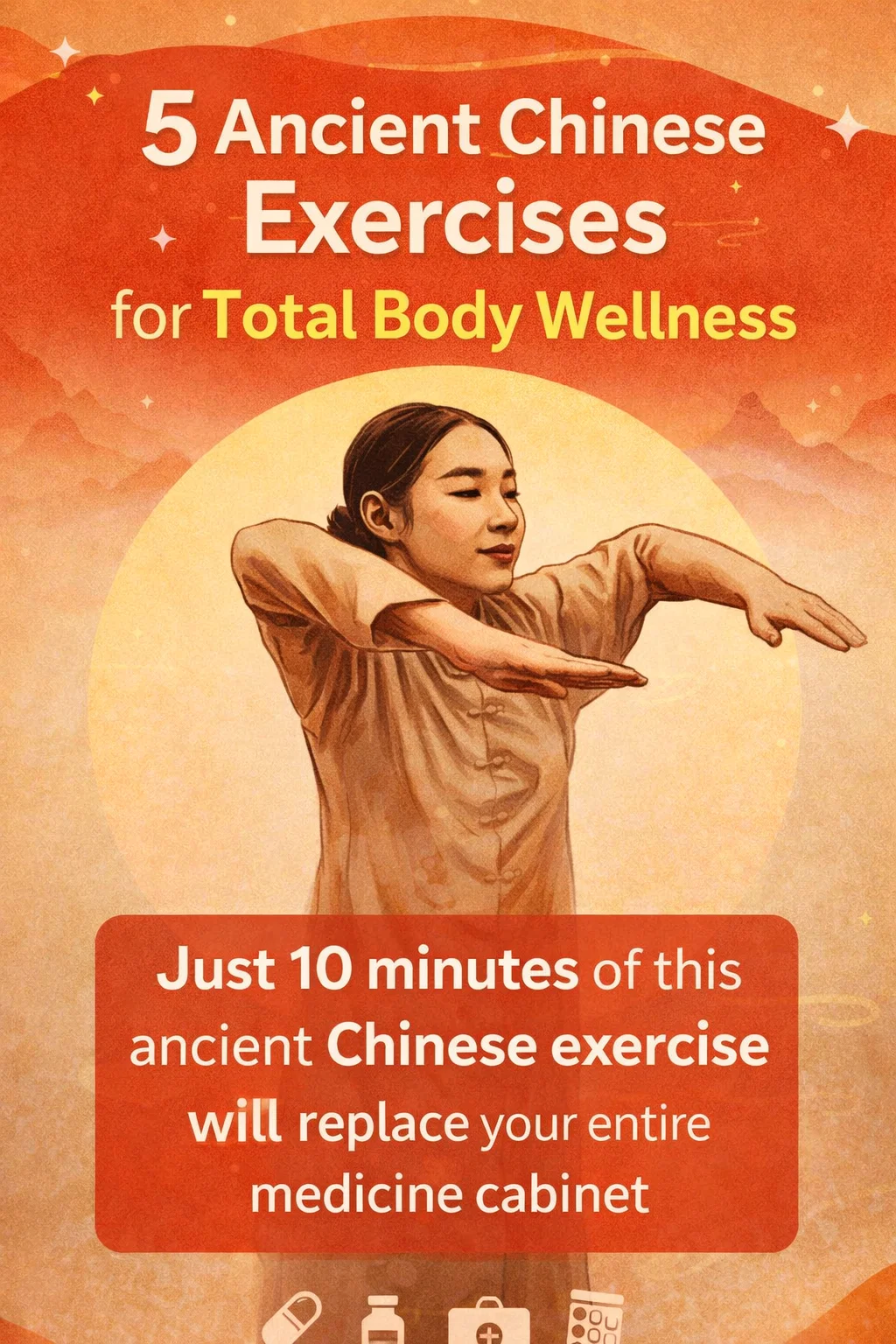
Ancient wisdom often holds the keys to modern health challenges that many of us face today. In a world where we are constantly surrounded by high tech solutions and pharmaceutical interventions, there is a profound power in returning to the basics of movement and energy flow. The image of the traditional Chinese practitioner performing fluid, intentional movements is a reminder that our bodies possess an incredible innate ability to heal and maintain themselves when given the right tools. These five ancient Chinese exercises are not just physical movements; they are a holistic approach to total body wellness that has stood the test of time for thousands of years.
The Philosophy of Qi and Movement
To understand why these exercises are so effective, we must first look at the concept of Qi. In traditional Chinese medicine, Qi is the vital life force that flows through pathways in the body known as meridians. When this flow is obstructed by stress, poor posture, or lack of movement, we experience fatigue and illness. The exercises depicted in ancient scrolls and modern practice are designed specifically to clear these blockages and ensure that energy reaches every organ and limb.
Unlike high intensity interval training or heavy weightlifting, these movements focus on the synchronization of breath, mind, and body. They are low impact yet deeply transformative. By dedicating just ten minutes a day to these practices, you are essentially performing a daily maintenance check on your internal systems, ensuring that your nervous system remains calm and your circulatory system remains efficient.
The First Exercise: Reaching for the Heavens
The first movement in this ancient quintet focuses on spinal alignment and respiratory health. Often referred to in Qi Gong as supporting the sky, this exercise involves interlacing the fingers and pushing the palms upward while inhaling deeply. As you stretch toward the ceiling, you are opening up the thoracic cavity and allowing your lungs to expand to their full capacity. This simple action helps to counteract the slumped posture many of us adopt while sitting at desks or looking at smartphones.
Physical and Mental Benefits
Physically, this movement stretches the muscles between the ribs and aligns the vertebrae. Mentally, the act of reaching upward while grounding the feet creates a sense of stability and expansion. It signals to the brain that the body is safe and open, reducing the production of cortisol and promoting a state of relaxed alertness.
The Second Exercise: Drawing the Bow
The second exercise is a powerful movement that targets the heart and lungs while strengthening the lower body. By stepping into a wide stance and mimicking the action of an archer drawing a bow, you engage the large muscle groups of the legs while opening the chest. This lateral movement is essential for hip mobility and serves to stimulate the meridians that run through the arms and torso.
Focusing the Mind
This exercise is as much about mental focus as it is about physical strength. As you peer over your extended hand, you are practicing internal aim and intention. In ancient times, this was thought to sharpen the eyesight and clear the mind of distractions. It is a perfect remedy for those feeling scattered or overwhelmed by their daily responsibilities.
The Third Exercise: Rotating the View
The third movement focuses on the neck and the digestive system. By slowly turning the head to look backward over each shoulder, you release tension in the cervical spine. In Chinese medicine, looking back is also symbolic of releasing past stressors and letting go of emotional baggage that may be manifesting as physical tightness in the shoulders.
Stimulating Internal Organs
As the neck turns, a gentle twist is also felt in the upper torso. This subtle twisting action massages the internal organs, particularly the liver and spleen. This helps to improve digestion and detoxification. Many practitioners find that this specific movement helps to alleviate chronic headaches that stem from neck tension and poor circulation to the brain.
The Fourth Exercise: Touching the Toes for Kidney Health
This fourth movement involves a slow, controlled forward fold. Unlike a standard hamstring stretch, the focus here is on the lower back and the kidneys. The kidneys are considered the reservoir of vital energy in traditional Chinese philosophy. By stretching the posterior chain and gently compressing the abdominal area, you encourage blood flow to these vital organs.
It is important to perform this movement with soft knees and a relaxed spine. The goal is not to force the body into a shape, but to allow gravity to assist in the release of the lower back. This exercise is highly effective for reducing lower back pain and improving the flexibility of the entire spinal column.
The Fifth Exercise: Shaking the Body for Total Release
The final exercise is perhaps the most unique. It involves a gentle bouncing or shaking of the entire body, starting from the heels and moving up through the knees, hips, and shoulders. This vibration helps to loosen the fascia, the connective tissue that surrounds our muscles. In the animal kingdom, animals often shake after a stressful event to reset their nervous systems, and humans can benefit from this same biological mechanism.
Regulating the Nervous System
Shaking for just two minutes can help to move stagnant lymph fluid and trigger the parasympathetic nervous system. It is an incredible way to end a session because it integrates the work done in the previous four exercises and leaves the practitioner feeling vibrant and refreshed. It literally shakes off the stress of the day.
Why Ten Minutes is Enough
One of the most common barriers to health is the belief that we need hours of gym time to see results. The beauty of these five ancient Chinese exercises lies in their efficiency. Because they work on the level of the nervous system and the energetic body, they do not require hours of exertion. A consistent ten minute daily practice is far more beneficial than a two hour workout once a week. This consistency creates a cumulative effect, where the body begins to stay in a state of balance even when you are not exercising.
The Modern Medicine Cabinet
The bold claim that these exercises can replace a medicine cabinet is a testament to the power of preventative care. While modern medicine is essential for acute issues, these exercises act as a proactive shield. By maintaining low inflammation, high circulation, and a balanced nervous system, you reduce the likelihood of needing over the counter remedies for common ailments like tension headaches, digestive upset, and chronic fatigue. You are essentially becoming your own primary care provider through the art of movement.
Creating a Sacred Space for Practice
To get the most out of these exercises, it helps to create a small routine around them. Find a quiet corner of your home or a spot in nature where you can stand comfortably. Wear loose clothing that does not restrict your breathing. You do not need any special equipment, not even a mat. The only requirement is your presence and your breath. By treating these ten minutes as a sacred appointment with yourself, you enhance the psychological benefits of the practice.
Tips for Beginners
- Breathe Naturally: Do not hold your breath; let it flow in and out through your nose in a rhythmic pattern.
- Be Patient: You may not feel a surge of energy on day one. Give your body time to respond to the new stimuli.
- Consistency is Key: Try to do these at the same time every day, such as right after waking up or before dinner.
- Softness Over Strength: Avoid locking your joints. Keep your knees and elbows slightly bent to allow energy to flow.
The Long Term Impact of Ancient Movement
As you progress with these exercises, you will likely notice subtle changes in your daily life. You might find that you react more calmly to traffic, or that your sleep quality improves. Your joints may feel less stiff in the morning, and your overall mood may become more stable. These are the signs that your Qi is flowing freely and that your body is returning to its natural state of equilibrium.
The wisdom of the past is not meant to be left in history books; it is meant to be lived. By incorporating these five movements into your modern lifestyle, you are bridging the gap between ancient intuition and contemporary needs. You are honoring the vessel that carries you through life and ensuring that it remains strong, flexible, and resilient for years to come.
A Path to Longevity
Longevity is not just about living a long time; it is about living well during those years. The goal of these traditional practices is to ensure that we maintain our mobility and mental clarity as we age. By taking care of the small things today, like the health of our spine and the flow of our breath, we are investing in a future where we can remain active and independent. This is the true gift of Chinese health traditions.
Conclusion: Your Journey to Wellness Starts Now
Embracing these five ancient Chinese exercises offers a simple yet profound pathway to better health. In a society that often prioritizes speed and intensity, choosing a path of gentle, intentional movement is a radical act of self care. You do not need a gym membership, expensive gear, or hours of free time to transform your well being. All you need is the willingness to stand up, breathe, and move your body with purpose. Start today with just ten minutes, and watch as your internal medicine cabinet begins to fill with vitality, peace, and strength. Your body will thank you for this return to balance, and your mind will find the clarity it has been searching for.