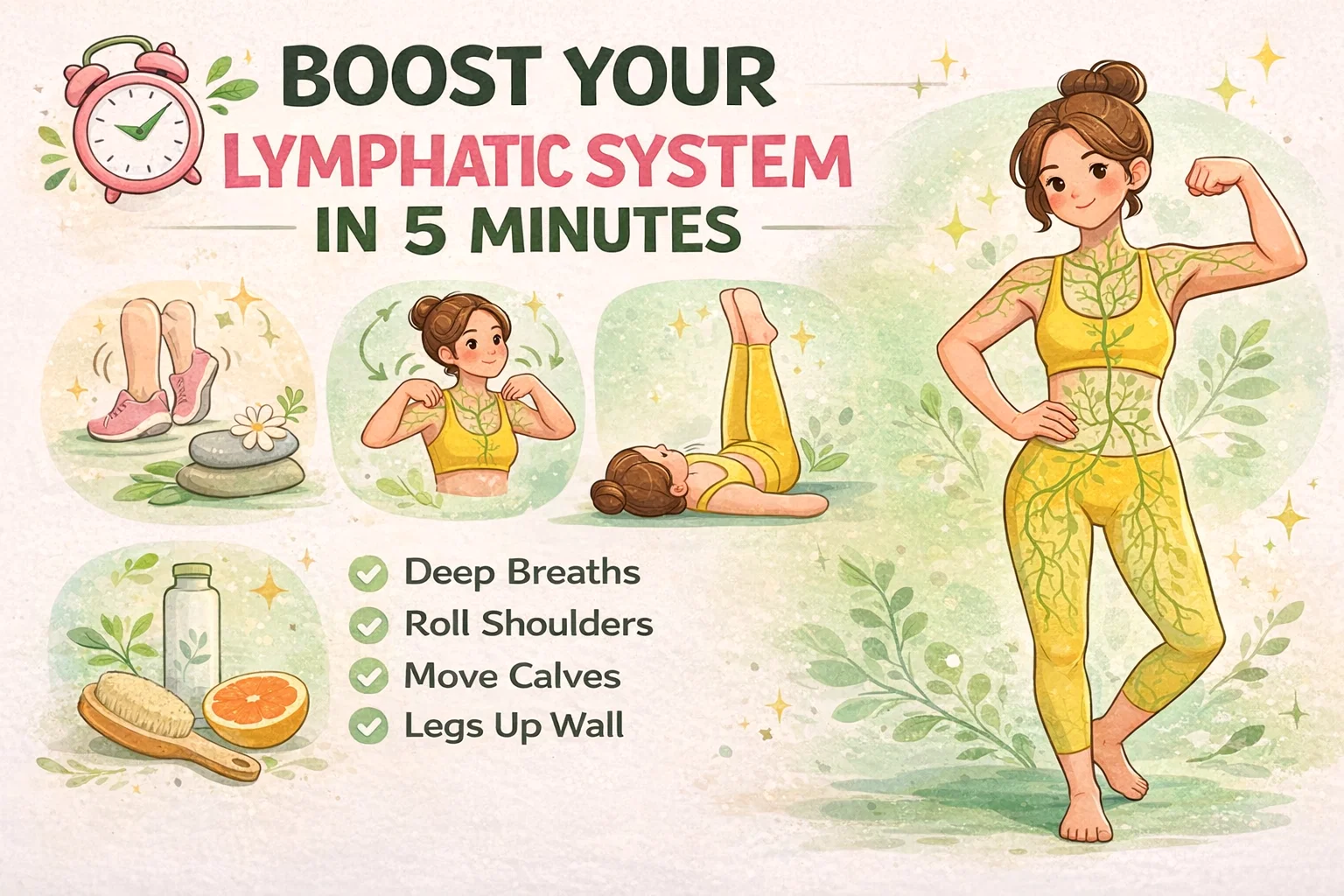
5-Minute Lymphatic Drainage Routine Simple Exercises for Better Health
If you have ever felt sluggish, bloated, or just generally weighed down by the demands of a busy lifestyle, you are not alone. Many of us overlook one of the most critical systems in our bodies: the lymphatic system. Unlike the circulatory system, which has the heart to pump blood, the lymphatic system relies entirely on our movement, breathing, and muscle contractions to keep fluids flowing properly. When that flow stagnates, we can feel heavy and lethargic. The good news is that you do not need an hour at the gym or expensive equipment to get things moving again. You can support your lymphatic health in just five minutes a day with a few simple, intentional practices.
Understanding the Role of Your Lymphatic System
Think of your lymphatic system as the body’s internal waste management and detoxification network. It works tirelessly to remove toxins, waste, and excess fluid from your tissues, playing a vital role in supporting your immune system. Because this system is so reliant on external stimulation, it is incredibly easy for it to become sluggish if you spend most of your day sitting at a desk or living a sedentary lifestyle.
When you take small, deliberate actions throughout the day, you act as the pump for your own lymphatic fluid. These simple routines are not just about feeling better in the moment; they are about cultivating long-term vitality. By prioritizing these quick movements, you are helping your body perform its natural cleansing processes more efficiently.
The Power of Deep Belly Breathing
It sounds almost too simple to be effective, but deep belly breathing is arguably the most important tool you have. When you take a deep, diaphragmatic breath, you create a pressure change in your chest and abdomen. This movement acts like a vacuum, pulling lymphatic fluid back into the bloodstream to be processed and filtered.
To practice this, place your hands on your belly and breathe in slowly through your nose, feeling your stomach expand rather than your chest rising. Hold for a moment, then exhale fully. Do this ten times. You can do this at your desk, in your car, or while lying in bed before you start your day. It is an instant stress reliever that also physically encourages your lymph to circulate.
Rolling Your Shoulders to Release Tension
Many of us carry our stress directly in our neck and shoulders. This tension restricts the delicate pathways where lymph nodes are clustered. When your shoulders are hunched, you are essentially creating a roadblock for fluid drainage in your upper body.
By incorporating shoulder rolls into your five-minute routine, you release tight muscles and encourage better posture. Stand or sit tall, roll your shoulders up toward your ears, pull them back, and then drop them down. Repeat this several times with a conscious effort to relax your neck. This simple motion helps open the channels and allows fluid to move away from your head and neck area more freely.
The Benefits of Moving Your Calves
Your calves are often called the “second heart” of the body because they play a massive role in moving blood and lymph back up from your legs against gravity. If you sit for long periods, fluid tends to pool in your lower limbs, which is why your legs might feel heavy or swollen by the end of the day.
You don’t need a heavy workout to engage these muscles. Simply standing up and doing a few sets of calf raises, or even just walking briskly around the room, activates the calf pump. This mechanical action is highly effective at pushing fluid out of your legs and back into the main circulation, leaving you feeling lighter and more energized.
Elevating Your Legs: The Ultimate Reset
If you only have time for one move, make it legs up the wall. This is a classic restorative posture in yoga that is incredibly powerful for lymphatic drainage. By lying on your back and resting your legs vertically against a wall, you allow gravity to do all the work for you. The excess fluid that has been pooling in your feet and ankles throughout the day begins to drain naturally toward your core.
While you are in this position, combine it with deep belly breathing. The combination of elevation and breath is a perfect way to end your five-minute session. Stay in this pose for a few minutes while focusing on a slow, rhythmic inhale and a longer, deeper exhale. It is a fantastic way to signal to your nervous system that it is time to calm down and recover.
Incorporating Dry Brushing Into Your Routine
While the movements we have discussed focus on internal pumping, dry brushing is an excellent external tool to complement your routine. Using a natural bristle brush on dry skin before you shower can help exfoliate the skin and stimulate the superficial lymphatic vessels located just beneath the surface. Always brush toward your heart using long, sweeping motions. It feels invigorating and is a great way to wake up your body in the morning.
Consistency is Key
The beauty of this five-minute routine is that it is sustainable. You do not have to overhaul your entire lifestyle to see benefits. By integrating these four practices—deep breathing, shoulder movement, calf activation, and leg elevation—you are creating a gentle, non-invasive daily habit that honors your body’s natural needs.
Try to treat these five minutes as a non-negotiable form of self-care. It is a quiet moment to reconnect with your breath and check in with how your body is feeling. Over time, you may find that you have more energy, less morning stiffness, and an overall improved sense of well-being.
Wrapping Up
Prioritizing your lymphatic health does not need to be complicated or time-consuming. By focusing on simple, purposeful movements and breathwork, you can actively support your body’s ability to detoxify and repair itself. Remember that even the smallest amount of movement is better than no movement at all. Start small, be consistent, and listen to what your body needs. Your health is a long-term investment, and taking these five minutes each day is one of the kindest things you can do for yourself.