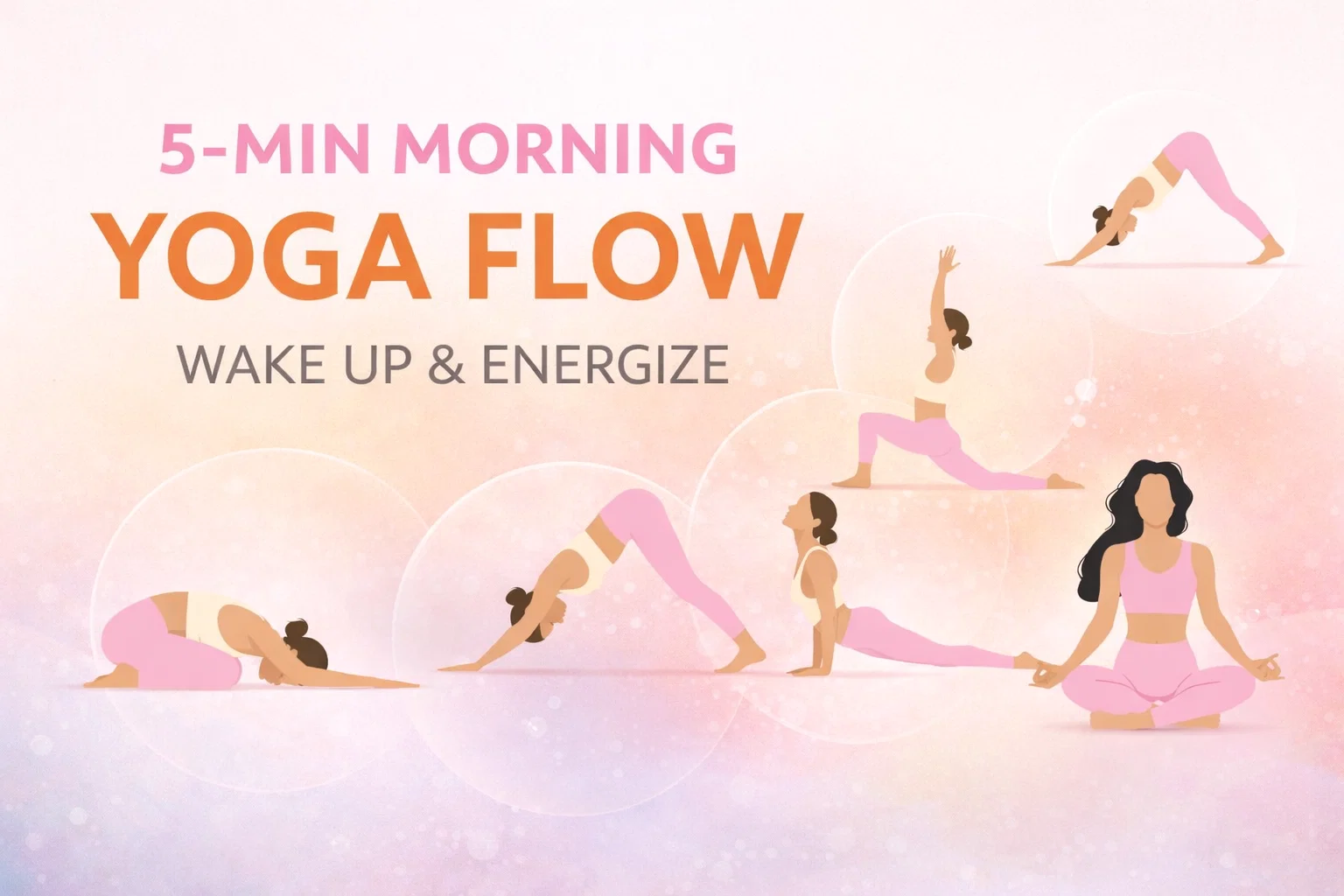
5-Minute Morning Yoga Flow Poster Self-Care Stretch Wall Art Minimalist Wellness Decor
Waking up with a sense of purpose and physical ease is one of the greatest gifts you can give yourself. For many, the morning transition from sleep to activity feels rushed or heavy, but incorporating a simple movement practice can change your entire perspective. This 5-minute morning yoga flow is designed to gently awaken your muscles, clear your mental fog, and set a tone of mindful intention for the rest of your day. By focusing on five fundamental poses, you can create a sustainable habit that requires minimal time but offers maximum rewards for your long-term wellness.
The Power of a Morning Movement Practice
There is a specific kind of magic that happens when you choose to move your body before checking your phone or diving into your email inbox. In those early hours, your nervous system is in a unique state of receptivity. Engaging in a short yoga sequence helps transition the body from the parasympathetic rest-and-digest state to a balanced, active state. This isn’t about a high-intensity workout; it is about communication between your mind and your physical form. Stretching in the morning helps to lubricate the joints, increase blood flow to the brain, and release the physical tension that often accumulates during a night of sleep.
The beauty of a 5-minute flow is its accessibility. Many people avoid starting a fitness or wellness routine because they feel they do not have an hour to spare. However, consistency always trumps duration. Spending five minutes on your mat every single day will yield better results for your flexibility and mental health than a single two-hour session once a month. These five poses are curated to target the major areas of the body that tend to feel tight: the hips, the spine, and the shoulders.
1. Finding Stillness in Child’s Pose
Every great journey begins with a moment of grounding, and Child’s Pose is the ultimate posture for introspection. By kneeling on the floor and folding your torso over your thighs, you create a physical shell that protects you from external distractions. This pose gently stretches the lower back and the hips while allowing the forehead to rest, which has a naturally calming effect on the brain. As you breathe deeply in this position, you feel the expansion of your posterior ribs, encouraging a full oxygen exchange that prepares your system for the day ahead.
How to Perform Child’s Pose Correctly
To get the most out of this stretch, bring your big toes together and take your knees as wide as the mat. This creates space for your belly and allows for a deeper stretch in the hip adductors. Reach your arms forward with your palms flat to engage the shoulders, or rest them by your sides to let the shoulder blades melt away from the spine. Stay here for five to ten deep breaths, setting an intention for how you want to feel throughout your day.
2. Awakening the Body with Downward Facing Dog
Perhaps the most iconic yoga pose of all time, Downward Facing Dog is a full-body rejuvenator. It acts as a mild inversion, bringing blood flow toward the head and heart, which can provide an instant energy boost. This pose is incredible for stretching the entire posterior chain, including the hamstrings, calves, and the length of the spine. After coming out of the quietness of Child’s Pose, this movement feels like a literal “powering up” of the musculoskeletal system.
Refining Your Alignment
Focus on pushing the floor away with your hands, ensuring your weight is distributed through the knuckles rather than just the wrists. Keep a slight bend in your knees if your hamstrings feel tight in the morning. The goal is a long, straight spine rather than perfectly straight legs. As you “pedal out” your feet, you will feel the tightness of the night beginning to dissolve, making way for a sense of lightness and agility.
3. Opening the Heart in Upward Facing Dog
After the compression and folding of the previous poses, Upward Facing Dog provides a necessary counter-stretch. This pose is all about expansion. By pressing through the tops of the feet and the palms, you lift the chest forward and upward, creating a beautiful arch in the spine. This movement is particularly beneficial for those who spend a lot of time sitting at a desk or driving, as it reverses the rounded-shoulder posture that modern life often encourages.
The Benefits of Backbending
Upward Facing Dog stimulates the respiratory system by opening the chest and allowing for deeper lung capacity. It also engages the core and strengthens the arms and wrists. When you perform this pose, imagine pulling your heart through the “gateway” of your shoulders. This physical opening is often associated with emotional openness and confidence, helping you face your daily challenges with a “heart-forward” attitude.
4. Releasing Tension with Low Lunge
The hips are often referred to as the emotional junk drawer of the body because they hold so much physical and stress-related tension. The Low Lunge is a deep, targeted stretch for the hip flexors and psoas muscles. When these muscles are tight, they can pull on the lower back, causing discomfort throughout the day. By stepping one foot forward and lowering the back knee, you create a line of tension-release that travels from the knee all the way up to the abdomen.
Stability and Focus
While in a Low Lunge, keep your front knee directly over your ankle to protect the joint. You can reach your arms toward the sky to add a balance element and a side-body stretch. This pose requires a level of concentration and stability that helps tether your mind to the present moment. It is a transition from the floor-based movements to a more active, upright posture, mirroring the way you are moving from sleep into your active life.
5. Integration in Lotus Pose
The final step in this 5-minute flow is a return to a seated position, specifically Lotus Pose or a simple cross-legged seat. This is the moment of integration. After moving through the various planes of motion, sitting still allows the body to process the physical changes and the mind to find a final point of focus before you step off the mat. It is a posture of dignity, balance, and poise.
- Focus on Breath: Use this time to practice a few rounds of boxed breathing or simply observe the natural rhythm of your breath.
- Spinal Alignment: Visualize a string pulling the crown of your head toward the ceiling, creating space between each vertebra.
- Gratitude: Take a moment to thank your body for its strength and its ability to move.
Why Minimalist Wellness Decor Matters
While the movement itself is the core of the practice, the environment in which you move plays a significant role in your success. Seeing a visual reminder, such as a yoga flow poster or a piece of wellness-inspired wall art, can act as a powerful “habit trigger.” When your space reflects your values of health and self-care, it becomes much easier to stick to your routine. A minimalist design with soft colors, like pink and terracotta tones, creates a soothing atmosphere that lowers cortisol levels and invites you to step onto the mat.
Incorporating instructional art into your home gym or bedroom serves two purposes: it decorates your space with aesthetic intentionality and provides a practical guide so you never have to wonder “what comes next” in your sequence. This reduces the mental friction of starting your workout, making your 5-minute flow an effortless part of your morning ritual.
Long-Term Benefits of Daily Stretching
Committing to this sequence daily offers benefits that extend far beyond the five minutes you spend on the mat. Over time, you will notice an increase in your functional range of motion, meaning daily tasks like reaching for a shelf or bending over become easier and pain-free. Furthermore, the mental clarity gained from a morning flow can improve your productivity and emotional regulation throughout the day. You are essentially training your brain to stay calm under the mild physical stress of a stretch, which translates to staying calm under the mental stress of a busy workday.
Creating Your Sanctuary
If you are looking to deepen your commitment to wellness, consider how your physical surroundings support your goals. Adding natural elements like plants, using organic cotton mats, and displaying inspiring art can transform a simple corner of a room into a dedicated sanctuary. Your home should be a reflection of the person you are becoming: someone who prioritizes their health, values their time, and moves through the world with grace and intention.
Final Thoughts on Your Morning Routine
You do not need an expensive gym membership or hours of free time to transform your health. All you need is a small space, five minutes, and the willingness to show up for yourself. This morning yoga flow is a starting point, a foundation upon which you can build a life of vitality and ease. Whether you are a seasoned yogi or a total beginner, these five poses offer a balanced approach to waking up your system and reclaiming your morning.
Remember that some days will feel easier than others. Some mornings you will feel flexible and light, while others you might feel stiff and tired. The goal is not perfection; the goal is presence. By simply getting on the mat and moving through Child’s Pose, Downward Dog, Upward Dog, Low Lunge, and Lotus, you are choosing to put your well-being first. That choice is the most powerful way to start any day. Let your movement be your medicine, and let your space be your inspiration.