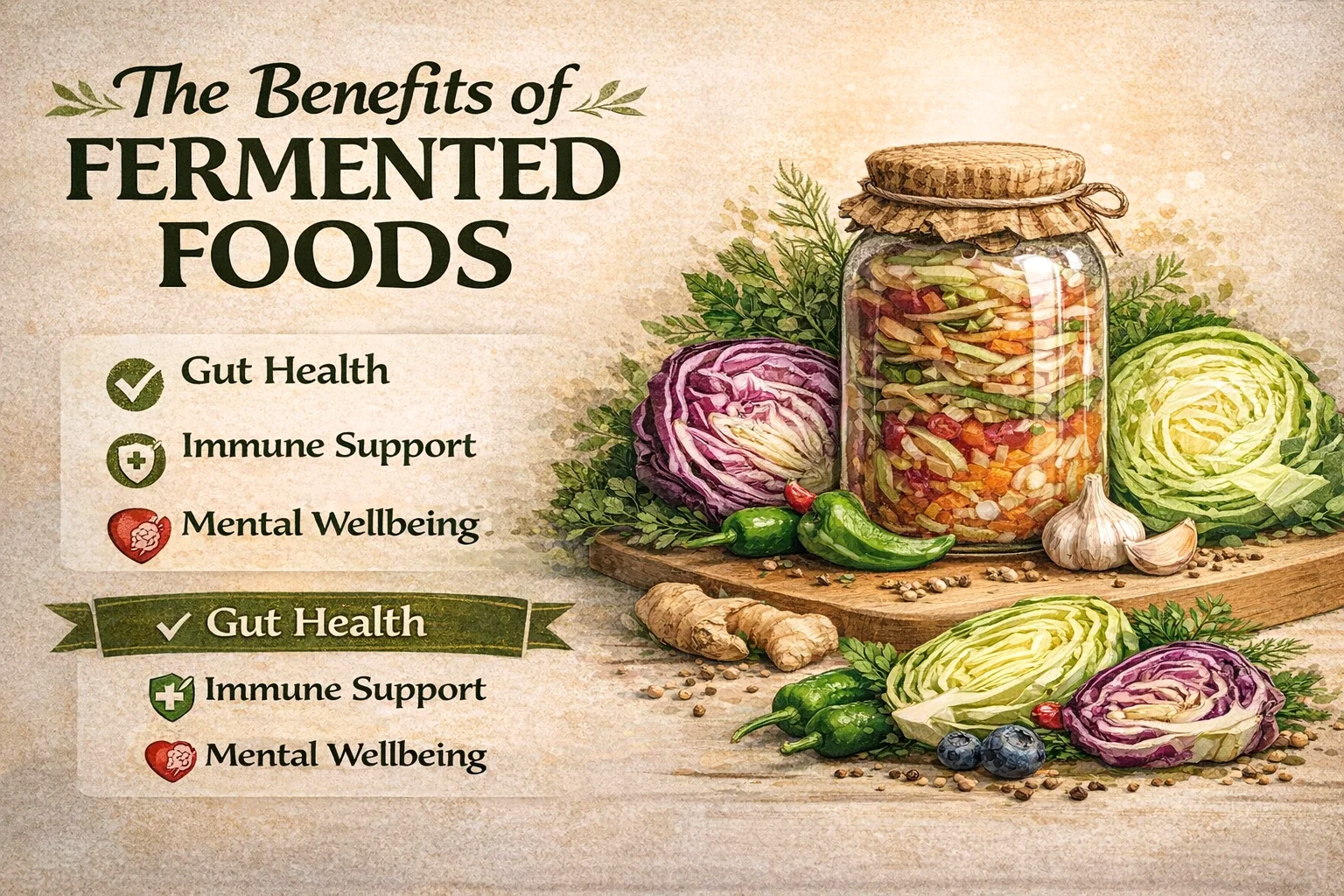
5 Powerful Benefits of Fermenting Food for Gut Health, Immunity, and Mental Wellness
Fermentation is far more than just a culinary trend or a way to preserve the autumn harvest. It is an ancient art form that bridges the gap between traditional wisdom and modern nutritional science. When you look at a jar of bubbling sauerkraut or a colorful mix of fermented root vegetables, you are looking at a living ecosystem. This natural process transforms simple ingredients into nutritional powerhouses, predigested by beneficial bacteria so your body can absorb every ounce of goodness. If you have been looking for a practical, functional, and delicious way to upgrade your health, the answer might just be sitting in a mason jar on your kitchen counter.
The Biological Magic of Fermentation
At its core, fermentation is a metabolic process where microorganisms like bacteria, yeast, or fungi break down organic compounds. In the context of food, this usually involves lacto-fermentation. This is where Lactobacillus bacteria convert sugars and starches into lactic acid. This acid acts as a natural preservative, inhibiting the growth of harmful bacteria while enhancing the flavor profile of the food with that signature tang we all love.
What makes this process so incredible is that it essentially cooks the food without heat. Because no high temperatures are involved, the delicate enzymes and vitamins remain intact. In fact, fermentation often increases the levels of B vitamins and creates unique bioactive peptides that aren’t present in the raw version of the vegetable. It is a true upgrade for your groceries.
Why Your Gut Craves Living Foods
We often hear that the gut is the second brain, and for good reason. Your digestive tract is home to trillions of microbes that influence everything from your skin clarity to your immune response. Modern diets, often high in processed sugars and low in fiber, can throw this delicate balance out of whack. This is where fermented foods step in as the ultimate functional tool.
- Bioavailability: Fermentation breaks down anti-nutrients like phytic acid, which can block mineral absorption.
- Enzymatic Support: The enzymes produced during fermentation help your stomach break down heavier meals more efficiently.
- Natural Carbonation: The slight effervescence in some ferments can physically aid in moving food through the digestive tract.
Unlocking Optimal Digestion
One of the most immediate benefits people notice when adding fermented foods to their routine is a significant improvement in digestion. If you experience frequent bloating, gas, or that heavy feeling after eating, your gut might be struggling to process the complexity of your meals. Fermented foods act as a biological primer for your stomach.
By introduces a diverse array of beneficial bacteria, you are essentially reinforcing your digestive army. These microbes help break down large molecules into smaller, more manageable pieces. For instance, many people who are sensitive to raw cabbage find that they can eat large portions of sauerkraut without any issues because the bacteria have already done the heavy lifting of breaking down the tough cellulose fibers.
Reducing Bloating and Digestive Stress
Digestive stress often comes from an imbalance known as dysbiosis, where “bad” bacteria outnumber the “good” ones. This can lead to the production of excess gas as a byproduct of fermentation happening in the wrong part of the gut. By regularly consuming small amounts of fermented vegetables, you help maintain a slightly acidic environment in the intestines, which is exactly what beneficial flora need to thrive. This consistent support can lead to a flatter stomach and a much more comfortable post-meal experience.
Immune Support from the Inside Out
It is a well-established scientific fact that about 70 to 80 percent of your immune system resides in your gut. Specifically, it is located in the GALT, or gut-associated lymphoid tissue. The lining of your gut is the primary barrier between the outside world and your internal systems. When this barrier is strong, your body is better equipped to identify and neutralize pathogens.
Fermented foods support mucosal repair. The lactic acid and beneficial compounds produced during fermentation help nourish the cells that line your intestinal walls. This prevents a condition often referred to as leaky gut, where toxins can seep into the bloodstream and trigger systemic inflammation. By keeping the gut lining tight and healthy, you are providing your immune system with a solid foundation.
Balancing Body Inflammation
Chronic inflammation is the root of many modern wellness challenges. Fermented foods contain anti-inflammatory compounds that help signal the immune system to calm down. Instead of being in a state of high alert, your body can focus on repair and maintenance. Regular consumption of things like kimchi, kefir, or ginger carrots can lead to fewer seasonal sniffles and a more resilient overall constitution.
The Power of Natural Probiotics
While the supplement industry is worth billions, there is a strong case to be made for getting your probiotics from whole food sources. Laboratory-created supplements often contain only a handful of specific strains, and many of these bacteria don’t survive the harsh journey through stomach acid to reach the lower intestines.
In contrast, the probiotics found in a jar of home-fermented pickles are incredibly hardy. They have already survived in an acidic environment, which makes them much more likely to survive your stomach acid. Furthermore, fermented foods provide a complex matrix of “prebiotics” (fiber) and “postbiotics” (the beneficial metabolites produced by the bacteria), making them a complete package for gut health.
Better Tolerated than Supplements
Many people find that high-dose probiotic pills cause digestive upset or a “die-off” reaction. Fermented foods allow you to start small. A single teaspoon of kraut juice contains billions of bacteria, and because it is a whole food, your body recognizes it as nourishment rather than a foreign pill. This makes it much easier to integrate into a long-term wellness lifestyle without the side effects of concentrated supplements.
The Gut-Brain Axis and Mental Health
Perhaps the most fascinating area of recent research is the connection between the gut and the brain. There is a physical highway known as the vagus nerve that connects these two organs, and they are constantly sending signals back and forth. This is why you get butterflies in your stomach when you are nervous or why you might feel “hangry” when your blood sugar drops.
Your gut bacteria are responsible for producing a significant portion of your neurotransmitters. For example, about 95 percent of the body’s serotonin, the “feel-good” hormone, is produced in the gut. When your gut microbiome is thriving, your production of these anti-stress neurochemicals is optimized.
Mood, Resilience, and Anti-Stress
A healthy gut doesn’t just make you feel physically better; it can actually help you handle stress more effectively. Studies have shown that people who consume fermented foods regularly often report lower levels of anxiety and a more stable mood. By calming the gut-brain axis, you are providing your nervous system with a buffer against the chaotic demands of daily life. It is a natural way to foster resilience and mental clarity from the bottom up.
Enhancing Variety and Flavor in Your Diet
Beyond the health benefits, fermentation is a culinary superpower. It introduces a variety of textures and flavors that are impossible to achieve through other cooking methods. From the sharp crunch of a fermented green bean to the deep, earthy richness of miso, these foods make every meal more interesting.
Adding a small side of fermented vegetables to your dinner plate isn’t just a health choice; it is a gourmet choice. The acidity of the ferment helps cut through the richness of fats and balances the saltiness of meats. It turns a standard meal into a multi-dimensional experience that satisfies the palate as much as it satisfies the microbiome.
Practical and Functional Living
One of the best things about fermentation is how functional it is. Once you learn the basic ratios, you can ferment almost anything. It is a fantastic way to use up garden gluts or that extra head of cabbage in the back of the fridge. Unlike canning, which requires boiling water baths and precise timing, fermentation is forgiving. It is a “set it and forget it” method of food preparation that rewards you with weeks or even months of healthy snacks.
- Budget-Friendly: Cabbage and salt are incredibly cheap, yet they create a high-value health food.
- Long Shelf Life: Properly fermented foods can last for months in the refrigerator, keeping their probiotic potency.
- Creative Freedom: Add garlic, ginger, turmeric, or chili flakes to customize your jars to your specific taste.
Getting Started with Your First Jar
If you are new to this, don’t feel intimidated. You don’t need fancy equipment to start reaping these benefits. A clean glass jar, some fresh vegetables, and high-quality sea salt are all it takes to begin your journey. The most important thing is to ensure your vegetables stay submerged under the brine, which creates the anaerobic environment necessary for the “good” bacteria to win the race against the “bad” ones.
Start with a simple sauerkraut or some fermented sliced radishes. Within just a few days, you will see the bubbles forming, a sign that the life within the jar is beginning to transform your food. It is a rewarding process to witness, and even more rewarding to eat.
Final Thoughts on the Fermentation Lifestyle
Embracing fermented foods is about more than just following a diet; it is about reconnecting with a traditional way of living that honors the biology of our bodies. By incorporating these alive, delicious, and functional foods into your daily routine, you are making a profound investment in your long-term health. From superior digestion and a strengthened immune system to a calmer mind and a more vibrant palate, the benefits are undeniable.
The beauty of fermentation is that it invites us to slow down and work in harmony with nature. It teaches us that some of the best things in life take time to develop. So, the next time you see a jar of fermented goodness, remember that it is not just food. It is a powerhouse of probiotics, a guardian of your immune system, and a delicious testament to the power of natural healing. Start small, experiment often, and enjoy the journey to a healthier, more resilient you.
Would you like me to help you draft a specific recipe for a beginner-friendly ferment, like ginger carrots or traditional sauerkraut, to accompany this post?