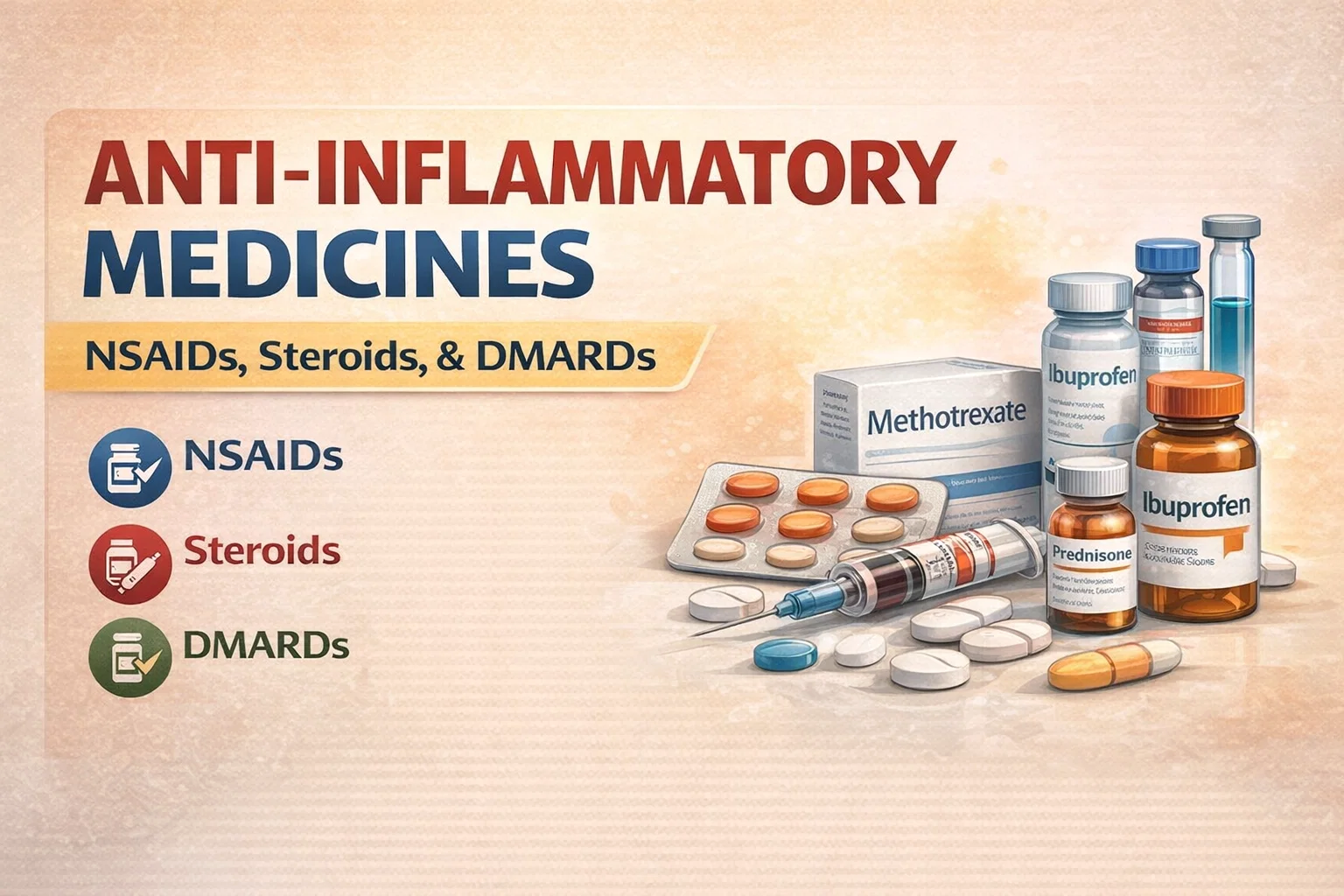
50 Common Anti-Inflammatory Medications NSAIDs, Steroids and DMARDs List for Pain Relief
Navigating the world of medicine can often feel like learning a second language. When you are dealing with persistent pain, swelling, or a diagnosed autoimmune condition, the terminology used by healthcare providers and pharmacists can become a blur of acronyms and complex names. Understanding the tools available for managing inflammation is one of the most empowering steps you can take toward your own wellness. Inflammation is a natural response by your body to injury or infection, but when it becomes chronic, it can interfere with your quality of life. Fortunately, modern clinical practice has categorized a wide array of medications designed to target these issues at their source. From the common pills found in your kitchen cabinet to specialized treatments for long-term conditions, knowing what each class does is essential for informed health decisions.
The Foundations of Pain Relief: Exploring NSAIDs
Non-Steroidal Anti-Inflammatory Drugs, or NSAIDs, are perhaps the most recognized group of medications in the world. Most people have reached for an ibuprofen or naproxen at some point to manage a headache, a sports injury, or a seasonal fever. The beauty of NSAIDs lies in their dual-action nature. They not only work to reduce the sensation of pain by blocking specific enzymes called COX-1 and COX-2, but they also actively decrease the swelling and redness associated with acute inflammation. This makes them a first line of defense for conditions like arthritis, menstrual cramps, and general muscle soreness.
While many NSAIDs are available over the counter, others require a prescription because of their potency or specific formulation. For instance, medications like Diclofenac and Meloxicam are frequently prescribed for those dealing with chronic joint issues because they provide longer-lasting relief compared to standard store-bought options. It is also fascinating to see how specialized some of these drugs have become. Celecoxib is often favored for patients who have sensitive stomachs, as it is designed to be gentler on the digestive tract while still providing powerful anti-inflammatory benefits. Despite their accessibility, it is important to remember that NSAIDs are meant for short-term or managed use to avoid potential side effects on the kidneys or stomach lining.
Commonly Used NSAIDs in Clinical Practice
- Ibuprofen: The go-to for many for quick relief of fevers and minor aches.
- Naproxen: Known for providing longer-lasting relief, often used for backaches or toothaches.
- Aspirin: A classic medication that serves as both a pain reliever and a blood thinner in specific doses.
- Ketorolac: A potent NSAID typically used for short-term management of moderate to severe pain.
- Indomethacin: Often utilized for more intense inflammatory conditions like gout or severe tendonitis.
The Power of Corticosteroids for Rapid Intervention
When inflammation is severe or widespread, doctors often turn to a stronger class of drugs known as Corticosteroids. These are synthetic versions of the hormones naturally produced by your adrenal glands. Unlike NSAIDs, which focus primarily on enzyme inhibition, steroids work by suppressing the immune system’s overactive response. This makes them incredibly effective for treating allergic reactions, asthma flare-ups, and intense bouts of skin inflammation. Because they are so powerful, they are typically used as a short-term “bridge” treatment to get symptoms under control quickly before transitioning to a more sustainable maintenance plan.
Prednisone and Methylprednisolone are two of the most frequently mentioned names in this category. You might see these prescribed in a “dose pack” format, where the dosage gradually decreases over several days. This tapering process is vital because it allows your body to slowly resume its own natural hormone production. Beyond oral tablets, corticosteroids are also used in topical creams for eczema or as injections directly into a painful joint. The versatility of these medications is a testament to their importance in clinical medicine, though they must always be used under strict medical supervision due to their systemic impact on the body.
Recognizing High-Potency Steroid Options
- Dexamethasone: A highly potent steroid often used for severe respiratory issues or intense allergic reactions.
- Hydrocortisone: Frequently found in topical forms to soothe skin irritation and bites.
- Betamethasone: Used for a variety of inflammatory conditions, including those affecting the skin or scalp.
- Triamcinolone: A versatile steroid used in dental pastes, creams, and joint injections.
Managing Chronic Conditions with DMARDs and Biologics
For individuals living with autoimmune diseases such as Rheumatoid Arthritis (RA), Lupus, or Psoriasis, the goal of treatment shifts from simple pain relief to actually modifying the course of the disease. This is where Disease-Modifying Anti-Rheumatic Drugs, or DMARDs, come into play. While NSAIDs mask the symptoms, DMARDs work behind the scenes to slow down the progression of the disease and protect joints and tissues from permanent damage. They are the marathon runners of the anti-inflammatory world, often taking several weeks or months to reach their full effect.
In recent years, the category of DMARDs has expanded to include Biologics. These are a newer, more targeted generation of treatments derived from living cells. Instead of suppressing the entire immune system, biologics zero in on specific proteins that trigger inflammation. Medications like Adalimumab and Infliximab have revolutionized the way doctors treat complex conditions, offering hope to many who did not find relief with traditional therapies. Because these drugs affect the immune system’s ability to fight infection, they require careful monitoring and regular blood tests to ensure the patient remains healthy while managing their chronic condition.
Key DMARDs and Targeted Biological Therapies
- Methotrexate: Considered the gold standard for many autoimmune treatments due to its efficacy.
- Sulfasalazine: Often used for both joint issues and inflammatory bowel diseases.
- Hydroxychloroquine: A long-standing treatment for lupus and early-stage RA.
- Cyclosporine: An immunosuppressant used to prevent organ rejection and treat severe psoriasis.
- Adalimumab: A biologic that targets specific inflammatory markers to provide deep relief for chronic flare-ups.
The Importance of Professional Guidance and Safety
While having a list of 50 anti-inflammatory medications is a great reference, it is only one piece of the puzzle. Every individual has a unique medical history, and what works for one person might not be suitable for another. For example, someone with a history of stomach ulcers would need to be very cautious with NSAIDs, while someone with high blood pressure might need to monitor their response to certain steroids. This is why the partnership between a patient and their healthcare provider is so crucial. A doctor can help determine the underlying cause of the inflammation and select the medication that offers the best balance of benefits and safety.
In addition to pharmacological interventions, many people find that lifestyle adjustments can support their medication’s effectiveness. Incorporating anti-inflammatory foods into your diet, practicing gentle movement, and ensuring adequate rest can all contribute to a more holistic approach to health. It is also worth noting that medications should always be taken exactly as prescribed. Skipping doses or stopping a steroid treatment abruptly can lead to setbacks. Staying informed and organized with your treatment plan is the best way to ensure long-term success and a return to the activities you love.
Holistic Support for an Anti-Inflammatory Lifestyle
Reducing inflammation is often about more than just a single pill; it is about creating an environment where your body can heal and thrive. Many people find success by combining their clinical treatments with natural supportive measures. For instance, staying hydrated helps the body process medications and flush out toxins. Incorporating omega-3 fatty acids, found in flaxseeds or fish oil, can provide a natural boost to your anti-inflammatory efforts. Even simple habits like managing stress through mindfulness or meditation can lower the cortisol levels in your body, which in turn helps keep systemic inflammation in check.
Gardening and spending time in nature are also wonderful ways to support a healthy lifestyle. Gentle physical activity like weeding or walking in a park can keep joints mobile without putting excessive strain on them. For those interested in botanical support, many herbs like turmeric and ginger have been studied for their natural anti-inflammatory properties. While these should never replace a prescribed medical regimen for serious conditions, they can be wonderful additions to a general wellness routine. Always discuss any herbal supplements with your doctor to ensure they do not interfere with your clinical medications.
Practical Tips for Managing Your Medication Routine
- Use a Weekly Organizer: This helps you keep track of different dosages, especially if you are on a tapering schedule.
- Keep a Symptom Journal: Note down how you feel after starting a new medication to help your doctor fine-tune your treatment.
- Set Reminders: Use your phone or a kitchen timer to ensure you take your doses at the same time every day for maximum efficacy.
- Read the Inserts: Familiarize yourself with common side effects so you know what to watch for and when to call your provider.
Moving Forward with Confidence and Clarity
The journey toward managing inflammation and finding relief is a personal one, but you do not have to navigate it alone. With a vast array of medications available, from the simplicity of ibuprofen to the advanced science of biologics, there are more options today than ever before. By understanding the differences between NSAIDs, steroids, and DMARDs, you can have more productive conversations with your medical team and take an active role in your healing process. Remember that the goal is not just to stop the pain, but to reclaim your energy and vitality.
Whether you are dealing with a temporary injury or a lifelong condition, staying educated is your greatest tool. Keep this guide as a reference for the names and categories you might encounter in clinical practice. As you work with your doctor to find the perfect balance for your body, stay patient and persistent. Wellness is a continuous path, and with the right information and professional support, you can look forward to a future defined by comfort and mobility rather than inflammation and discomfort. Embrace the science, listen to your body, and take each step toward health with confidence.