50 Common Health Issues and the Vitamins Your Body Needs to Heal Naturally
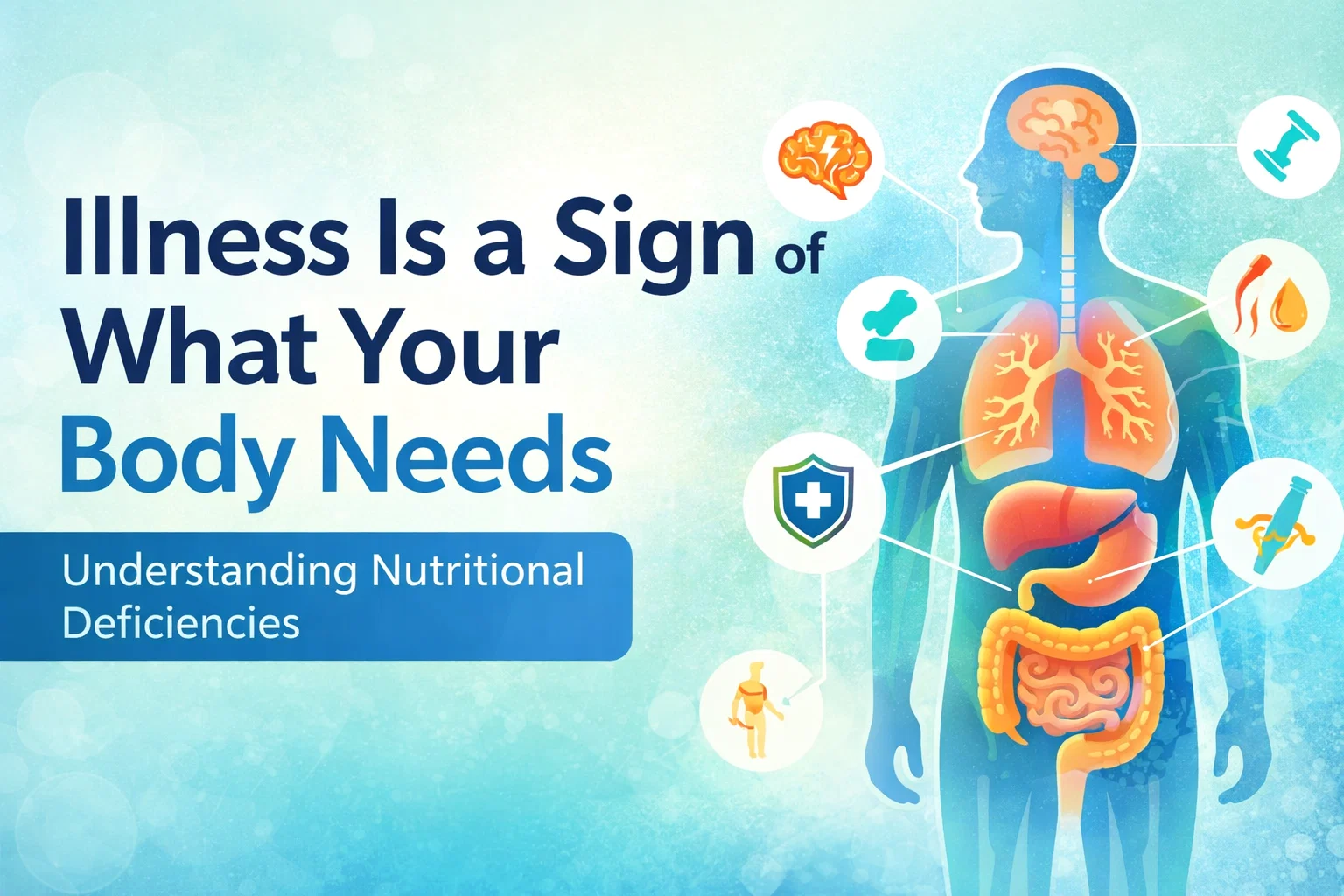
Have you ever woken up feeling completely drained, even after a full night of sleep? Or perhaps you have noticed persistent skin breakouts, nagging joint pain, or a sudden onset of brain fog that just will not clear? For many of us, the first instinct is to reach for a quick fix or a temporary remedy to mask the symptoms. However, what if we shifted our perspective entirely? What if we started viewing illness not as a random stroke of bad luck, but as a sophisticated communication system? The human body is incredibly intelligent. It does not malfunction without reason. Instead, it uses physical and mental symptoms as a biological dashboard to signal exactly what it needs to return to a state of balance and vitality.
Understanding the Language of Your Body
The concept that illness is a sign of nutritional deficiency or physiological imbalance is at the heart of functional wellness. Every cell in your body requires a specific set of raw materials to function correctly. These materials include vitamins, minerals, fatty acids, and amino acids. When these supplies run low, your systems start to stutter. A headache is not necessarily an aspirin deficiency; it might be a magnesium deficiency or a sign of dehydration. By decoding these signals, we can move away from merely managing diseases and start fostering true health from the cellular level up.
The Connection Between Nutrients and Chronic Symptoms
Modern lifestyles often leave us overfed but undernourished. We consume plenty of calories, but our diets are frequently devoid of the essential micronutrients found in whole, unprocessed foods. This gap between what we eat and what our bodies actually need creates a fertile ground for chronic issues like inflammation, hormonal imbalances, and metabolic dysfunction. When you look at a list of common ailments, you begin to see patterns. Many conditions that seem unrelated on the surface actually share common nutritional roots.
Deep Dive into Common Health Signals
Let us take a closer look at how specific symptoms correlate with the nutrients your body is likely craving. By addressing these foundational needs, you empower your body to repair and regenerate itself naturally.
Brain Health and Mental Clarity
Issues like ADHD, anxiety, depression, and brain fog are often treated as purely psychological, but they are deeply rooted in brain chemistry. Your brain is a high energy organ that requires constant fuel and protection.
- ADHD and Focus: If you struggle to stay on task, your brain might be asking for magnesium to calm the nervous system, protein to build neurotransmitters, and omega 3 fatty acids to support the structural integrity of brain cells.
- Anxiety and Panic: Anxiety is frequently a sign that your nerves need more magnesium and B vitamins. These nutrients act as the body’s natural chill pill, helping to regulate the stress response and soothe the vagus nerve.
- Depression: Low mood is often linked to deficiencies in Vitamin B6, B12, and omega 3s, all of which are critical for the production of serotonin and dopamine, our feel good hormones.
Skin and Hair Vitality
Your skin is your largest organ and often the first place where internal imbalances become visible. If you are dealing with acne, eczema, or hair loss, it is time to look at your mineral and fat intake.
- Acne: Persistent breakouts often indicate that the skin and liver need extra support from zinc, Vitamin A, and omega 3s to reduce inflammation and regulate oil production.
- Eczema and Psoriasis: These inflammatory skin conditions are loud cries for Vitamin D, zinc, and essential fatty acids to repair the skin barrier and modulate the immune response.
- Hair Loss: Thinning hair is a classic sign that your follicles are lacking zinc, silica, and iron. These minerals are the building blocks of strong, healthy hair strands.
The Role of Minerals in Physical Recovery
Minerals are the unsung heroes of our physiology. They act as cofactors for thousands of enzymatic reactions. Without them, your body simply cannot repair its tissues or produce energy effectively.
Joint and Bone Health
If you suffer from arthritis or osteoporosis, your body is likely struggling to maintain its structural integrity. Arthritis is often a sign that your joints need more collagen and minerals for repair. Meanwhile, bone density issues like osteoporosis require a delicate balance of calcium, Vitamin D, Vitamin K2, and magnesium. Without K2, calcium can end up in your arteries instead of your bones, making the right combination of nutrients absolutely vital.
Muscle and Nerve Function
Do you experience tingling in your hands and feet or frequent muscle cramps? These are neurological “pings” indicating a need for Vitamin B1, B12, and electrolytes. Your nerves rely on B vitamins for the protective myelin sheath that ensures signals are sent quickly and accurately throughout the body. When this sheath thins due to deficiency, you start to feel those “pins and needles” sensations.
Support for Internal Systems and Organs
Our internal organs work tirelessly behind the scenes, but they are not invincible. They require specific toolkits to filter toxins and regulate hormones.
Thyroid and Hormonal Balance
The thyroid is the master of your metabolism. If you feel sluggish or suffer from hypothyroidism, your thyroid likely needs iodine and selenium to manufacture its hormones. Similarly, conditions like PCOS or infertility point toward a need for chromium, inositol, and folate to balance blood sugar and support reproductive health. For women dealing with heavy periods or PMDD, the uterus and ovaries are often signaling a desperate need for iron, magnesium, and Vitamin B6 to manage the hormonal cycle and prevent anemia.
Digestive Wellness and Gut Integrity
A “leaky gut” or chronic bloating is a clear sign that your digestive lining is compromised. To seal and heal the gut, you need zinc and L Glutamine. Bloating specifically suggests that your digestion needs help from bile salts and digestive enzymes to break down food properly. When your gut is healthy, your entire immune system thrives, as the majority of your immune cells reside in your digestive tract.
Metabolic Health and Energy Production
Chronic fatigue and Type 2 diabetes are two of the most prevalent issues in modern society. Both are closely tied to how our mitochondria, the powerhouses of our cells, function.
Boosting Mitochondrial Function
If you are constantly exhausted, your mitochondria might be starving for CoQ10, magnesium, and B vitamins. These nutrients are essential for the production of ATP, the energy currency of your cells. For those managing Type 2 diabetes, adding chromium and magnesium can help improve insulin sensitivity, allowing your body to process glucose more efficiently and reducing the strain on your metabolic system.
Circulation and Heart Health
Heart disease and varicose veins are signals regarding the health of your arteries and veins. Your cardiovascular system needs magnesium and CoQ10 for muscular repair and energy, while your veins require Vitamin C, collagen, and bioflavonoids to maintain elasticity and strength. Addressing these needs early can prevent more serious complications down the road.
How to Start Your Nutritional Recovery Journey
Knowing what your body needs is only the first step. The next step is implementation. It can be overwhelming to think about all these different vitamins and minerals at once, but the best approach is to start with the symptoms that are most affecting your quality of life.
Prioritize Whole Foods
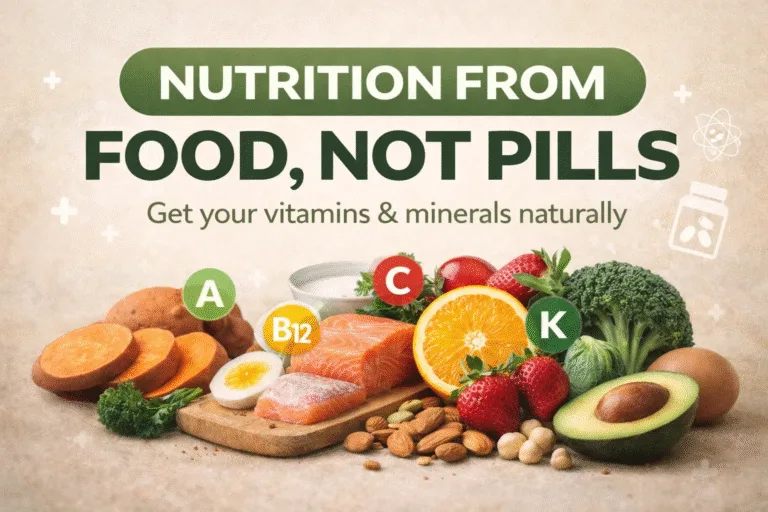
Supplements can be incredibly helpful, but they should never replace a nutrient dense diet. Focus on eating a rainbow of vegetables, high quality proteins, and healthy fats. Foods like wild caught fish, leafy greens, nuts, and seeds are packed with the magnesium, zinc, and omega 3s that show up on almost every “needs” list.
Listen and Adjust
Pay close attention to how your body responds when you introduce new nutrients. Do you feel more alert? Is your skin clearing up? Use these improvements as motivation to keep going. Remember that nutritional changes take time. It takes weeks or even months for your cellular stores to replenish, so consistency is key.
Conclusion: Empowering Your Health Journey
The realization that illness is a sign of what your body needs is incredibly empowering. It takes the fear out of symptoms and replaces it with actionable knowledge. Instead of feeling like a victim of your health, you become an active partner in your wellness. Whether it is adding more magnesium for your nerves, zinc for your skin, or CoQ10 for your heart, every small change makes a difference. Your body wants to be healthy; it is designed for survival and vitality. By providing the right ingredients, you are giving your body the tools it needs to heal, thrive, and carry you through a long, vibrant life. Start listening today, and you might be surprised at just how quickly your body responds to the care it has been asking for.