50 Life Lessons on Basic Physiological Needs Survival and Comfort Tips
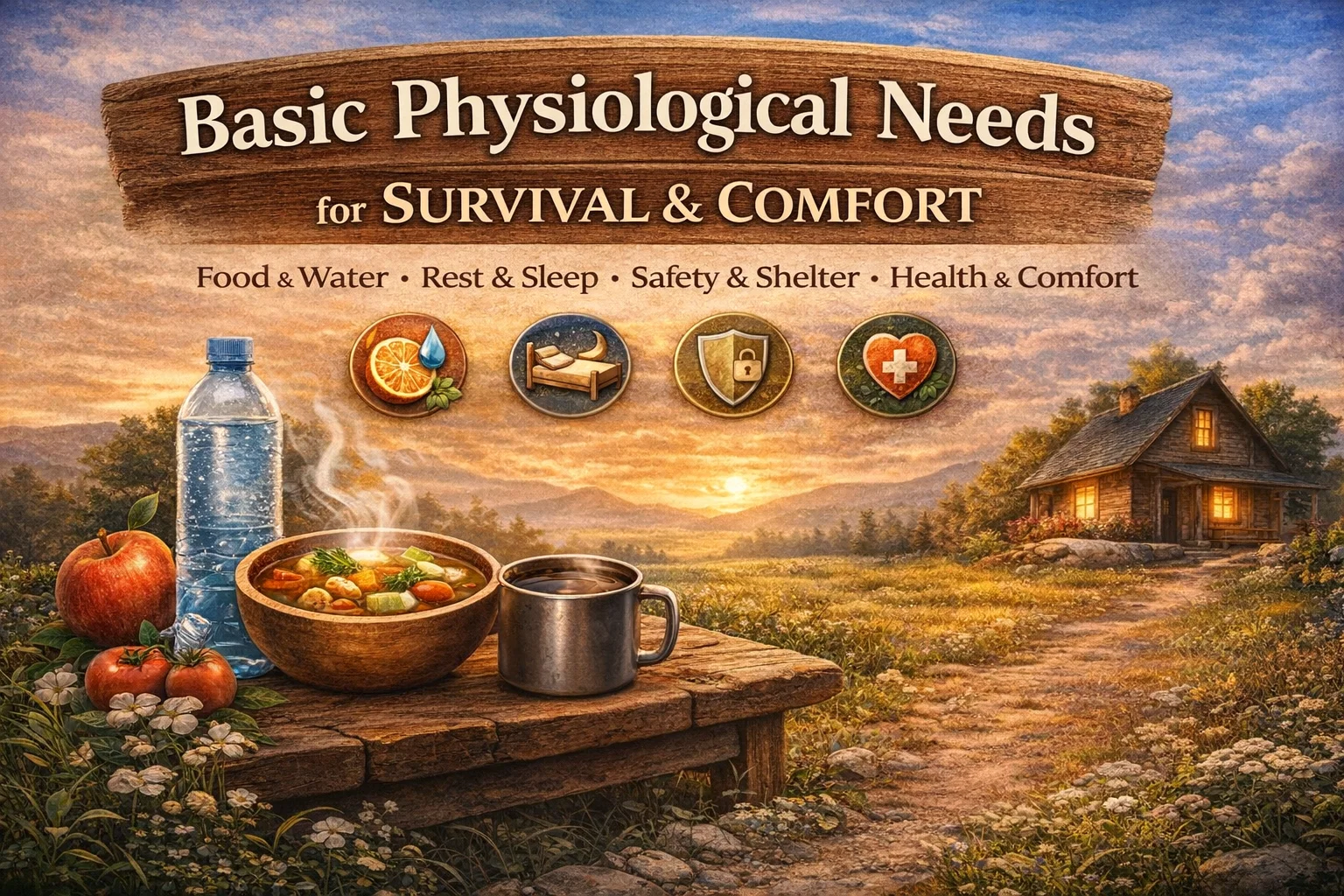
Taking care of our most fundamental requirements is the true foundation of a balanced and fulfilling life. When we look at the concept of basic physiological needs, we are not just talking about the bare minimum required to stay alive. We are discussing the vital pillars that support our mental clarity, emotional stability, and physical resilience. The image of a peaceful landscape with a warm meal and a sturdy shelter reminds us that survival is the first victory we achieve every single day. By understanding these 50 life lessons on survival and comfort, we can move from a state of constant stress into a life of gratitude and growth.
The Essential Power of Food and Water
It is often said that food is fuel, but its role in our lives goes much deeper than calories and nutrients. Nutrition is a form of self-care that impacts every facet of our existence. When our basic hunger is not met, the world can feel like a hostile and overwhelming place. This is because hunger directly affects our patience, our ability to think logically, and our emotional regulation. Have you ever noticed how a simple, warm meal can completely restore your sense of hope? This is not just a feeling; it is a physiological response to security.
Hydration as a Daily Miracle
Clean water is a daily miracle that many of us frequently overlook. Every cell in our body relies on hydration to function, yet we often wait until we are parched to take a sip. Maintaining consistent hydration supports cognitive function and keeps our energy levels stable. When we view drinking water as an essential act of survival rather than a chore, we begin to appreciate the simple brilliance of our biological systems. Access to clean water is the ultimate luxury that forms the baseline for all health and comfort.
The Emotional Weight of a Warm Meal
Beyond the biological necessity, food represents comfort, culture, and care. Sitting down to a regular meal provides an emotional balance that prevents us from falling into the traps of anxiety and irritability. When we ensure that our bodies are well-fed, we create the internal environment necessary for kindness to grow. It is difficult to be compassionate or creative when your stomach is empty and your mind is focused solely on where the next meal will come from. By honoring our need for nourishment, we honor our shared humanity.
Rest and Sleep: The Non-Negotiable Pillars of Survival
In our modern, fast-paced society, rest is often mislabeled as laziness. However, these 50 life lessons remind us that rest is actually a core component of survival. A tired body makes even the smallest decisions feel impossible. When we deprive ourselves of sleep, we are essentially operating in a state of emergency. Sleep heals more than we realize, repairing our muscles, consolidating our memories, and flushing toxins from our brains. Without it, our motivation disappears, and our ability to handle stress evaporates.
Building Stability Through Routine
Stability starts with meeting our daily physical needs through a consistent routine. When we create a safe place to sleep, we bring a profound sense of peace to the mind. This predictability signals to our nervous system that we are safe, allowing us to drop out of “fight or flight” mode and into a state of recovery. Having a dedicated space for rest is not just about a mattress and a pillow; it is about creating a sanctuary where the mind can finally let go of the day’s burdens.
The Wealth of Having Enough
There is a unique kind of wealth found in having “enough.” In a world that constantly pushes for excess, recognizing when your basic needs for rest and simplicity are met is a form of true prosperity. Simplicity often brings more peace than any amount of material surplus ever could. When we listen to our bodies before our minds start racing with demands, we find that a few hours of deep sleep and a quiet environment are more valuable than the most expensive gadgets. Rest is the fuel that allows us to pursue our higher purpose.
Safety, Shelter, and the Dignity of a Home
Shelter is far more than just four walls and a roof. It is a physical manifestation of dignity and a fundamental human right. Having a secure place to call home provides the stability needed for emotional strength. When we know we have a safe place to return to, we are much more willing to take risks and explore the world during the day. Safety creates the trust necessary for us to build relationships and participate in our communities.
Physical Security and Mental Clarity
When our physical well-being is supported by a secure environment, our mental clarity soars. It is nearly impossible to focus on complex problem-solving or artistic expression if you are worried about your physical safety. Stability in our living situation brings an emotional strength that radiates into every other part of our lives. Routine within the home provides a sense of safety that acts as an anchor during turbulent times. By securing our surroundings, we give our minds the freedom to dream and create.
Finding Space for Gratitude
Comfort creates the necessary space for gratitude to flourish. When we are not struggling to survive, we can finally look around and appreciate the beauty of our existence. Survival needs remind us of our shared humanity, as every person on this planet requires the same basic elements to thrive. When these basics are secure, we see a shift in our perspective. Fear, which often stems from unmet basic needs, is replaced by a sense of resilience and a desire to help others. Meeting your essentials is the first step toward becoming the best version of yourself.
Health and Comfort: The Final Victory
Physical care is a form of refreshment that goes beyond the surface. It involves listening to the subtle signals your body sends and responding with compassion. Whether it is a warm bath, a clean set of clothes, or a comfortable chair, these elements of health and comfort support emotional healing. When we struggle to survive, our mental clarity is the first thing to go. By prioritizing our comfort, we are actually protecting our cognitive health and our ability to remain resilient in the face of challenges.
Meeting Essentials to Build Resilience
Resilience is not just about being “tough”; it is about having a well-maintained foundation. Meeting your essentials every day builds a reservoir of strength that you can draw upon when life gets difficult. If you are well-rested, well-fed, and feel safe, you can handle almost anything that comes your way. However, if your foundation is crumbling because you have ignored your basic physiological needs, even a minor inconvenience can feel like a disaster. Resilience is built in the quiet moments of self-care and preparation.
Survival is the First Victory
Every morning that you wake up and provide for your basic needs, you have won a major victory. We often overlook these small successes in favor of chasing big milestones, but without the small victories, the big ones are impossible to sustain. Recognizing the importance of survival and comfort allows us to live with more intention. It humbles us and connects us to the natural world and to each other. When we treat our physiological needs with the respect they deserve, we unlock a level of vitality and joy that is otherwise unattainable.
Conclusion: Living with Intention and Care
Focusing on basic physiological needs is not a regression; it is an advancement toward a more conscious and sustainable way of living. By honoring these 50 life lessons, we acknowledge that our bodies and minds are deeply interconnected. Food, water, rest, and shelter are the ingredients for a life well-lived. When we ensure these are in place, we create a solid platform for our ambitions, our relationships, and our happiness. Let us stop treating our basic needs as afterthoughts and start treating them as the essential priorities they truly are. When you take care of the basics, the rest of your life has a beautiful way of falling into place.