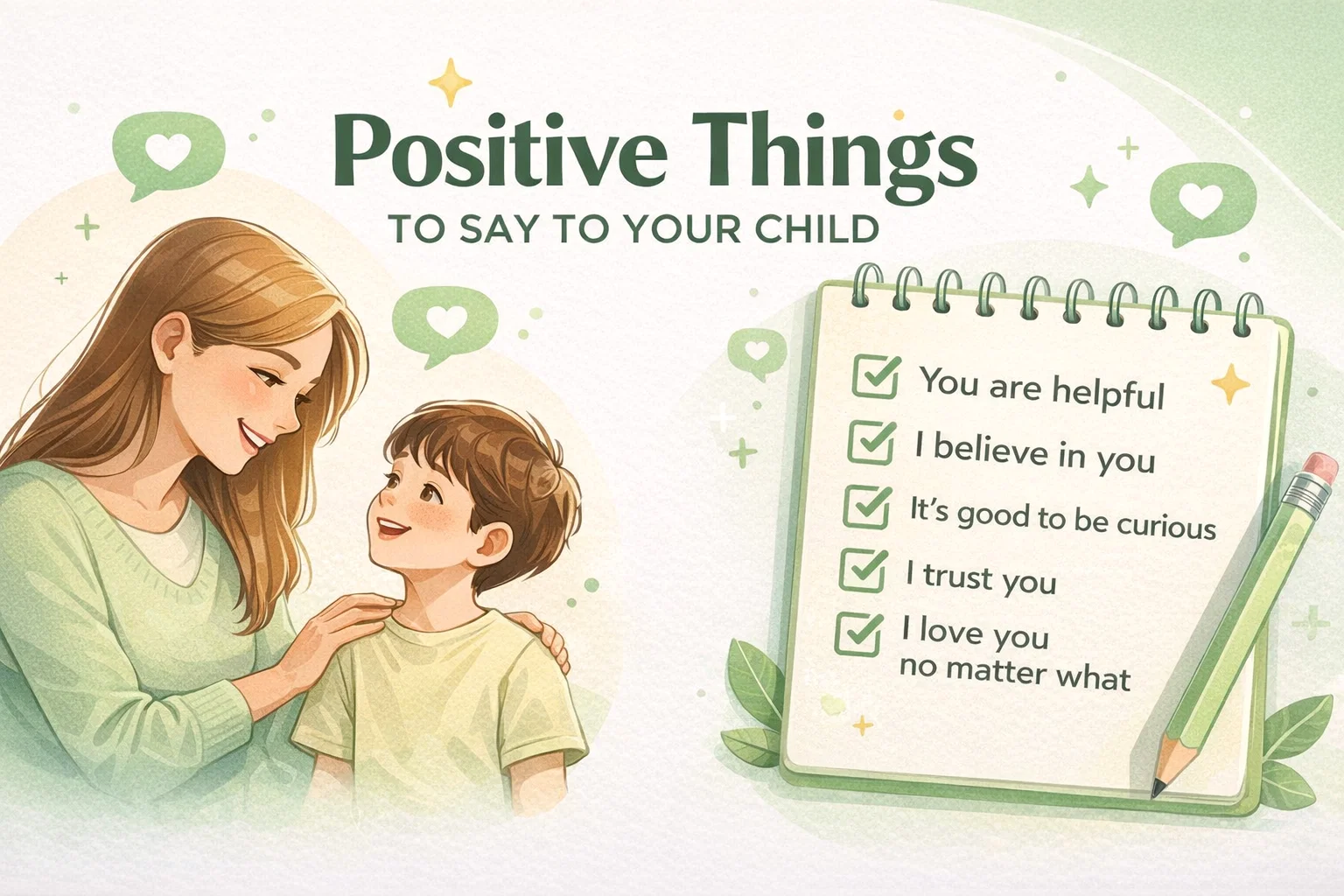
55 Positive Things to Say to Your Child Gentle Parenting Tips Positive Affirmations for Kids
Words are more than just a means of communication; they are the fundamental building blocks of a child’s inner world. Every time we speak to our children, we are handing them the tools they will eventually use to build their own self-image and navigate the complexities of life. Positive reinforcement is not about constant praise for every minor achievement, but rather about creating an environment of emotional safety, validation, and unconditional support. When a child hears that they are enough or that their ideas have value, those phrases become the inner voice they carry into adulthood. By consciously choosing to speak life into our children, we help them develop the resilience needed to face challenges and the empathy required to build healthy relationships with others.
The Psychological Power of Positive Affirmations
Psychology tells us that the early years of development are critical for forming a person’s core beliefs. These beliefs act as a filter through which children view themselves and the world around them. When a parent or caregiver consistently uses affirming language, they are helping to wire the child’s brain for confidence and security. This is often referred to as a growth mindset, where the focus shifts from being perfect to being capable of learning and improving. Phrases like you can try again tomorrow or we all make mistakes teach children that failure is not a dead end but a natural part of the human experience.
Building a Foundation of Trust
Trust is the bedrock of the parent-child relationship. When you tell a child I believe you or I am listening, you are validating their reality and showing them that their perspective matters. This creates a deep sense of security that allows children to be honest and vulnerable. Without this foundation, children may grow up feeling like they have to hide their mistakes or perform to earn love. Using positive things to say daily ensures that the communication lines remain open even when life gets difficult.
Nurturing Emotional Intelligence
Emotional intelligence involves recognizing, understanding, and managing emotions. By saying things like it is okay to be scared or I hear you, parents help children identify what they are feeling without judgment. This validation is crucial because it prevents children from suppressing their emotions, which can lead to anxiety or behavioral issues later on. Teaching a child that being kind does not make them weak is another powerful way to shape their social interactions and help them value empathy as a strength.
Daily Phrases to Boost Self-Esteem
Self-esteem is not something that is built overnight; it is nurtured through thousands of small interactions. Using specific, descriptive affirmations helps children understand exactly what makes them special. Instead of generic praise, focusing on their efforts and character creates a more stable sense of worth. Here are some key categories of affirmations to incorporate into your daily routine:
- Validating Effort: I know you did your best and I admire your hard work.
- Encouraging Autonomy: It is your decision and I trust your judgment.
- Reinforcing Belonging: This family would not be the same without you and I am so glad you are here.
- Promoting Resilience: You can fix it and even if you make a mistake, it is okay.
The Role of Gentle Parenting in Child Development
Gentle parenting is an approach that focuses on empathy, respect, and boundaries rather than shame or punishment. It recognizes that children are small humans who are still learning how to regulate their big emotions. Using positive language is a cornerstone of this philosophy. When we replace harsh criticism with encouraging words, we are modeling the exact behavior we want to see in our children. If we want them to be kind and patient with others, we must first be kind and patient with them.
Moving Away from Perfectionism
Many children feel an immense pressure to be perfect, whether in school, sports, or social settings. This pressure can be paralyzing. By telling a child you do not have to be perfect to be amazing, you take the weight of the world off their shoulders. This allows them to explore their interests freely and take risks without the fear of losing your approval. Encouraging curiosity and the freedom to be oneself is one of the greatest gifts a parent can give.
The Importance of Unconditional Love
Children need to know that your love for them is not tied to their performance or behavior. Phrases such as I could never stop loving you or I will always love you provide a safety net. When a child feels unconditionally loved, they are more likely to take positive risks and bounce back from setbacks because they know their value remains unchanged regardless of the outcome. This sense of security is what gives them the courage to go out and make a difference in the world.
Practical Ways to Implement Positive Language
It can be easy to fall into old patterns of speech, especially during stressful moments. However, with a bit of intention, you can make positive affirmations a natural part of your family culture. It is not about being a perfect parent but about being a conscious one.
Creating Routine Affirmations
One of the best ways to ensure you are using positive language is to build it into your daily schedule. You might start the day with a morning affirmation like you have great ideas or anything is possible. During the bedtime routine, you can reflect on the day by saying I am grateful for you or I loved how you said that today. These consistent touchpoints reinforce the message that the child is valued and loved every single day.
Handling Challenges with Grace
When a child makes a mistake or misbehaves, that is often when they need positive reinforcement the most. Instead of reacting with anger, try using phrases like you can try again tomorrow or we can try it your way next time. This de-escalates the situation and focuses on problem-solving rather than blame. It teaches the child that mistakes are opportunities for growth and that they have the power to change their attitude and their situation.
Empowering Your Child to Find Their Own Voice
Ultimately, the goal of using positive language is to help children find their own inner strength and voice. When they hear you say your ideas are great or you can say no, they learn that they have agency over their lives. They learn to trust their instincts and stand up for what they believe in. By telling them that their attitude can change any situation, you are giving them a sense of control and optimism that will serve them well throughout their lives.
Building Social Skills Through Affirmation
How we speak to our children also influences how they speak to their friends and peers. When a child is told you are a great friend, they begin to see themselves as someone who is capable of building healthy connections. They learn to value kindness, listening, and mutual respect. These social skills are essential for success in all areas of life, from the playground to the future workplace.
Encouraging Global Thinking
We want our children to believe that they can contribute to the world in a meaningful way. Affirmations like you can make a difference or if you really believe in something, it is important help expand their horizons. It encourages them to think beyond themselves and consider how their actions and ideas can impact others. This fosters a sense of purpose and a desire to be a positive force in society.
Conclusion: The Long Term Impact of Your Words
The journey of parenthood is filled with many challenges, but it is also filled with incredible opportunities to shape a human life. The 55 positive things you say to your child today will become the foundation of who they become tomorrow. By choosing words of affirmation, trust, and love, you are giving your child the ultimate advantage: a strong sense of self and the belief that they are capable of anything. Remember that you do not need to say all 55 things at once. Even just a few intentional phrases each day can make a world of difference. Your words have the power to heal, to inspire, and to transform. Start today by telling your child just how important they truly are, and watch as they blossom into the confident, kind, and resilient individuals they were always meant to be. The legacy of your love will be carried forward in every positive word they eventually speak to themselves and to the world.