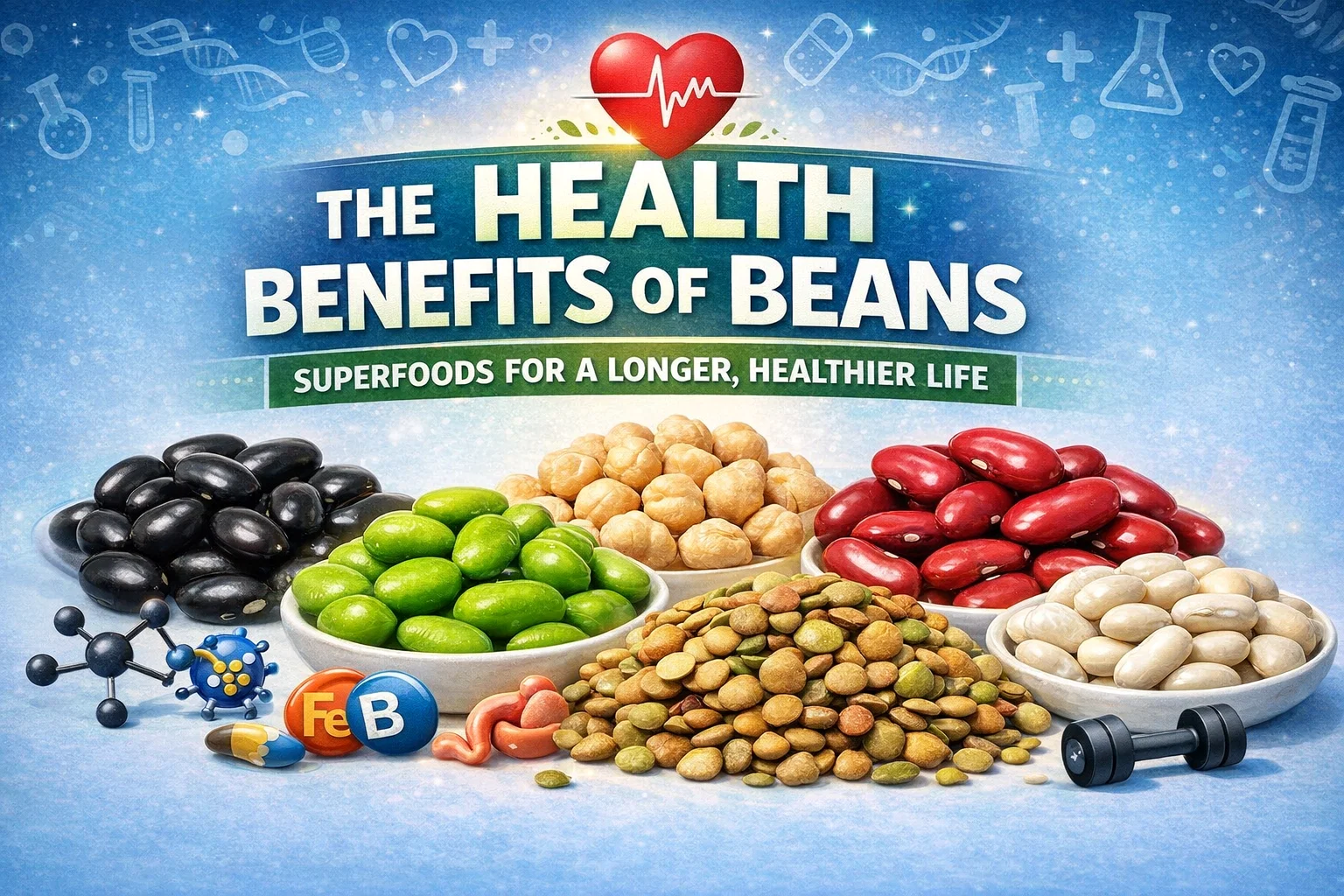
6 Best Beans For Your Health Their Nutrition Benefits
Welcome to your comprehensive guide to one of the most powerful and accessible superfoods on the planet. If you are exploring natural wellness and searching for simple, whole-food ways to upgrade your daily nutrition, you have likely encountered the humble legume. Often overlooked in favor of trendy, expensive supplements, beans are the true unsung heroes of a holistic health journey. They are affordable, incredibly versatile, and packed with an astonishing array of nutrients that support everything from a thriving microbiome to cellular repair. The phrase “eat beans, live longer” is not just a catchy dietary slogan. It is a scientifically backed principle observed in the longest-living populations around the globe.
Incorporating a variety of beans into your meals is a transformative step toward achieving optimal health. Whether you are building a robust plant-based lifestyle, looking to improve your digestive wellness, or simply wanting to add more nutrient-dense ingredients to your family dinners, legumes offer a foundation of pure, unadulterated nourishment. Today, we are going to dive deep into the healthy science of beans. We will explore the specific nutritional profiles of six of the best beans for your health, breaking down exactly what makes them so beneficial and how they can fuel your body from the inside out.
The Incredible Nutritional Foundation of Legumes
Before we explore the specific varieties, it is essential to understand why beans, as a botanical family, are so highly regarded in the world of nutrition. Legumes are unique because they perfectly straddle the line between a complex carbohydrate and a rich protein source. This dual nature makes them incredibly satiating. When you consume beans, you are providing your body with a slow, steady release of energy that prevents the rapid blood sugar spikes and crashes associated with processed foods.
Furthermore, beans are naturally low in fat and entirely free of cholesterol, making them a cornerstone of cardiovascular wellness. They are also universally recognized as one of the best sources of dietary fiber available in nature. Fiber is the critical component that fuels a healthy gut, aids in natural detoxification, and keeps your digestive system moving efficiently. By making legumes a staple in your pantry, you are investing in a whole-body approach to wellness that pays dividends for your long-term vitality.
Breaking Down the Best Beans for Your Health
Not all beans are created exactly equal. While they all share a baseline of incredible health benefits, different varieties boast unique concentrations of specific vitamins, minerals, and phytonutrients. Let us explore six exceptional choices that you should consider adding to your grocery list.
Black Beans: The Antioxidant Champions
Black beans are a nutritional powerhouse, easily distinguished by their dark, glossy exterior. That dark pigment is not just for show; it is a clear indicator of their incredibly high antioxidant content. Anthocyanins are the specific type of antioxidants found abundantly in black beans, and they are the exact same compounds that give blueberries their superfood status.
Antioxidants are vital for protecting your body at a cellular level. Every day, our bodies are exposed to oxidative stress from environmental factors, processed foods, and natural metabolic processes. This stress creates free radicals, which can damage cells and accelerate aging. The rich supply of antioxidants in black beans helps to neutralize these free radicals, promoting vibrant cellular health, supporting a strong immune system, and contributing to a radiant, natural glow from within. Additionally, black beans provide a substantial amount of protein and fiber, making them a perfect addition to salads, hearty soups, and nourishing grain bowls.
Kidney Beans: Fueling Heart Health and Providing Essential Fiber
Kidney beans are robust, flavorful, and incredibly satisfying. They are particularly renowned for their profound cardiovascular benefits. A significant part of their heart-protecting power comes from their massive concentration of soluble fiber. Soluble fiber is unique because it binds to cholesterol particles in your digestive system, helping to sweep them out of your body before they can be absorbed into your bloodstream.
By naturally helping to regulate cholesterol levels, kidney beans are a fantastic preventative food for maintaining a healthy heart over your lifespan. Beyond their cardiovascular benefits, the dense fiber content in kidney beans acts as a phenomenal prebiotic. Prebiotics are essentially the food that nourishes the beneficial bacteria living in your gut. A thriving gut microbiome is intimately linked to improved mood, better immune function, and enhanced nutrient absorption. Kidney beans are a staple in traditional chilies and stews, providing a hearty texture that easily replaces meat in plant-based recipes.
Chickpeas: A Prime Source of Protein and Folate
Also known as garbanzo beans, chickpeas have enjoyed a massive surge in popularity, and for very good reason. They are the star ingredient in hummus, a beloved staple of the Mediterranean diet, but their benefits extend far beyond delicious dips. Chickpeas are an exceptional source of high-quality plant-based protein, which is essential for repairing tissues, building muscle, and producing important enzymes and hormones.
Furthermore, chickpeas are notably high in folate, which is also known as vitamin B9. Folate is a crucial nutrient required for the synthesis of DNA and the proper division of cells. It is especially important during periods of rapid growth, but it remains essential for cellular repair and general vitality throughout your entire life. Roasting chickpeas with a blend of your favorite spices creates a crunchy, nutrient-dense snack that easily rivals highly processed potato chips.
Lentils: Packed with Iron and Vital B Vitamins
While technically a pulse rather than a true bean, lentils belong to the legume family and share the same incredible health profile. Lentils are microscopic nutritional giants. They are an absolute necessity for anyone looking to boost their iron intake naturally. Iron is the mineral responsible for transporting oxygen throughout your bloodstream to every organ and tissue in your body. When you lack iron, you may feel fatigued, sluggish, and unfocused. Lentils provide a robust, plant-based source of this vital mineral, helping to sustain your energy levels from morning until night.
In addition to iron, lentils are brimming with a complex of B vitamins. These vitamins are the spark plugs of your metabolism, helping your body convert the food you eat into usable, dynamic energy. One of the greatest practical advantages of lentils is their quick cooking time. Unlike larger beans, lentils do not require overnight soaking, making them a convenient, last-minute addition to weeknight dinners, comforting curries, and warm, nourishing salads.
Navy Beans: Your Best Friend for Smooth Digestion
Do not let their small size and mild flavor fool you; navy beans are heavy hitters when it comes to gastrointestinal wellness. If you are focused on improving your gut health and ensuring smooth, regular digestion, navy beans should be at the top of your dietary rotation. They boast one of the highest fiber contents of any widely available legume.
Shutterstock
This massive dose of dietary fiber acts like a broom for your digestive tract. It adds bulk to your stool, promotes regular bowel movements, and prevents sluggish digestion. Furthermore, the resistant starch found in navy beans ferments in the large intestine, producing short-chain fatty acids like butyrate. Butyrate is incredibly healing for the lining of your gut, reducing inflammation and supporting a strong intestinal barrier. Navy beans easily absorb the flavors of the broths and herbs they are cooked in, making them the perfect base for comforting, slow-cooked soups and traditional baked bean recipes.
Edamame: The Ultimate Complete Plant-Based Protein
Edamame, which are young, vibrant green soybeans harvested before they fully ripen, offer a slightly different nutritional profile than mature, dried beans. They are a staple in Asian cuisine and have become a beloved appetizer and snack worldwide. What sets edamame apart is that it provides a complete protein profile. This means it contains all nine essential amino acids that your body cannot produce on its own.
Finding complete proteins in the plant kingdom can sometimes be a challenge, making edamame an invaluable resource for those focusing on plant-based nutrition and muscle recovery. Alongside the high protein content, edamame is rich in vitamin K, which is essential for bone health and proper blood clotting. Steamed edamame pods lightly dusted with sea salt make for an engaging, healthy snack, while shelled edamame adds a wonderful texture and bright color to stir-fries, noodle dishes, and fresh summer salads.
How to Incorporate More Beans Into Your Daily Routine
Transitioning to a diet rich in beans is a simple process, but it helps to have a few strategies in place to maximize both flavor and digestion. If you are not used to eating a high-fiber diet, it is always wise to introduce beans gradually. Start with smaller portions and drink plenty of water throughout the day to help the fiber move smoothly through your system.
Embracing the ritual of cooking dried beans from scratch can be a deeply rewarding culinary practice. Soaking dried beans overnight not only drastically reduces their cooking time but also helps to break down phytic acid. Phytic acid is a natural compound that can sometimes interfere with the absorption of minerals. By soaking your beans, you are essentially unlocking their full nutritional potential and making them much easier for your body to digest. You can add a piece of kombu seaweed or a bay leaf to the boiling water to further aid in digestibility and impart a subtle, savory depth of flavor.
For convenience, canned beans are a perfectly healthy alternative, provided you choose varieties with no added salt or rinse them thoroughly under cold water before using them. Keep your pantry stocked with a variety of canned and dried legumes so you are always prepared to toss them into a quick meal. Blend white beans into smoothies for hidden creaminess, mash black beans into vegetarian burger patties, or puree chickpeas into a rich, savory dip for fresh vegetables.
The Undeniable Link Between Legumes and Longevity
When nutritional researchers study the “Blue Zones” around the world, which are regions where people consistently live vibrant, active lives well past the age of one hundred, they look for common dietary denominators. One of the most consistent findings across these diverse cultures, from Okinawa in Japan to the Mediterranean island of Sardinia, is a high daily consumption of beans and legumes.
Beans provide the foundational macronutrients and essential micronutrients required to sustain a long, healthy life. They protect the heart, nourish the brain, feed the microbiome, and provide clean, sustainable energy. By making the conscious decision to eat more beans, you are directly aligning your diet with the most successful, time-tested patterns of human longevity.
Conclusion
The science is exceptionally clear. Legumes are a profound gift from nature, offering an unmatched combination of protein, complex carbohydrates, fiber, and vital micronutrients. From the antioxidant-rich black bean to the digestion-soothing navy bean, each variety brings its own unique strengths to your kitchen table. Prioritizing these humble foods is one of the most effective, affordable, and delicious ways to take control of your natural wellness journey. Start experimenting with different recipes, explore new flavor combinations, and experience the transformative power of eating beans. Your body, your energy levels, and your long-term health will absolutely thank you for it.