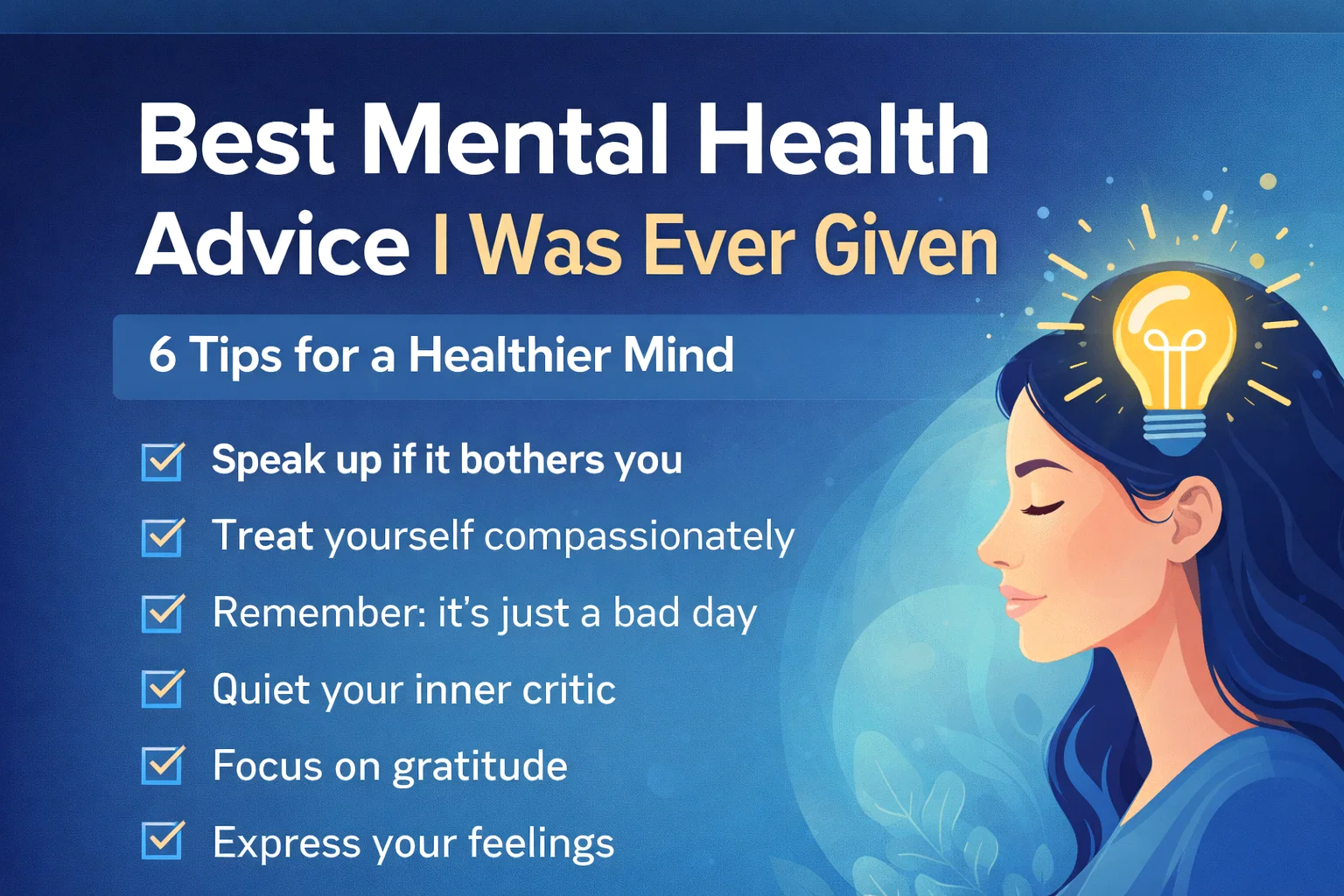
6 Best Mental Health Advice Self-Care Tips for Mindset Growth Anxiety Relief
Understanding that our mental well-being is just as important as our physical health is a foundational shift in modern living. Often, we find ourselves caught in a cycle of stress and self-doubt, forgetting that the mind requires consistent maintenance and gentle care. The wisdom shared in these six powerful lessons offers a roadmap for anyone looking to navigate the complexities of their inner world with more grace. By integrating these strategies into your daily routine, you can foster a resilient mindset that stands strong even when life feels overwhelming. Let us dive deep into these transformative pieces of advice and see how they can change your perspective on self-care and emotional intelligence.
1. The 24/48 Hour Rule for Healthy Communication
One of the most practical pieces of advice for maintaining healthy relationships and internal peace is the 24/48 hour rule. It suggests that if something bothers you, you should wait 24 hours to see if the feeling persists. If it does, you must speak up within 48 hours. This timeframe is crucial because it prevents impulsive reactions while ensuring that you do not suppress your feelings until they turn into resentment.
Avoiding the Trap of Passive-Aggression
When we hold onto grievances for too long, they tend to fester. What started as a small misunderstanding can grow into a major emotional barrier. By committing to the 48-hour window, you ensure that the issue is still fresh enough to be resolved constructively. This practice encourages transparency and teaches those around you how to treat you, which is a vital component of long-term mental stability.
The Power of Reflection
The initial 24-hour waiting period is equally important. It allows the first wave of high emotion to subside, giving you the clarity to determine if the issue is truly a boundary violation or just a fleeting moment of irritation. This pause helps you approach conversations from a place of logic rather than pure reactivity.
2. Treating Yourself Like a Responsibility
Most of us are incredible at taking care of others. We make sure our pets are fed, our children are supported, and our friends have a shoulder to cry on. However, we often neglect ourselves in the process. A profound shift happens when you begin to treat yourself like someone you are responsible for taking care of.
Moving Beyond Simple Indulgence
Self-care is frequently marketed as bubble baths and face masks, but true responsibility toward oneself is much deeper. It means making sure you get enough sleep, eating foods that nourish your body, and keeping the promises you make to yourself. When you view your own well-being as a non-negotiable duty, you stop settling for the leftovers of your time and energy.
Building Self-Trust through Accountability
By acting as your own guardian, you build a sense of self-trust. When you follow through on doctor appointments or set aside time for a hobby you love, you are sending a message to your subconscious that your needs matter. This reduces the feeling of being a victim of your own schedule and puts you back in the driver seat of your life.
3. Distinguishing Between a Bad Day and a Bad Life
In the heat of a difficult moment, it is easy to fall into catastrophic thinking. We hit one snag at work or have one argument with a partner, and suddenly we feel like our entire life is falling apart. Learning to compartmentalize a bad day is a superpower for mental health.
The Danger of Generalization
Our brains are wired to look for patterns, which can sometimes lead to negative generalizations. If you have a rough Tuesday, your mind might try to convince you that you are failing at everything. Recognizing this cognitive distortion allows you to say, “This is a hard day, but it is just twenty-four hours.” This simple acknowledgement prevents a temporary setback from defining your identity or your future.
Finding the Reset Button
Every morning offers a fresh start. By viewing each day as an independent unit, you give yourself permission to leave yesterday’s troubles in the past. This mindset encourages resilience and keeps hope alive, even during seasons of struggle.
4. Silencing the Critical Inner Judge
We all have an internal monologue, and for many of us, that voice is a harsh critic. This “critical judge” often points out our flaws and predicts failure. It is essential to remember that this voice does not tell the truth, and it certainly does not have your best interest at heart.
Questioning Your Thoughts
Just because you think something does not mean it is a fact. When you hear that inner voice saying you aren’t good enough, stop and challenge it. Ask for evidence. Usually, you will find that the critic is based on fear and past insecurities rather than your current reality. Learning to distance yourself from these intrusive thoughts is a key step in reclaiming your confidence.
Developing a Compassionate Observer
Instead of letting the judge run the show, try to develop the voice of a compassionate observer. This voice acknowledges mistakes without condemnation and offers encouragement instead of criticism. Over time, you can retrain your brain to default to kindness rather than judgment.
5. The Science of Gratitude and Anxiety
It is biologically difficult for the brain to experience intense gratitude and high anxiety at the exact same time. These two emotional states utilize different neural pathways. This is why looking for things to be grateful for is such an effective tool for managing anxiety.
Practical Gratitude in Moments of Stress
When you feel your heart racing or your mind spinning with “what-ifs,” try to name three specific things you are thankful for in that moment. It could be as simple as the warmth of your coffee or the comfort of your chair. This shifts the focus of your brain from a perceived threat to a state of safety and appreciation.
Creating a Long-term Gratitude Habit
While gratitude works as an emergency brake for anxiety, it is even more effective as a daily preventative measure. Keeping a gratitude journal or sharing a “win” of the day with a loved one helps rewire your brain to look for the good in your environment. This builds a psychological buffer that makes you less susceptible to anxiety triggers over time.
6. Reclaiming Your Space and Ending Excessive Apologies
Many of us have a habit of saying “I’m sorry” for things that require no apology. We apologize for taking up space, for having an opinion, or for simply expressing how we feel. This behavior can slowly erode our self-esteem and convince us that we are a burden to others.
Stop Apologizing for Existing
When you apologize for your feelings, you are essentially telling yourself and the world that your emotions are an inconvenience. Your feelings are valid data points about your experience. Instead of saying “I’m sorry for being so emotional,” try saying “Thank you for listening to me.” This shifts the dynamic from one of guilt to one of appreciation and connection.
The Importance of Emotional Validity
Expressing your feelings is a fundamental human right. When you stop apologizing for your internal state, you begin to take up the space you deserve in the world. This confidence naturally radiates outward, improving your social interactions and your relationship with yourself.
Conclusion: Integrating Wisdom into Daily Life
The journey toward better mental health is paved with small, intentional choices. Whether you are implementing the 24/48 hour rule to improve your communication or practicing gratitude to quiet your anxiety, each of these steps brings you closer to a balanced life. Remember that personal growth is not about being perfect; it is about being present and kind to yourself along the way.
Take these six pieces of advice and treat them as tools in your wellness kit. Some days you might need to focus on silencing your inner critic, while other days you might need to remind yourself that a bad afternoon does not equal a bad life. By being proactive and protective of your peace, you create a foundation for lasting happiness. Stay consistent, stay curious about your own mind, and never stop advocating for your own well-being.