6 Botanical DIY Remedies for Seasonal Respiratory Relief Natural Lung Health Tips
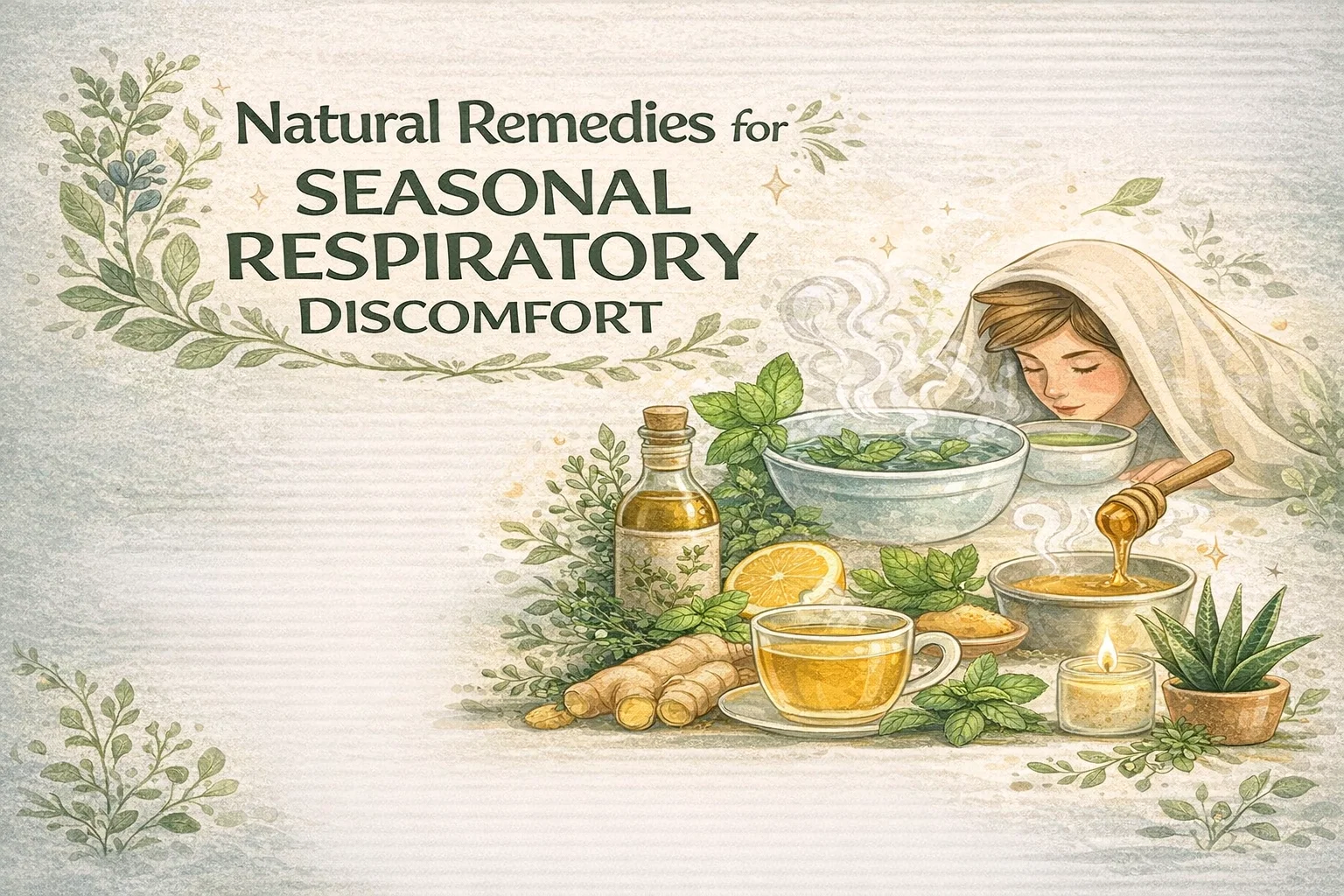
Finding relief during the changing seasons does not always require a trip to the local pharmacy. For centuries, people have turned to the natural world to soothe their respiratory systems and find comfort when the air gets crisp or pollen counts soar. The image above beautifully captures the essence of botanical healing, offering a roadmap to nature powered lung relief that you can easily recreate in your own kitchen. This guide explores the science and tradition behind these six essential DIY remedies, helping you breathe easier using the simple power of plants.
The Power of Steam Inhalation with Mint and Eucalyptus
One of the most immediate ways to address seasonal respiratory discomfort is through the ancient practice of steam inhalation. When you breathe in warm, moist air, it helps to lubricate the nasal passages and throat, making it much easier for your body to process and clear out irritants. Adding specific botanicals like mint or eucalyptus takes this practice to a whole new level of effectiveness.
How Mint Opens the Airways
Peppermint and other mint varieties contain menthol, a natural compound that acts as a decongestant. While many people think menthol actually clears the nose, it primarily works by stimulating the sensory receptors in the nose, creating a cooling sensation that makes you feel as though you are breathing more clearly. This psychological and physiological boost is incredibly helpful when you feel “stuffed up.”
The Antiseptic Properties of Eucalyptus
Eucalyptus is a powerhouse for respiratory health. It contains a compound called eucalyptol, which has been studied for its ability to reduce inflammation and break down mucus. By adding eucalyptus leaves or a few drops of high quality essential oil to a bowl of steaming water, you create a potent vapor that targets deep congestion and provides a refreshing, medicinal aroma that clears the head and the chest.
Ginger and Turmeric: The Anti-Inflammatory Duo
Inflammation is often the root cause of the “tight” feeling in the chest during allergy season or a cold. Bringing together ginger and turmeric creates a warm, golden drink that acts as a natural systemic anti-inflammatory. These two roots are staples in Ayurvedic medicine for a reason: they work harmoniously to soothe the body from the inside out.
Why Ginger Works for Lung Relief
Ginger is well known for its warming properties. It helps to increase circulation and break down toxins in the respiratory tract. Its bioactive compounds, such as gingerol, have potent antioxidant effects that support the immune system while directly calming the smooth muscles of the airways.
The Golden Benefits of Turmeric
Turmeric contains curcumin, which is perhaps one of the most studied natural anti-inflammatories in the world. When your respiratory tissues are irritated, they become swollen and sensitive. Curcumin helps to dampen this inflammatory response. Pro tip: always add a tiny pinch of black pepper to your ginger and turmeric drink. The piperine in black pepper increases the absorption of curcumin by up to 2,000 percent.
Crafting a Basil and Thyme Herbal Syrup
Store bought cough syrups often contain artificial colors, high fructose corn syrup, and synthetic flavors. A DIY botanical syrup using basil and thyme is a much cleaner, more holistic alternative that specifically targets the buildup of mucus in the lungs.
Thyme as an Expectorant
Thyme is a classic culinary herb, but in the world of herbalism, it is prized as an expectorant. This means it helps the body “expel” or loosen mucus. Thyme contains thymol and carvacrol, which have antimicrobial properties. When brewed into a concentrated syrup, it helps to thin out thick phlegm, making coughs more productive and less painful.
The Soothing Nature of Basil
Basil is not just for pesto. It has mild antihistamine properties that can be very beneficial for those suffering from seasonal allergies. Adding basil to your syrup provides a layer of protection for the lining of the throat and helps to reduce the spasms that lead to dry, hacking coughs.
Aloe Vera Juice for Irritated Airways
Most people associate aloe vera with sunburns, but its “mucilaginous” properties make it an incredible internal remedy as well. When your throat feels scratchy or your chest feels “raw” from coughing, aloe vera acts like a liquid bandage for your internal tissues.
Coating and Protecting the Throat
The gel-like substance inside the aloe leaf is rich in acemannan, a complex carbohydrate that supports immune function. When consumed as a juice, it coats the mucous membranes of the respiratory tract. This cooling coating reduces the friction caused by breathing and coughing, allowing the delicate tissues time to heal without constant irritation.
Hydration and Respiratory Health
Staying hydrated is the golden rule of respiratory health, and aloe vera juice is an excellent way to boost your fluid intake. Well hydrated membranes are much more efficient at trapping and moving out dust, pollen, and bacteria. Aloe ensures that your “internal filtration system” stays moist and functional.
The Refreshing Ease of Peppermint Tea
Sometimes the simplest remedies are the most effective. A hot cup of peppermint tea is a dual action treatment: you get the benefits of the warm liquid soothing your throat and the aromatic menthol vapors clearing your sinuses as you sip.
Menthol and the Sensation of Airflow
As mentioned with steam inhalation, menthol is the star player here. Peppermint tea is naturally caffeine free, making it a perfect remedy for the evening when respiratory symptoms often feel worse. It helps to relax the muscles of the throat and bronchi, which can be especially helpful if you are experiencing “shortness of breath” due to mild congestion.
A Quick and Portable Solution
While some botanical remedies require prep time, tea is instant. Keeping peppermint tea bags in your desk at work or in your travel bag ensures you have a respiratory aid whenever you need it. It is a gentle way to stay ahead of seasonal discomfort throughout the day.
Improving Air Quality with Indoor Plants
Respiratory health is not just about what you put into your body; it is also about the environment you live in. The air inside our homes can often be more polluted than the air outside due to dust, pet dander, and volatile organic compounds (VOCs). Certain indoor plants act as natural air filters, scrubbing the air and releasing fresh oxygen.
The Best Plants for Breathing
Snake plants (Sansevieria) are unique because they convert CO2 into oxygen at night, making them the perfect bedroom companion for better sleep. Peace Lilies are excellent at breaking down common indoor toxins like benzene and formaldehyde. By filling your living space with these botanical allies, you reduce the workload on your lungs.
Natural Humidity Control
Plants also release moisture through a process called transpiration. This adds a slight, natural humidity to the air, which prevents your nasal passages from drying out in the winter or in air conditioned environments. It is a passive, beautiful way to support your long term lung health.
Tips for Success with Botanical DIY Remedies
To get the most out of these nature powered solutions, quality and consistency are key. Always try to source organic herbs when making teas or syrups to ensure you are not introducing pesticides into your system. When using essential oils for steam inhalation, look for “therapeutic grade” labels and use them sparingly, as they are highly concentrated.
It is also important to listen to your body. Botanical remedies are fantastic for “discomfort” and general wellness support, but they are not a substitute for professional medical advice if you are experiencing severe symptoms. Think of these as your first line of defense and a way to nourish your body through the seasons.
Embracing a Holistic Lifestyle
The journey to better respiratory health is often a combination of small, mindful choices. Growing your own herbs, brewing your own teas, and surrounding yourself with greenery creates a lifestyle that prioritizes wellness. These DIY remedies do more than just clear a stuffy nose; they reconnect you with the healing rhythms of nature.
By keeping these six remedies in your wellness toolkit, you are prepared to handle whatever the seasons throw your way. Whether it is a warm mug of ginger and turmeric or a refreshing session of eucalyptus steam, you have the power to support your lungs naturally and effectively right at home.
Conclusion
Taking control of your respiratory health does not have to be complicated or expensive. As we have seen through these six botanical remedies, the ingredients for relief are often already in your pantry or growing in your garden. From the immediate clearing power of steam to the long term air purifying benefits of indoor plants, nature provides everything we need to breathe easier. Next time you feel that seasonal tickle in your throat or weight in your chest, reach for these plant based solutions and experience the soothing, restorative power of the botanical world. Your lungs will thank you!
Would you like to learn more about specific herbal recipes or perhaps see a guide on how to grow these healing plants in your own home? Stay tuned for more natural wellness tips!