6 Creative Bamboo Trellis Garden Support Ideas for Vertical Gardening
Transforming a standard garden into a vertical masterpiece is one of the most rewarding projects any homeowner can undertake. If you have ever looked at your backyard and felt it lacked structure or wondered how to squeeze more produce out of a small footprint, vertical gardening with bamboo and timber is the answer. By moving your plants off the ground and into the air, you open up a world of aesthetic beauty and botanical health that traditional flat rows simply cannot match.
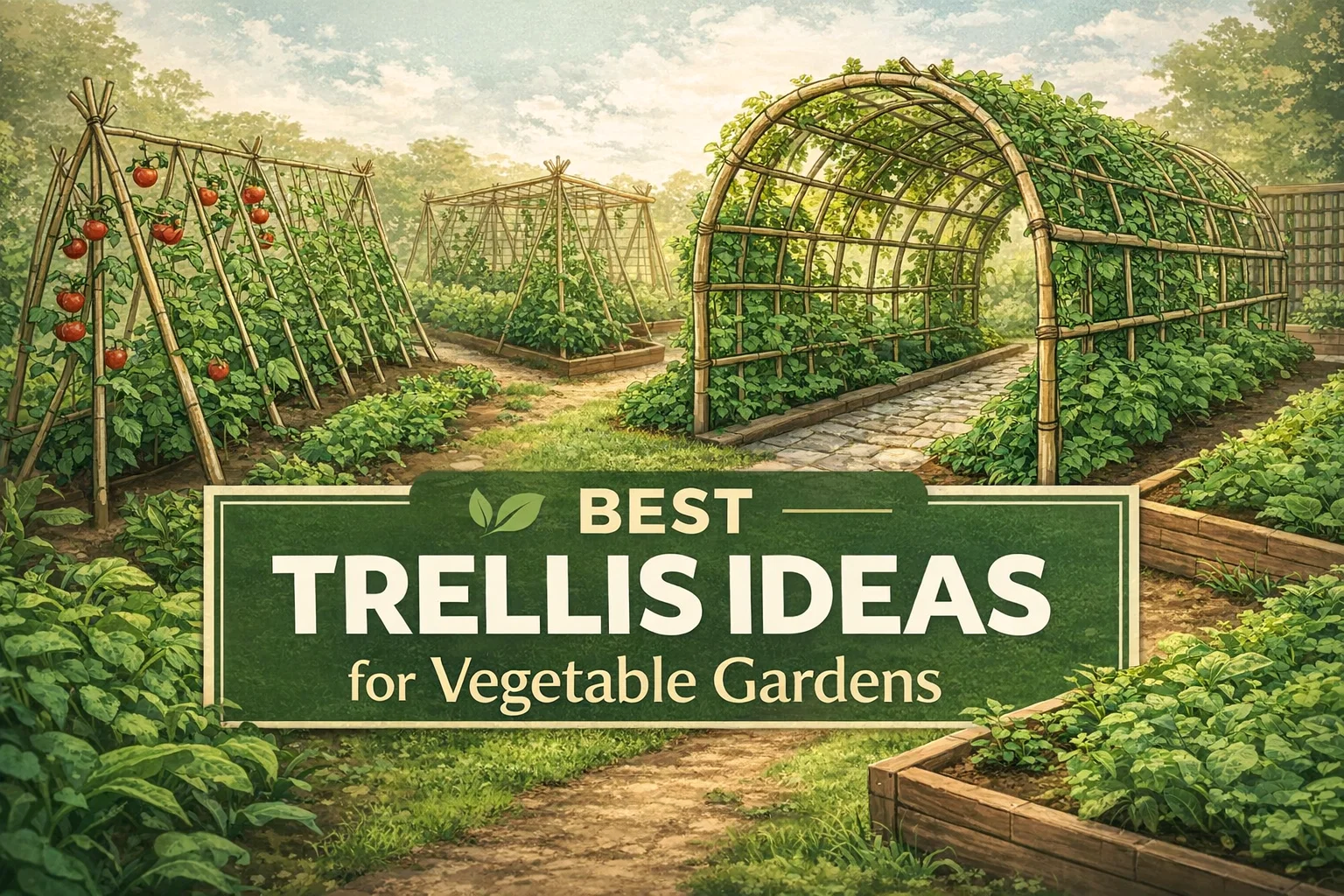
The image we are looking at highlights several ingenious ways to use natural materials like bamboo to create functional art. From sweeping archways that lead you through a shaded walkway to sturdy A-frame structures designed to bear the weight of heavy heirloom tomatoes, these designs prove that garden supports are more than just utility. They are the skeleton of a thriving, living ecosystem. Let us dive deep into how you can implement these specific structures to elevate your gardening game this season.
The Magic of the Bamboo Archway
There is something inherently romantic and inviting about a garden archway. As shown in the visual guide, a bamboo archway serves a dual purpose. It creates a defined transition between different areas of your yard while providing a massive surface area for climbing plants. Bamboo is an ideal material for this because it is lightweight, incredibly strong, and naturally resistant to the elements when treated properly.
When you build a shaded walkway like this, you are creating a microclimate. Underneath the canopy of leaves, the temperature can be significantly cooler, making it a perfect spot for shade-loving ground plants or even a small stone path. Imagine walking through a tunnel draped in fragrant jasmine or heavy clusters of pole beans. It turns a chore like harvesting into a sensory experience.
Best Plants for Large Archways
- Wisteria and Honeysuckle: These flowering vines offer incredible fragrance and thick coverage.
- Runner Beans: They grow fast and their bright red flowers attract pollinators before turning into delicious pods.
- Grapes: A classic choice for an arbor, providing dangling fruit that is easy to pick from below.
Efficiency with the A-Frame Trellis
For the practical gardener focusing on food production, the A-frame trellis is a total game changer. This structure is specifically designed to save ground space while keeping fruit off the soil. When tomatoes or cucumbers sit on the ground, they are far more susceptible to rot, slugs, and soil-borne diseases. By training them up an A-frame, you ensure every leaf gets maximum sunlight and every fruit gets plenty of airflow.
The efficiency of an A-frame comes from its stability. The triangular shape is naturally resistant to wind and can support the immense weight of ripening vegetables without buckling. It also makes harvesting a breeze. Instead of hunching over and moving leaves around to find your produce, the vegetables hang down, clearly visible and easy to reach.
Building a Classic Teepee Trellis
The teepee trellis is perhaps the simplest and most iconic garden support. It is sturdy, easy to assemble with just a few long poles and some twine, and it looks wonderful in both modern and rustic garden settings. This structure is particularly well suited for pole beans and sweet peas. Because the poles meet at a single point at the top, the plants naturally congregate as they grow, creating a lush green pillar.
One of the best things about a teepee is its versatility. You can tuck a small teepee into a large pot for a balcony garden or line up several of them in a row to create a living wall. It is an excellent project for beginner DIYers because it requires no specialized tools. Just lean the poles together, lash them tightly at the top, and you are ready to plant.
The Large Bamboo Arbor as a Focal Point
If you have a larger landscape, a large bamboo arbor can serve as a stunning architectural focal point. Unlike a simple trellis, an arbor usually features a flat or slightly peaked roof section that connects two side supports. This creates a “room” feeling within the garden. It is perfect for supporting heavy vines like passionfruit or even small melons if you use netting for extra support.
Beyond its function for plants, a large arbor adds vertical interest to a flat yard. It draws the eye upward and gives the garden a sense of maturity and design. When using bamboo for this, the key is to use thicker stalks for the main vertical posts to ensure the structure can handle the weight of perennial vines that become heavier year after year.
Creating Beauty with Vine Archways
While some structures are all about the harvest, the vine archway is often about pure beauty. These are typically narrower and more delicate, ideal for flowering vines that create a “beautiful tunnel” effect. Imagine a pathway lined with these arches, each covered in climbing roses or clematis. It transforms a simple walk to the shed into a journey through a floral paradise.
Supporting a Vegetable Tunnel
You can also use these arched designs to create a vegetable tunnel. This is a popular technique in intensive gardening where you plant squash or gourds at the base and let the fruit hang through the mesh. Not only does this look incredible, but the weight of the gravity helps the gourds grow straighter and stay clean from dirt and pests.
Raised Beds and Wall Trellises
The final section of our visual guide shows how to integrate vertical elements into raised bed gardening. Many gardeners feel limited by walls or fences, but these are actually prime real estate for growing. By mounting wooden or bamboo lattices directly onto a wall behind your raised beds, you can grow upward without taking away any space from your root crops like carrots or radishes.
Wall-mounted trellises are perfect for herbs and smaller climbing flowers. They also act as a natural insulation for your home or garden walls, keeping them cooler in the summer. When you combine the controlled soil environment of a raised bed with the vertical reach of a trellis, you are utilizing every square inch of your gardening area effectively.
The Benefits of Vertical Gardening
Why should you choose vertical structures over traditional planting? The reasons are numerous and backed by horticultural science. First and foremost is air circulation. Fungal diseases thrive in damp, stagnant air. When plants are spread out vertically, the wind can move freely between the leaves, drying them out after rain and preventing mildew.
Secondly, pest management becomes much easier. When your fruit is hanging in the air, it is much harder for ground-dwelling insects to reach it. It also makes it easier for you to spot any issues early on. You can inspect the undersides of leaves without having to get down on your hands and knees. Plus, the increased sunlight exposure leads to faster ripening and often sweeter fruit.
Choosing the Right Materials
Bamboo is a standout choice for these projects because it is a sustainable resource. It grows incredibly fast and has a tensile strength that rivals some steels. However, if you prefer a more permanent look, cedar or pressure-treated lumber are great alternatives. Cedar is naturally rot-resistant and ages to a beautiful silvery gray that blends perfectly into a natural garden setting.
When assembling your structures, consider using natural jute or sisal twine for lashing. These materials are biodegradable and look much more “at home” in a garden than plastic zip ties or bright wire. For heavy-duty arbors, you may want to use stainless steel screws to ensure the joints stay secure through heavy storms and the weight of full-grown plants.
Conclusion
Vertical gardening is more than just a space saving hack. It is a way to bring structure, health, and a sense of wonder to your outdoor space. Whether you choose to build a grand bamboo archway or a simple teepee for your beans, adding height to your garden will completely change how you interact with your plants. It turns the act of growing food and flowers into a three dimensional art form.
Start small if you need to. Choose one corner of your garden and install a basic trellis this weekend. As you watch your plants climb and thrive, you will likely find yourself wanting to add more. Before you know it, you will have a lush, green sanctuary that provides both a bountiful harvest and a peaceful escape from the world. Happy gardening!