6 Essential Mental Health Lessons for Growth Self-Care Mindset Tips for Better Living
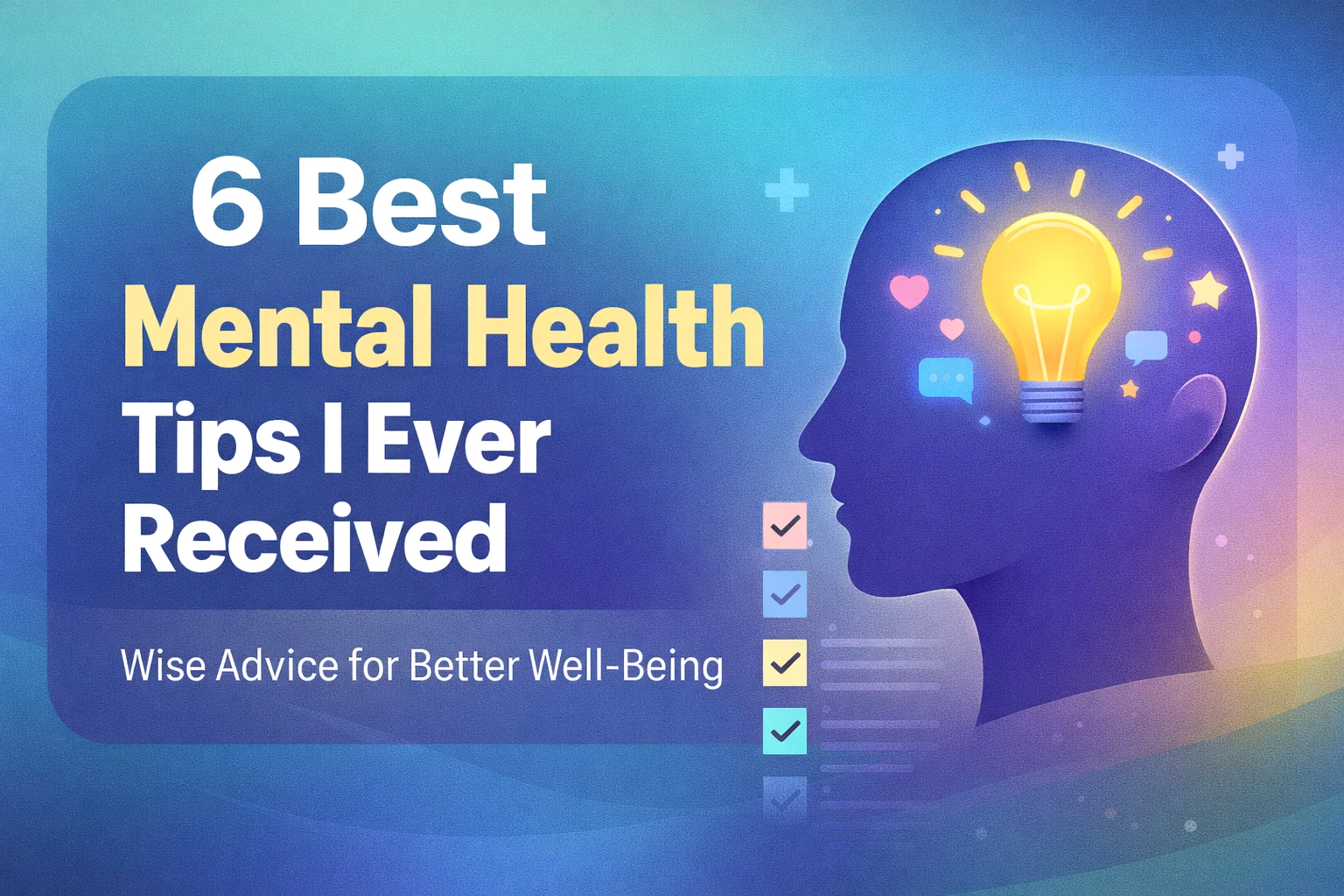
Taking care of our minds is just as critical as taking care of our bodies, yet it often feels like the one thing we push to the bottom of our to-do lists. We live in a world that celebrates the hustle and the grind, sometimes forgetting that our internal landscape dictates the quality of our external life. The image shared above highlights six profound pieces of mental health advice that serve as more than just quotes; they are practical strategies for living a more balanced, peaceful, and self-compassionate life. If you have ever felt overwhelmed by your own thoughts or struggled to set boundaries with others, these principles might be exactly what you need to hear today.
Mental health is not a destination you reach and then stop. It is a continuous journey of unlearning old patterns and adopting new, healthier ways of relating to yourself and the world. In this guide, we are going to dive deep into these six life-changing pieces of advice, exploring why they work and how you can actually apply them when life gets messy. Whether you are dealing with daily stress or looking for long-term personal growth, these insights offer a roadmap to a more resilient mindset.
1. The 24-48 Hour Rule for Communication
The first piece of advice is a game-changer for anyone who struggles with confrontation or tends to suppress their feelings. The rule is simple: If something bothers you after 24 hours, you should speak up within 48 hours. This timeframe is intentional and serves two very specific purposes for your emotional well-being.
The Importance of the Cooling-Off Period
Waiting 24 hours prevents us from reacting out of pure impulse. When someone says something hurtful or crosses a boundary, our immediate reaction is often defensive or angry. By giving yourself a full day to process, you allow the initial surge of cortisol and adrenaline to fade. This helps you determine if the issue is truly significant or if it was just a fleeting moment of irritation. If it still weighs on your heart after 24 hours, you know it is a valid concern that needs to be addressed.
Preventing the Build-Up of Resentment
The second half of the rule, speaking up within 48 hours, is designed to prevent “bottling up.” If you wait weeks or months to bring something up, the other person might not even remember the incident, and your frustration will have likely turned into deep-seated resentment. Addressing the issue quickly ensures the conversation is relevant and keeps the relationship transparent. It protects your peace by ensuring you aren’t carrying around unnecessary emotional baggage.
2. Treat Yourself Like Someone You Are Responsible For
It is a strange human phenomenon that we are often much kinder to others than we are to ourselves. If a friend was sick, we would make them tea and tell them to rest. If a child was crying, we would offer comfort and protection. Yet, when we are struggling, we often tell ourselves to “get over it” or “work harder.”
Shifting Your Perspective on Self-Care
When you view yourself as someone you are responsible for taking care of, your perspective shifts from self-indulgence to duty. You wouldn’t let someone you love skip meals, stay up until 3:00 AM every night, or listen to a constant stream of verbal abuse. Applying this mindset to yourself means prioritizing your sleep, your nutrition, and your environment. It is about becoming your own advocate and protector.
The Discipline of Self-Compassion
Self-care isn’t just about bubble baths and face masks. Real self-care is often disciplined. It is the act of making the doctor’s appointment you have been avoiding or setting a firm boundary with a toxic colleague. By treating yourself with the same responsibility you show to a pet or a family member, you reinforce the idea that your life has inherent value and deserves to be nurtured.
3. Remembering That a Bad Day is Not a Bad Life
We have all had those days where everything goes wrong. You spill your coffee, miss a deadline, or have an argument with a partner, and suddenly it feels like your entire life is falling apart. This is a cognitive distortion called overgeneralization, and it can be incredibly damaging to your mental state.
Breaking the Cycle of Catastrophizing
When we experience a setback, our brains sometimes try to convince us that this is our “new normal” or that we are destined for failure. Reminding yourself that a bad day is just a temporary collection of hours is vital. It allows you to create distance between the event and your identity. Just because today was difficult does not mean tomorrow won’t be full of opportunity and joy.
Finding the Reset Button
You don’t have to wait for a new day to start over. You can reset your mood at any moment. Whether it is through a five-minute meditation, a walk outside, or simply a deep breath, recognizing that your life is a long-form story—and today is just one page—helps keep things in perspective. Resilience is built in the moments when we choose to keep going despite a rough start.
4. Challenging the Critical Judge in Your Head
We all have an inner critic. That small, persistent voice that tells us we aren’t good enough, smart enough, or worthy of the things we want. The image reminds us of a crucial truth: that judge is not telling the truth, and it definitely doesn’t have your best interests at heart.
Recognizing the Voice of Fear
The inner critic is usually born out of fear or past experiences where we felt criticized. It is a defense mechanism that tries to keep us “safe” by preventing us from taking risks or putting ourselves out there. However, this voice is often biased and highly inaccurate. It ignores your successes and hyper-focuses on your flaws. Learning to identify this voice as a separate entity from your true self is the first step toward silencing it.
Replacing Criticism with Curiosity
Instead of accepting the judge’s verdict as fact, start asking questions. If your brain says, “You’re going to fail at this,” ask, “What evidence do I actually have for that?” Usually, you will find the evidence is thin. By challenging these thoughts, you diminish their power over your emotions and your actions. You are the observer of your thoughts, not the thoughts themselves.
5. The Science of Gratitude vs. Anxiety
One of the most powerful biological “hacks” for mental health is the understanding that the brain cannot be truly grateful and truly anxious at the exact same moment. They are two different emotional states that utilize different neural pathways.
How Gratitude Rewires the Brain
Anxiety is a state of lack and fear; it is focused on what might go wrong in the future. Gratitude, on the other hand, is a state of abundance and presence; it is focused on what is good right now. When you intentionally look for things to be grateful for—even small things like the warmth of the sun or a good cup of tea—you force your brain to switch gears. It interrupts the anxiety loop and grounds you in the present moment.
Implementing a “Gratitude Reset”
When you feel the physical symptoms of anxiety starting to take hold—a racing heart or shallow breathing—try to name three things you are grateful for. They don’t have to be monumental. This practice isn’t about ignoring your problems; it is about providing your nervous system with a “safety signal” that allows it to calm down. Over time, this builds a more optimistic default setting in your mind.
6. Stop Apologizing for Your Feelings
How many times have you said, “I’m sorry for being so emotional,” or “I’m sorry for venting”? When we apologize for our feelings, we are essentially telling ourselves and others that our internal experience is an inconvenience or a burden. As the image points out, this convinces you that you aren’t worth the space you take up.
The Validity of Your Emotions
Feelings are data. They are your body’s way of communicating how you are perceiving the world. Whether your feelings are “rational” or not, they are still happening, and they deserve to be acknowledged. When you stop apologizing, you begin to validate your own existence. You teach others how to treat you by showing them that your emotions are not something to be ashamed of.
Transitioning from Apology to Appreciation
Instead of saying “I’m sorry for crying,” try saying “Thank you for listening” or “I appreciate you giving me the space to express this.” This simple shift in language changes the dynamic from one of guilt to one of connection. It empowers you to be authentic and helps build deeper, more honest relationships with those around you.
The Path to Better Mental Well-Being
Implementing these six pieces of advice isn’t something that happens overnight. It takes practice, patience, and a lot of self-forgiveness. Some days you will be great at challenging your inner critic, and other days it might feel like the critic is winning. That is okay. The goal isn’t perfection; it is awareness.
By using the 24-48 hour rule, treating yourself with care, keeping your perspective on bad days, silencing the judge, practicing gratitude, and standing firm in your feelings, you are building a foundation of mental strength. These aren’t just “good ideas”—they are tools for survival and flourishing in a complex world.
Remember, you are worthy of the time and effort it takes to heal and grow. Which of these six tips feels the most relevant to your life right now? Perhaps start with just one this week and see how it shifts your energy. Your future self will thank you for the kindness you show yourself today.
Would you like me to expand on any of these points or perhaps help you draft a specific plan for implementing one of these habits into your daily routine?