6 Free DIY Natural Fertilizers You Probably Have At Home For Better Soil
Have you ever looked at your kitchen scraps and realized you were staring at a gold mine for your garden? Most of us toss out banana peels, eggshells, and coffee grounds without a second thought, but these everyday items are actually packed with the exact nutrients your plants crave. Shifting toward a more sustainable, organic approach to gardening does not have to be expensive or complicated. In fact, some of the best fertilizers in the world are completely free and already sitting in your pantry or sitting on your kitchen counter.
Embracing DIY natural fertilizers is about more than just saving money. It is about closing the loop on waste and feeding your soil with complex organic matter that commercial synthetic fertilizers simply cannot match. When you use home based soil boosters, you are not just feeding the plant; you are nourishing the entire ecosystem of microbes and earthworms that make your garden thrive. Let us dive deep into how you can transform your household waste into a lush, vibrant paradise.
The Magic of Banana Peels for Flowering Plants
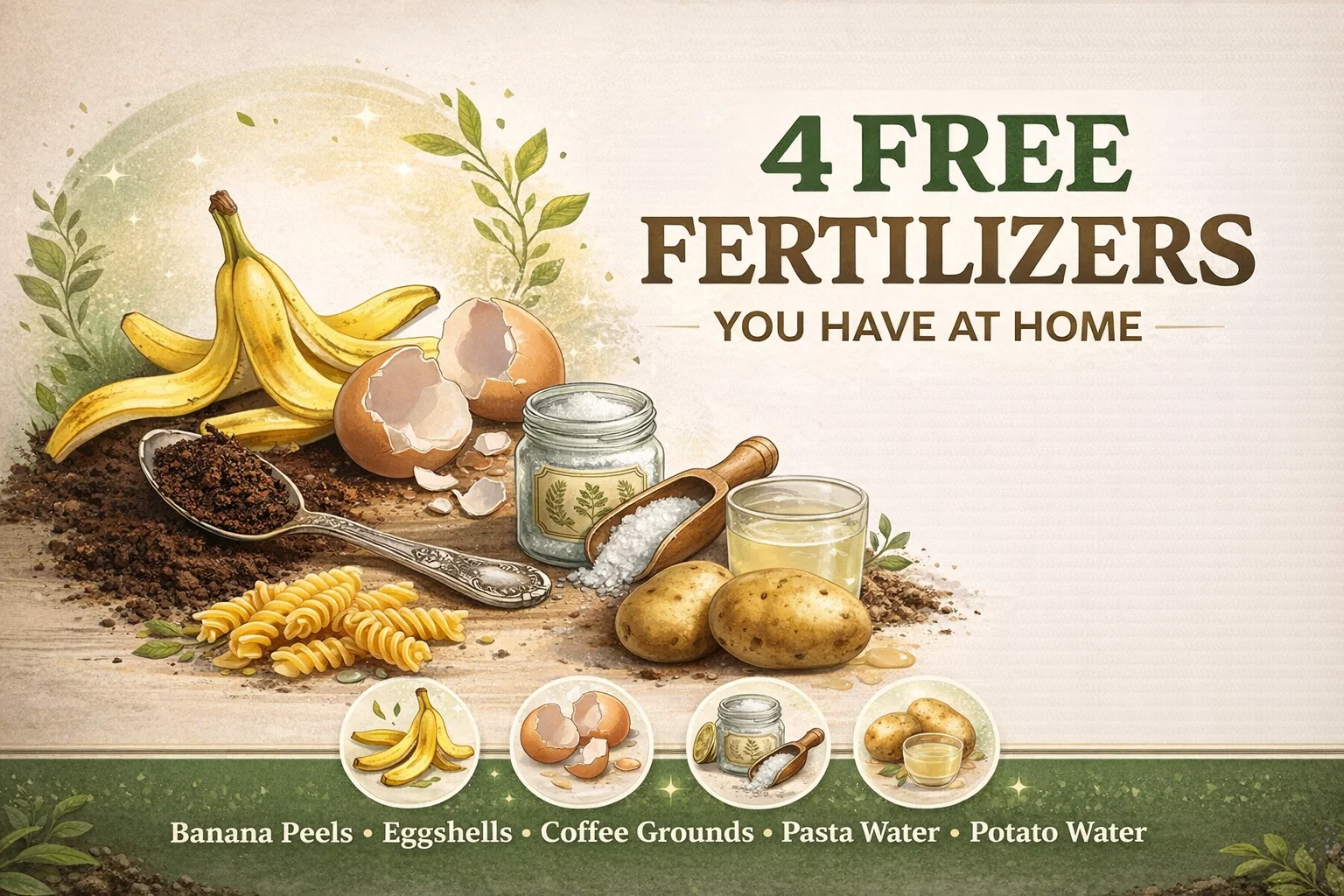
Bananas are famous for being a high potassium snack for humans, but they are just as beneficial for your green friends. Banana peels are incredibly rich in potassium, which is the primary nutrient responsible for moving water and nutrients between plant cells. This makes them an essential tool for any gardener looking to boost flowering and fruit production. If your roses are looking a bit tired or your tomato plants are struggling to set fruit, potassium might be the missing ingredient.
How to Use Banana Peels in the Garden
There are several ways to utilize this fruit scrap. The simplest method is to chop the peels into small pieces and bury them an inch or two deep near the base of your plants. As they decompose, they release potassium, phosphorus, and magnesium directly into the root zone. Another popular method is making banana peel tea. Simply soak the peels in a jar of water for forty-eight hours, then use that nutrient rich liquid to water your indoor or outdoor plants. This provides a quick liquid boost that is easily absorbed by the root system.
Eggshells: The Ultimate Calcium Supplement
If you find that your tomatoes are suffering from blossom end rot or your peppers seem stunted, you likely have a calcium deficiency in your soil. Eggshells are composed almost entirely of calcium carbonate, making them a fantastic slow release mineral supplement. Beyond just nutrition, eggshells play a vital role in maintaining the structural integrity of plant cell walls, which helps your garden resist diseases and environmental stress.
Improving Soil Structure and Drainage
Beyond the chemical benefits, eggshells provide a physical advantage to your soil. When crushed into a coarse powder, they help improve soil aeration and drainage. This is especially helpful in heavy clay soils that tend to compact easily. To get the best results, rinse your eggshells to remove any leftover whites, let them dry completely, and then grind them into a fine powder using a blender or mortar and pestle. The finer the powder, the faster the calcium becomes available to your plants. You can also sprinkle coarsely crushed shells on the soil surface to create a gritty barrier that deters soft bodied pests like slugs and snails.
Brewing Success with Used Coffee Grounds
Do not pour those morning coffee grounds down the drain. Used coffee grounds are a powerhouse of nitrogen, which is the nutrient responsible for lush, green, leafy growth. While fresh coffee grounds are acidic, the brewing process neutralizes most of that acidity, making used grounds safe for almost all plants. They are particularly loved by acid loving species like blueberries, azaleas, and hydrangeas, but even your lawn can benefit from a light sprinkling of grounds.
Attracting Earthworms and Beneficial Microbes
One of the coolest things about coffee grounds is how much earthworms love them. Earthworms are the original rototillers of the garden, and they are attracted to the organic matter in coffee. As they consume the grounds, they tunnel through the earth, creating pockets of air and leaving behind nutrient dense castings. Furthermore, coffee grounds act as a slow release fertilizer, breaking down over several weeks to provide a steady stream of nitrogen to your garden bed. Just be sure to work them into the soil or cover them with mulch to prevent them from drying out and forming a water resistant crust.
The Power of Epsom Salt for Magnesium and Sulfur
Epsom salt is a staple in many bathrooms for soaking sore muscles, but it belongs in your garden shed too. Technically known as magnesium sulfate, Epsom salt provides two critical nutrients that are often overlooked. Magnesium is the central atom in the chlorophyll molecule, meaning it is essential for photosynthesis. If your plant leaves are turning yellow while the veins stay green, you might be looking at a magnesium deficiency that Epsom salt can fix almost overnight.
Boosting Seed Germination and Pest Resistance
Many experienced gardeners swear by using Epsom salt during the planting phase. Adding a tablespoon to the hole when transplanting can help prevent transplant shock and encourage stronger root development. It is also known to help seeds sprout more reliably. Furthermore, some gardeners find that a foliar spray made of dissolved Epsom salt can help repel common garden pests while simultaneously giving the foliage a deeper, healthier green color. It is a simple, pH neutral way to ensure your plants have the mineral foundation they need to grow strong and resilient.
Nutrient Rich Water from Your Kitchen
We often forget that the water we use for cooking is filled with leached nutrients that usually go right down the sink. Pasta water and potato water are two of the best liquid fertilizers you can find. When you boil pasta or potatoes, starches and minerals are released into the water. Instead of discarding this liquid, you can use it to give your plants a biological boost that stimulates soil activity.
Feeding Soil Microbes with Starchy Water
Healthy soil is living soil. The starches found in pasta water act as a food source for the beneficial bacteria and fungi living in your potting mix or garden beds. When these microbes are well fed, they work harder to break down organic matter and make nutrients available to your plants. Potato water is even better because it adds significant amounts of potassium and phosphorus to the mix. Just remember the golden rule of using kitchen water: it must be completely unsalted and cooled to room temperature before it ever touches your plants. Boiling salty water will harm your garden, but plain, cooled veggie water is like a probiotic drink for your soil.
Building a Sustainable Gardening Routine
The beauty of using these free fertilizers is that they fit perfectly into a daily routine. Instead of making a special trip to the store to buy a plastic jug of chemicals, you simply repurpose what you already have. This creates a more mindful connection to your food and your environment. Over time, you will notice that your soil becomes darker, richer, and more crumbly. This is the sign of high organic matter and a thriving microbial community.
Consistency is Key to Organic Success
Organic gardening is a marathon, not a sprint. While synthetic fertilizers give a quick, explosive burst of growth that often peters out quickly, natural fertilizers build long term health. By consistently adding eggshells, coffee grounds, and composted peels, you are building a reservoir of nutrition that stays in the soil for years. You do not need to use all of these at once. Start by picking one or two items you use frequently and begin incorporating them into your plant care schedule. Your garden will thank you with bigger harvests and more beautiful blooms.
Common Myths About DIY Fertilizers
Whenever you talk about home remedies, there are bound to be some misconceptions. One common myth is that putting a whole banana peel on top of the soil will attract pests. While this can happen if the peel is left exposed, simply burying it or turning it into a liquid tea solves the problem entirely. Another myth is that coffee grounds will make your soil too acidic. As mentioned before, the acid in coffee is water soluble, so it ends up in your cup, not the grounds. The used grounds are quite close to a neutral pH and are safe for a wide variety of plants.
Finding the Right Balance for Your Plants
It is also important to remember that more is not always better. Even natural ingredients should be used in moderation. For example, while Epsom salt is great, overusing it in soil that already has high magnesium levels can lead to other nutrient imbalances. The best approach is to observe your plants. They are excellent communicators. If they look happy and green, you are doing a great job. If they show signs of yellowing or stunted growth, then it is time to reach for one of these kitchen staples to provide a targeted nutrient boost.
Conclusion: Your Kitchen is the Key to a Green Thumb
Growing a stunning garden does not require a massive budget or a degree in horticulture. By looking at your household waste through a new lens, you can unlock a world of potential for your plants. Banana peels, eggshells, coffee grounds, Epsom salt, and starchy cooking waters provide a comprehensive spectrum of the essential elements your garden needs to thrive. These methods are safe for your family, healthy for the planet, and incredibly rewarding for any gardener.
Next time you finish your morning coffee or peel a potato for dinner, take a moment to give back to the earth. These small, daily actions add up to a significant impact on your soil health and plant vitality. Start experimenting with these free fertilizers today and watch as your garden transforms into a lush, productive sanctuary. There is no better feeling than knowing your beautiful flowers and delicious vegetables were grown using the simple, natural resources found right inside your own home.