6 Powerful Natural Painkillers Ancestral Remedies for Pain Relief
Welcome to a fascinating journey back to the roots of healing. Long before the aisles of modern pharmacies were lined with synthetic pills, colorful syrups, and brightly packaged quick fixes, our ancestors relied on the profound wisdom of the earth. They possessed a deep, intuitive understanding of botany and utilized the potent plants growing in their own backyards to soothe ailments, manage discomfort, and promote overall well-being. Today, as many of us seek holistic and gentle alternatives to conventional medicine, we are rediscovering these powerful natural painkillers. By exploring the ancestral apothecary, we can tap into centuries of healing traditions that support our bodies naturally and effectively.
The concept of using food and herbs as medicine is as old as humanity itself. Ancient healers, from Ayurvedic practitioners in India to indigenous medicine men and women across the globe, recognized that nature provides an abundant pharmacy. These traditional remedies were not just about masking symptoms. They were designed to work harmoniously with the body, addressing root causes like systemic inflammation, poor circulation, and nervous system imbalances. In this comprehensive guide, we are going to explore six incredibly effective, time-tested natural remedies that you likely already have in your kitchen pantry or garden.
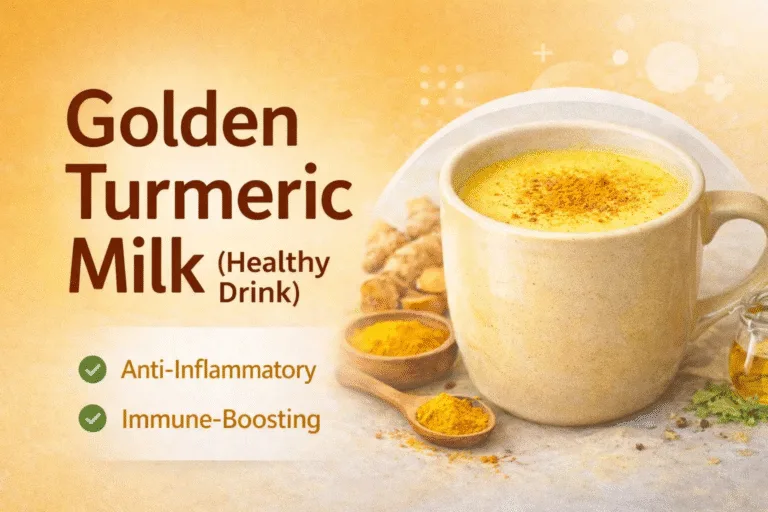
The Golden Healer: Turmeric for Inflammation and Joint Health
If there is one spice that has captured the attention of both ancient healers and modern scientists alike, it is turmeric. This vibrant, golden-hued root is a staple in Ayurvedic and Traditional Chinese Medicine, revered for its profound systemic benefits. The secret to the healing power of turmeric lies in its primary active compound, known as curcumin. Curcumin is a formidable antioxidant and anti-inflammatory agent that operates on a molecular level to suppress inflammatory pathways in the body.
For individuals dealing with chronic joint discomfort, arthritis, or muscle soreness, turmeric acts as a highly effective natural intervention. Instead of merely blocking pain signals temporarily, curcumin helps to reduce the swelling and inflammation that cause the pain in the first place. Studies have shown that its effectiveness can rival that of over-the-counter anti-inflammatory drugs, but without the harsh side effects on the digestive system.
How to Incorporate Turmeric into Your Routine
- Golden Milk: A soothing evening beverage made by simmering turmeric, ginger, cinnamon, and a milk of your choice.
- Culinary Spice: Add generous pinches of organic turmeric powder to soups, stews, roasted vegetables, and rice dishes.
- The Black Pepper Synergy: Curcumin is notoriously difficult for the body to absorb on its own. Always pair turmeric with a pinch of black pepper. Piperine, the active compound in black pepper, enhances the absorption of curcumin by an astonishing two thousand percent.
Clove: The Ancient Anesthetic for Dental Distress
Anyone who has ever experienced the piercing, relentless ache of a tooth problem knows that finding immediate relief is the only thing that matters. Centuries before modern dentistry and synthetic anesthetics were available, healers reached for clove. These small, aromatic flower buds native to Indonesia pack an incredibly powerful punch when it comes to localized pain relief.
The magic of clove comes from a chemical compound called eugenol. Eugenol acts as a natural anesthetic and an antibacterial agent. When applied directly to a sore tooth or inflamed gums, eugenol numbs the nerve endings, providing rapid and significant relief. Furthermore, its antiseptic properties help to combat the bacteria that often accompany dental infections, making it a dual-action remedy.
Safe Application of Clove
- Whole Cloves: Gently chewing on a whole clove and allowing it to rest against the affected tooth can release its numbing oils directly onto the site of the pain.
- Clove Essential Oil: This is a highly concentrated and potent option. It is crucial to dilute a single drop of clove oil in a carrier oil, like olive or coconut oil, before applying it to the gums with a cotton swab to avoid tissue irritation.
- Mouth Rinse: Steeping a few whole cloves in hot water creates a soothing, antibacterial mouthwash that can promote overall oral health.
Cayenne Pepper: The Fiery Fix for Nerve and Arthritis Ache
It might seem entirely counterintuitive to apply something hot and spicy to a painful, inflamed joint, but cayenne pepper is a masterclass in how nature works in mysterious ways. This fiery red pepper has been used for millennia by Native Americans for both culinary and medicinal purposes. The healing power of cayenne is derived from capsaicin, the very compound that gives the pepper its intense heat.
Shutterstock
Capsaicin works through a fascinating biological mechanism. When applied topically to the skin, it initially stimulates the release of a neurotransmitter called Substance P, which is responsible for sending pain messages to the brain. However, with repeated application, capsaicin effectively depletes the local reserves of Substance P. Once Substance P is depleted, the pain signals can no longer be transmitted efficiently, resulting in profound and lasting pain relief. This makes it exceptionally beneficial for localized nerve pain, neuropathy, and arthritic joints.
Harnessing the Heat of Cayenne
- Homemade Salves: You can create a potent topical ointment by gently infusing cayenne powder into a carrier oil like olive or jojoba oil, and then thickening it with natural beeswax.
- Dietary Addition: Consuming cayenne pepper internally also provides systemic anti-inflammatory benefits and boosts circulation, which helps deliver oxygen and nutrients to damaged tissues.
- A Word of Caution: Always wash your hands meticulously after handling cayenne powder or capsaicin creams to prevent transferring the spicy compound to your eyes or mucous membranes.
Ginger Root: Systemic Calming and Restful Sleep
Ginger is a close botanical relative to turmeric, and it shares an equally impressive resume of healing properties. While it is most famous globally as a remedy for nausea and digestive upset, fresh ginger root is also a phenomenal natural painkiller. Ancient practitioners understood that physical pain and the nervous system are intimately connected. Ginger serves as a bridge, calming the nervous system while simultaneously reducing physical inflammation.
The active compounds in ginger, known as gingerols and shogaols, are potent inhibitors of prostaglandin synthesis. Prostaglandins are lipid compounds that control processes such as inflammation, blood flow, and the formation of blood clots. By regulating these compounds, ginger acts as a systemic anti-inflammatory. Furthermore, a calm digestive system and reduced systemic inflammation directly contribute to a calmer nervous system, which in turn improves sleep quality. Restorative sleep is the time when the body undergoes its most critical healing and tissue repair.
Enjoying the Benefits of Ginger
- Fresh Ginger Tea: Simmering freshly grated ginger root in water for ten to fifteen minutes creates a deeply comforting and therapeutic tea.
- Poultices: Grated ginger can be applied topically as a poultice to stimulate circulation and bring warming relief to stiff, aching muscles.
- Daily Smoothies: Adding a small chunk of fresh peeled ginger to your morning green smoothie is an excellent way to proactively manage daily inflammation.
Onion and Garlic: Pungent Protectors Against Inflammation
They form the aromatic foundation of almost every savory dish across global cuisines, but onions and garlic are far more than just flavor enhancers. These humble alliums were considered essential medicines in ancient Egypt, Greece, and Rome. They are nutritional powerhouses packed with sulfur compounds, antioxidants, and profound healing potential.
Garlic is rich in a compound called allicin, which is released when the clove is crushed or chopped. Allicin is a broad-spectrum antimicrobial and a powerful anti-inflammatory agent. Onions, particularly red and yellow varieties, are incredibly high in quercetin, a flavonoid antioxidant that helps fight off free radicals and reduces swelling. Historically, both onions and garlic were used in poultices applied to the chest for respiratory ailments or directly onto wounds and inflamed joints to draw out infection and reduce localized pain.
Maximizing Allium Power
- Raw is Best: To get the maximum medicinal benefit, especially from the allicin in garlic, it is best consumed raw. If you must cook it, let chopped garlic sit for ten minutes before exposing it to heat to allow the beneficial compounds to fully develop.
- Infused Honeys: Fermenting crushed garlic cloves in raw honey creates a potent, sweet syrup that is excellent for soothing sore throats and boosting the immune system.
- Onion Poultice: While traditional, a warm onion poultice placed over the ear or chest is still a beloved home remedy for congestion and deep, throbbing aches.
White Willow Bark: Nature’s Original Aspirin
Long before the invention of the little white pills we find in modern medicine cabinets, there was the majestic white willow tree. The use of willow bark dates back thousands of years. Hippocrates, the ancient Greek physician often called the father of medicine, instructed his patients to chew on the bark of the willow tree to reduce fever and alleviate inflammation. It is one of the oldest documented natural remedies in human history.
The secret of white willow bark lies in a chemical called salicin. When consumed, the human body carefully converts salicin into salicylic acid, the very same compound that is the active ingredient in modern aspirin. Because the body processes it naturally, white willow bark tends to be gentler on the stomach lining than synthetic aspirin, making it a preferred choice for individuals seeking relief from tension headaches, lower back ache, and osteoarthritis.
Brewing the Bark
- Willow Bark Tea: The most traditional method of consumption is to simmer dried white willow bark in water for up to twenty minutes to extract the salicin, creating a bitter but highly effective medicinal tea.
- Tinctures: Liquid extracts of white willow bark offer a convenient and concentrated way to dose this natural pain reliever.
- Standardized Capsules: For those who dislike the bitter taste of the tea, natural health stores offer capsules containing standardized amounts of salicin for reliable dosing.
Embracing Ancestral Wisdom in a Modern World
Building a home apothecary filled with these incredible ancestral remedies is a deeply empowering step toward holistic health. Turmeric, clove, cayenne, ginger, alliums, and white willow bark remind us that the earth provides abundant resources for healing and comfort. By understanding how to use these powerful plants, we can handle everyday aches and pains with confidence and natural grace.
It is important to remember that natural does not always mean harmless. Plants are powerful medicine. If you are currently taking prescription medications, especially blood thinners, or if you are dealing with chronic and severe medical conditions, it is absolutely essential to consult with a qualified healthcare provider or a certified herbalist before adding strong medicinal herbs to your daily routine.
Nature has provided us with a magnificent, resilient toolkit. By blending the wisdom of our ancestors with the careful application of modern understanding, we can cultivate a lifestyle that truly supports long-term vitality and pain-free living. Start small, experiment with a soothing ginger tea or a golden milk nightcap, and begin your own journey into the remarkable world of natural, ancestral healing.