6 Quick Easy Pickled Vegetables and Fruits Recipes Homemade Pickling Guide
Welcome to the colorful world of quick pickling! If you have ever opened a jar of store-bought pickles and felt underwhelmed by the soggy texture or the lackluster flavor, you are in for a treat. Home pickling is one of the most rewarding kitchen projects you can undertake. It is surprisingly simple, incredibly versatile, and the results are far superior to anything you will find on a grocery store shelf. From the earthy crunch of Brussels sprouts to the surprising sweetness of pickled blueberries, the possibilities are truly endless.
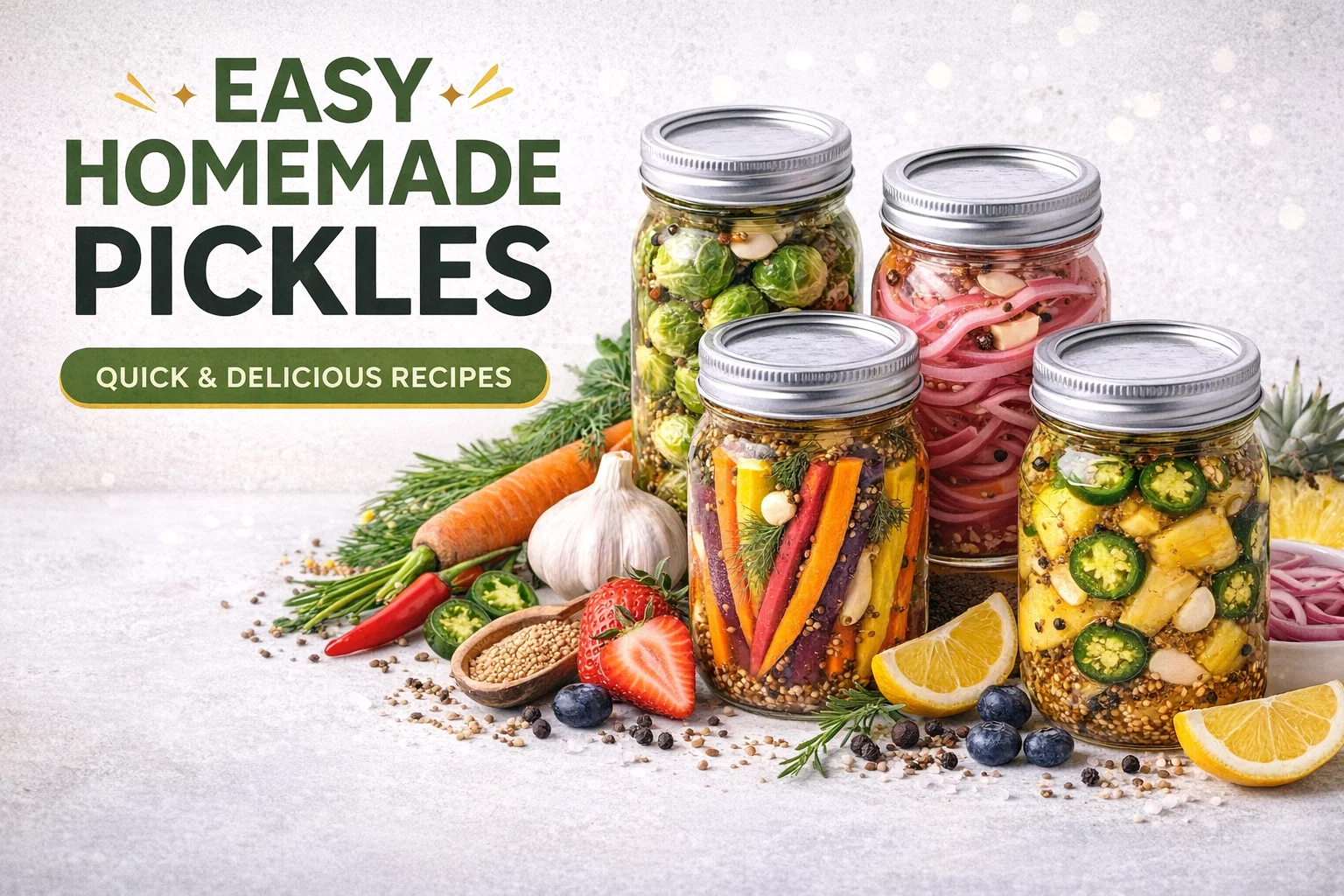
The image we are looking at today is a masterclass in modern preservation. It showcases six distinct and vibrant recipes: Pickled Brussels Sprouts, Pickled Red Onion, Pickled Rainbow Carrots, Pickled Jalapeno Pineapple, Pickled Strawberries, and Pickled Blueberries. Each jar is a work of art, packed with fresh ingredients, aromatic spices, and a perfectly balanced brine. In this guide, we are going to dive deep into these recipes, explore the science of the quick pickle, and give you the confidence to start your own pickling journey.
The Magic of the Quick Pickle
Before we get into the specific recipes, let us talk about what makes a quick pickle so special. Unlike traditional fermentation or long-term canning, quick pickles (also known as refrigerator pickles) do not require weeks of waiting or specialized pressure canning equipment. You simply create a brine, pour it over your prepared produce, let it cool, and pop it in the fridge.
The secret lies in the acidity of the vinegar. This acidity acts as a mild preservative while simultaneously infusing the vegetables or fruits with a sharp, bright tang. Because these are not heat-processed for shelf stability, the produce retains more of its natural crunch and vibrant color. This makes them the perfect weekend project for anyone looking to add a gourmet touch to their meals without a massive time commitment.
Essential Ingredients for Success
To achieve the results seen in the beautiful jars of rainbow carrots and red onions, you need to start with high-quality basics. While pickling is forgiving, small choices in your ingredients can make a big difference in the final flavor profile.
The Vinegar Base
For most savory pickles, like the Brussels sprouts and carrots, a standard white vinegar or apple cider vinegar is the gold standard. White vinegar provides a clean, sharp acidity that allows the flavor of the vegetables and spices to shine. Apple cider vinegar, on the other hand, adds a slightly fruity, mellow note that works beautifully with the pickled blueberries or the jalapeno pineapple mix. For the strawberries, the recipe calls for white balsamic vinegar, which offers a sophisticated, floral sweetness that standard vinegars simply cannot match.
Salt and Sugar
Salt is not just for flavor; it helps draw out moisture and keeps your vegetables crisp. Always use kosher salt or pickling salt. Avoid table salt, as the anti-caking agents can make your brine look cloudy and unappealing. Sugar is the balancing act. It rounds out the harshness of the vinegar. Even in savory recipes like the red onions, a touch of sugar creates that addictive sweet-and-sour profile that keeps you coming back for more.
Deep Dive: Pickled Brussels Sprouts and Rainbow Carrots
Let us look at the savory stars of our collection. Pickled Brussels sprouts are a game-changer for charcuterie boards. By trimming them and soaking them in a brine of white vinegar, garlic, mustard seeds, and red pepper flakes, you transform a traditionally bitter vegetable into a zesty, crunchy snack. The addition of black peppercorns adds a subtle heat that lingers on the palate.
Then we have the pickled rainbow carrots. These are perhaps the most visually stunning of the bunch. By cutting them into sticks, you create a perfect vessel for the brine to penetrate. The combination of garlic, dill, and thyme sprigs creates an herbaceous profile that feels like a garden in a jar. Using rainbow carrots instead of standard orange ones adds a level of sophistication that makes these a fantastic gift for friends and family.
Exploring the Sweet and Spicy: Jalapeno Pineapple
One of the most exciting recipes in the image is the Pickled Jalapeno Pineapple. This is a brilliant example of flavor contrast. The heat of the jalapeno rings is perfectly offset by the tropical sweetness of the fresh pineapple. This recipe introduces a secret weapon: fresh ginger. Ginger adds a zingy, aromatic top note that bridges the gap between the spicy peppers and the sweet fruit. This particular pickle is incredible on fish tacos, grilled chicken, or even chopped up into a fresh salsa.
The Gourmet Side: Pickled Strawberries and Blueberries
If you have never tried pickled fruit, you are missing out on a culinary secret used by high-end chefs worldwide. Pickled strawberries, infused with cinnamon, star anise, and lemon peel, are a revelation. The white balsamic vinegar preserves the integrity of the berry while adding a complex acidity. These are not meant to be eaten like a snack; instead, try them paired with a creamy goat cheese, tossed into a spinach salad, or served alongside roasted duck.
The pickled blueberries follow a similar logic but use apple cider vinegar and rosemary. The rosemary adds a woody, savory element that makes the blueberries feel less like a dessert and more like a sophisticated accompaniment to savory dishes. The lemon peel in both recipes provides a citrusy brightness that lifts the heavier spice notes of the cinnamon and star anise.
Choosing Your Spices
The image shows a variety of whole spices like mustard seeds, peppercorns, and star anise. Using whole spices is crucial for two reasons. First, they look beautiful in the jar, creating that rustic, artisanal aesthetic. Second, they infuse the brine slowly, ensuring the flavor is deep and nuanced rather than overwhelming. Feel free to experiment with your own blends, perhaps adding coriander seeds to the carrots or cloves to the blueberries.
Step-by-Step: How to Create Your Own Jars
While each recipe has specific measurements, the process remains largely the same across the board. Follow these steps to ensure your pickling project is a total success.
- Prepare Your Produce: Wash everything thoroughly. Trim the sprouts, slice the onions thinly, and hull the strawberries. Consistency in size ensures that everything pickles at the same rate.
- Pack the Jars: Place your spices and aromatics (like garlic or ginger) at the bottom of clean glass jars. Pack the vegetables or fruits in as tightly as possible without crushing them.
- Prepare the Brine: In a small saucepan, combine your vinegar, water, salt, and sugar. Heat over medium heat, stirring until the salt and sugar are completely dissolved. There is no need to bring it to a rolling boil; a gentle simmer is enough.
- Pour and Cool: Carefully pour the hot brine over the produce, ensuring everything is completely submerged. Leave about a half-inch of headspace at the top of the jar.
- Seal and Refrigerate: Let the jars sit on the counter until they reach room temperature. Wipe the rims, tighten the lids, and place them in the refrigerator.
How to Use Your Homemade Pickles
Now that you have a fridge full of beautiful jars, what do you do with them? The versatility of these items is truly impressive. The pickled red onions are a staple in my house; they go on every taco, burger, and salad I make. Their bright pink color makes any plate look professional.
The pickled Brussels sprouts and rainbow carrots are the ultimate “grown-up” snack. They are low in calories but high in flavor, making them a great alternative to chips when you want something crunchy. For the fruit pickles, think outside the box. A spoonful of pickled blueberries over vanilla bean ice cream is a sophisticated dessert that will surprise your dinner guests. The jalapeno pineapple is a must-have for your next barbecue, acting as both a side dish and a condiment for grilled meats.
Storage and Safety
Because these are quick pickles and not fermented or shelf-stable canned goods, they must be stored in the refrigerator. Most quick pickles will stay fresh and crunchy for about two to three weeks. Over time, the vegetables will naturally soften as they continue to absorb the brine. Always use a clean fork to remove items from the jar to avoid introducing bacteria, which can cause the brine to spoil faster.
Customizing Your Brine
Once you master the basic ratios provided in these recipes, you can start to play “chef” in your own kitchen. If you prefer a more tart pickle, increase the vinegar-to-water ratio. If you want something more mellow, add a bit more sugar. You can even swap out the water for fruit juice in some of the sweet recipes to intensify the flavor. Pickling is an art, and the jar is your canvas.
Conclusion: Start Your Pickling Adventure Today
The image of these six jars is more than just a recipe guide; it is an invitation to explore a timeless craft. Pickling allows you to preserve the seasons, reduce food waste, and create unique flavors that you simply cannot buy in a store. Whether you start with the simple Pickled Red Onion or jump straight into the Pickled Jalapeno Pineapple, you are going to love the results.
There is something deeply satisfying about looking into your refrigerator and seeing rows of colorful, hand-crafted jars. It connects you to a long history of home preservation while allowing for modern, creative flavor combinations. So, grab some mason jars, head to the farmer’s market for the freshest produce you can find, and start pickling. Your taste buds will thank you!
Would you like me to generate a specific shopping list for all six recipes or perhaps create a custom label design for your jars?