6 Simple Hacks to Instantly Calm Anxiety and Ground Your Nervous System
Have you ever felt like your nervous system has a mind of its own? One moment you are calm, and the next, your heart is racing, your chest feels tight, or you are spiraling into a pit of unexplainable worry. It is an incredibly common human experience, but that does not make it any less uncomfortable. Many of us spend our days reacting to these stressors rather than knowing how to navigate them.
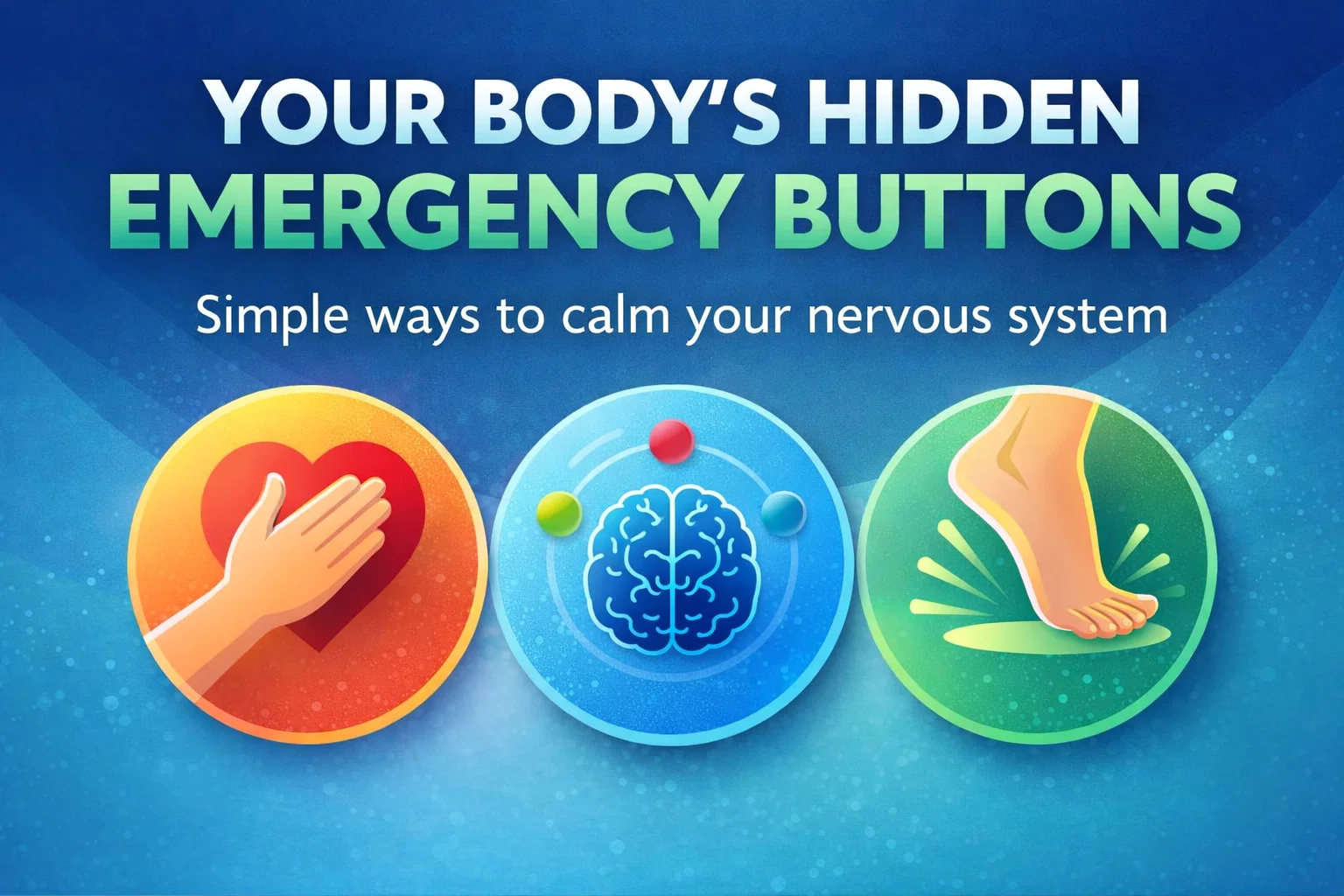
The good news is that your body is equipped with built-in tools to help you regulate. Think of them as your own personal emergency buttons. When activated, these techniques communicate directly with your nervous system, helping you shift from a state of high alert back into a place of balance and calm. You do not need expensive equipment, hours of meditation, or special training to use them. You just need to know how they work.
Shutterstock
Explore
Understanding the Body and Stress Response
To use these tools effectively, it helps to understand what is actually happening inside you. When you encounter stress, your sympathetic nervous system initiates the fight or flight response. This is a brilliant evolutionary survival mechanism, but it is not well-suited for modern stressors like work deadlines, social anxiety, or packed schedules.
When you feel sudden fear or racing thoughts, your body is essentially telling you there is a threat. By using specific physical actions, you can signal to your brain that you are safe. This is called down-regulating your nervous system, and it is the key to managing daily stress effectively.
Why Quick Grounding Works
Grounding is not just a buzzword. It is a psychological technique that uses the senses and physical sensations to reconnect you with the present moment. When you are lost in a cycle of worry, your brain is living in a hypothetical future or a past regret. Grounding techniques force your brain to acknowledge the physical reality of the “now,” which effectively pauses the threat-response loop.
Simple Hacks to Regulate Your Nervous System
Let us break down the specific techniques that can help you regain control during those overwhelming moments. These are easy to remember and can be performed discreetly anywhere.
1. Relieving Chest Tightness with Nasal Breathing
Tightness in the chest is a classic symptom of stress and shallow breathing. When we get anxious, we tend to take short, rapid breaths. To counteract this, place one hand on your chest to provide physical feedback and focus your attention. Take slow, deliberate nasal breaths for at least 30 seconds. By focusing on breathing through your nose, you engage the diaphragm more effectively, which naturally encourages your nervous system to move toward a more relaxed state.
2. Breaking the Loop of Sudden Fear
If you feel fear for no apparent reason, your brain is stuck in threat mode. A fantastic way to override this is by utilizing the 5-4-3-2-1 principle in a simplified form. Look around you and consciously name three distinct colors you can see. This forces your brain to switch from internal processing to external observation. By focusing on your visual environment, you disrupt the internal loop of anxiety and remind your brain that you are present in a safe space.
3. Using Progressive Muscle Relaxation to Stop a Racing Mind
When your mind will not stop racing, your body is often holding onto excess tension without you even realizing it. Clench both of your fists tightly for 10 seconds. Focus intensely on the tension you are creating. Then, release them suddenly. This contrast between extreme tension and complete relaxation provides a powerful neurological signal to your body to let go of stored stress. It is a quick and effective way to reset your mental state.
4. Grounding Through Physical Sensation
Sometimes you might feel completely disconnected from your body, or as though things around you are not quite real. This is a common dissociation symptom. To ground yourself quickly, stamp your feet lightly but firmly on the floor. Pay close attention to the sensation of your feet making contact with the ground. This physical feedback is incredibly grounding, as it forces your brain to pay attention to your physical presence and the surface supporting you.
5. Improving Focus with Extended Exhale Breathing
When you cannot focus, your brain is likely feeling fragmented. A powerful tool for concentration is to take five slow nasal breaths, but specifically focus on making the exhale longer than the inhale. For example, inhale for a count of four and exhale for a count of six. This pattern activates the vagus nerve, which acts as the brake for your nervous system, calming the brain and sharpening your ability to concentrate on the task at hand.
Building a Daily Habit of Regulation
The most important thing to realize is that these techniques are not just for emergencies. If you wait until you are in the middle of a full-blown panic attack to use them, they will be much harder to execute effectively. The real power comes from incorporating these small practices into your daily routine.
Consider setting a reminder to check in with your body three times a day. Are your shoulders tense? Are you clenching your jaw? Is your breath shallow? By proactively using these buttons before the stress peaks, you are training your body to return to a baseline of calm more quickly and reliably over time.
Conclusion
You have more control over your internal state than you might think. By understanding how to work with your nervous system rather than against it, you can navigate life’s challenges with much greater ease. Whether it is a simple breathing exercise to clear your focus or physical movement to ground your thoughts, these tools are always available to you.
Start small, stay consistent, and be patient with yourself. Everyone experiences stress, but having a toolkit ready makes all the difference in how you respond to it. Which of these techniques feels the most natural for you to try today? Give them a go, find your favorites, and reclaim your peace of mind.