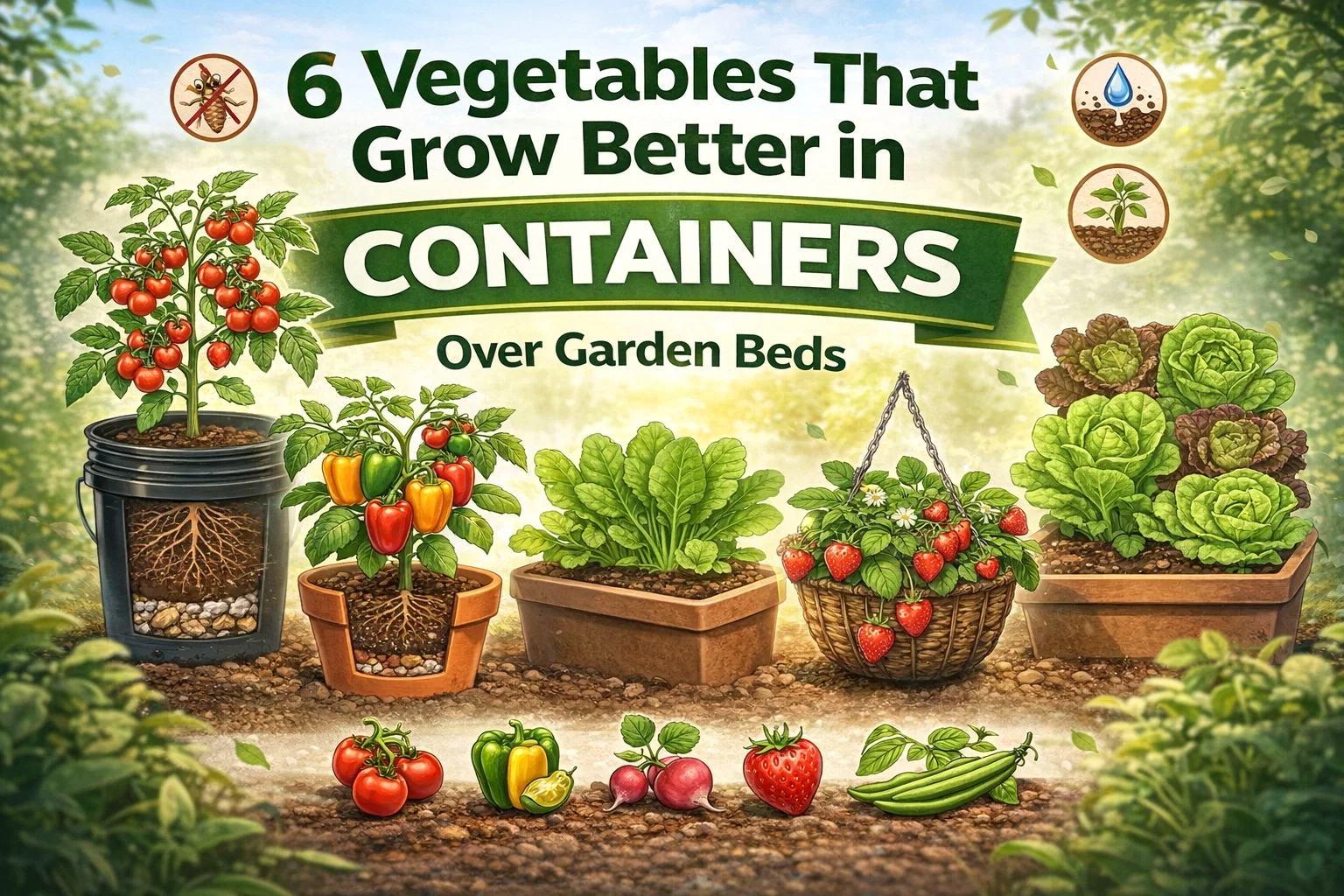
6 Vegetables That Prefer Containers Over Garden Beds Best Container Gardening Tips
Have you ever spent weeks nurturing a garden bed only to watch your tomatoes succumb to root rot or your lettuce get decimated by slugs? It is a heartbreaking experience that many gardeners face, but there is a secret that seasoned growers have known for years: some of the most popular garden staples actually perform better in containers than they do in the ground. While traditional row gardening has its charms, the level of control you gain from container gardening can be the difference between a struggling plant and a massive harvest. By elevating your crops, you are essentially providing them with a customized environment where soil quality, drainage, and temperature are always under your command.
The Hidden Advantages of Container Gardening
Before we dive into the specific vegetables that thrive in pots, it is important to understand why this method is so effective. When you plant directly in a garden bed, you are at the mercy of your native soil. If that soil is heavy clay, it might stay too wet and cold. If it is sandy, it might drain too fast. Containers allow you to bypass these issues entirely by using high quality potting mixes designed for aeration and nutrient retention.
Furthermore, containers provide a natural barrier against many soil-borne diseases and pests. Slugs and snails have a much harder time reaching a hanging basket of strawberries than they do a ground-level patch. You also have the advantage of mobility. If a sudden heatwave hits, you can move your pepper pots into the shade. If the spring is unusually cold, you can keep your seedlings in a sun-drenched corner of the patio where the stones radiate extra warmth.
1. Cherry Tomatoes: Avoiding the Pitfalls of Root Disease
Cherry tomatoes are a favorite for home gardeners, but they are notoriously susceptible to blight and various root diseases when grown in traditional garden beds. In the ground, soil can harbor pathogens that splash up onto the leaves during rain or irrigation. Additionally, garden beds often lack the perfect drainage that these heavy feeders require.
When you grow cherry tomatoes in a container, you are providing a protected environment. Using a loose, aerated potting mix combined with perlite or clay pebbles at the bottom ensures that water never pools around the roots. This prevents the “wet feet” that leads to yellowing leaves and stunted growth. A 5 gallon bucket or a large decorative pot provides plenty of room for a sturdy root system while keeping the fruit clean and away from ground-dwelling pests.
Tips for Container Tomatoes
- Use a Support System: Even in a pot, cherry tomatoes need a cage or stake to stay upright as they produce fruit.
- Consistent Watering: Containers dry out faster than the ground, so check the soil daily to ensure it stays moist but not soggy.
- Feed Regularly: Since nutrients wash out of pots over time, use a liquid seaweed or organic tomato fertilizer every two weeks.
2. Lettuce: Say Goodbye to Pest Damage
If you have ever grown lettuce in a garden bed, you know the frustration of finding your beautiful greens full of holes. Slugs, snails, and rabbits consider a garden bed of lettuce to be an all you can eat buffet. Beyond pests, lettuce grown in the ground often gets grit and dirt splashed into the folds of the leaves, making cleaning a tedious task.
Lettuce has a very shallow root system, making it the perfect candidate for shallow containers. An 8 inch deep pot is more than enough for a lush head of Romaine or a mix of loose leaf greens. By elevating your lettuce on a table or porch railing, you drastically reduce the risk of pest damage. The result is cleaner, crispier leaves that are ready for the salad bowl with just a quick rinse.
3. Peppers: The Need for Heat and Drainage
Peppers are tropical plants at heart. They crave heat and absolutely loathe cold, wet soil. In many climates, the ground stays cool well into the spring, which can stunt pepper growth for the entire season. Heavy rains can also lead to compacted soil in garden beds, suffocating the roots of your bell peppers or jalapeños.
Containers act like little insulators for pepper plants. The sun hits the sides of the pot, warming the soil much faster than the ground ever could. This heat boost encourages rapid growth and earlier fruiting. Because containers offer superior drainage, you avoid the common issue of blossom end rot which is often caused by inconsistent moisture levels. A well drained pot ensures the roots stay warm and oxygenated, leading to a much higher yield of vibrant, crunchy peppers.
4. Radishes: Overcoming Compacted Soil
Radishes are often touted as the easiest vegetable to grow, but they have one major enemy: compacted soil. In a garden bed, the earth can become packed down by footsteps or heavy rain. When a radish tries to expand in hard soil, it often becomes woody, spicy, or misshapen. Furthermore, excess moisture in the ground can cause the roots to split before they are ready to harvest.
In a container, you can provide the perfectly loose, friable soil that radishes dream of. Since they grow so quickly, you can easily sow a fresh batch every two weeks in a dedicated planter. The consistent texture of potting soil allows the radish to expand symmetrically, resulting in those perfect, globe shaped roots that look like they belong in a professional kitchen. Plus, the controlled environment means you can harvest them at the peak of their sweetness.
Succession Planting in Pots
- Sow Small Batches: Instead of planting a whole packet at once, plant a few seeds every week to have a continuous harvest.
- Monitor Moisture: Radishes need consistent moisture to stay crunchy; never let the pot dry out completely.
5. Strawberries: Protecting the “Heart” of the Fruit
Strawberries are perhaps the biggest beneficiaries of container gardening. When grown in the ground, the berries often rest directly on the soil or mulch. This invites berry rot, mold, and an endless parade of ants and slugs. Birds also find it much easier to spot a red berry against the dark earth of a garden bed.
Moving strawberries to a hanging basket or a tiered strawberry pot changes the game entirely. The fruit can hang over the edges, suspended in the air. This keeps them dry, clean, and away from most crawling insects. Air circulation is greatly improved, which virtually eliminates the risk of grey mold. Not only does this produce better fruit, but it also turns your strawberry patch into a beautiful ornamental feature for your patio or balcony.
6. Bush Beans: Avoiding Slow Germination
Bush beans are sensitive to the temperature and moisture levels of the soil during the germination phase. If you plant them too early in a garden bed, the seeds often rot in the cold, wet earth before they even have a chance to sprout. Even if they do grow, they are prone to fungal issues if the air around the base of the plant remains stagnant.
Growing bush beans in fabric grow bags or large pots allows you to control the environment from day one. Fabric bags, in particular, are excellent because they provide superior aeration to the root zone and prevent the soil from becoming waterlogged. The soil in a pot warms up quickly, leading to much faster germination rates. Because the plants are elevated, they catch more breeze, which keeps the foliage dry and prevents the spread of bean rust and other fungal diseases.
Essential Gear for Container Success
To get the most out of these six vegetables, you should invest in a few key items. First, always look for pots with ample drainage holes. If a decorative pot doesn’t have a hole, use it as a “cachepot” and place a plain plastic nursery pot inside it. Second, quality potting mix is non negotiable. Avoid using “garden soil” from a bag, as it is too heavy for containers and will compact over time.
Consider using self-watering containers if you have a busy schedule. These have a reservoir at the bottom that allows the plants to wick up moisture as needed, which is a lifesaver for thirsty plants like tomatoes and lettuce during the peak of summer. Finally, don’t forget a good watering can with a “rose” attachment to provide a gentle shower rather than a harsh stream that can wash away seeds or damage delicate seedlings.
Maximizing Your Small Space
One of the best things about opting for containers is that you do not need a massive backyard to be a productive farmer. You can utilize vertical space by using wall planters for your lettuce or hanging baskets for your strawberries. By placing your pots near your kitchen door, you are also more likely to harvest and use your produce. There is nothing quite like stepping outside and snipping a few fresh lettuce leaves or a handful of cherry tomatoes for your lunch salad.
Grouping your containers together can also create a small microclimate. As the plants transpire, they increase the humidity around each other, which can help them stay cool during intense afternoon sun. Just be sure to leave enough space for air to circulate between the pots to keep those fungal issues at bay.
Conclusion: The Joy of a Controlled Harvest
Transitioning from garden beds to containers might feel like a big shift, but the results speak for themselves. By focusing on these six vegetables, you are setting yourself up for a season of abundance rather than a season of frustration. You will spend less time weeding and fighting off pests, and more time enjoying the incredible flavor of home grown produce.
Whether you are trying to overcome poor soil quality or simply want to protect your strawberries from the local slug population, container gardening offers a practical and highly effective solution. Start small with a few pots of lettuce and tomatoes, and soon you will see why many gardeners are making the switch. The convenience, the control, and the massive harvests are well worth the effort. Get your pots ready, grab some high quality seeds, and start your container garden today!