60 Best Romance Tropes for Books and Writing Prompt Inspiration
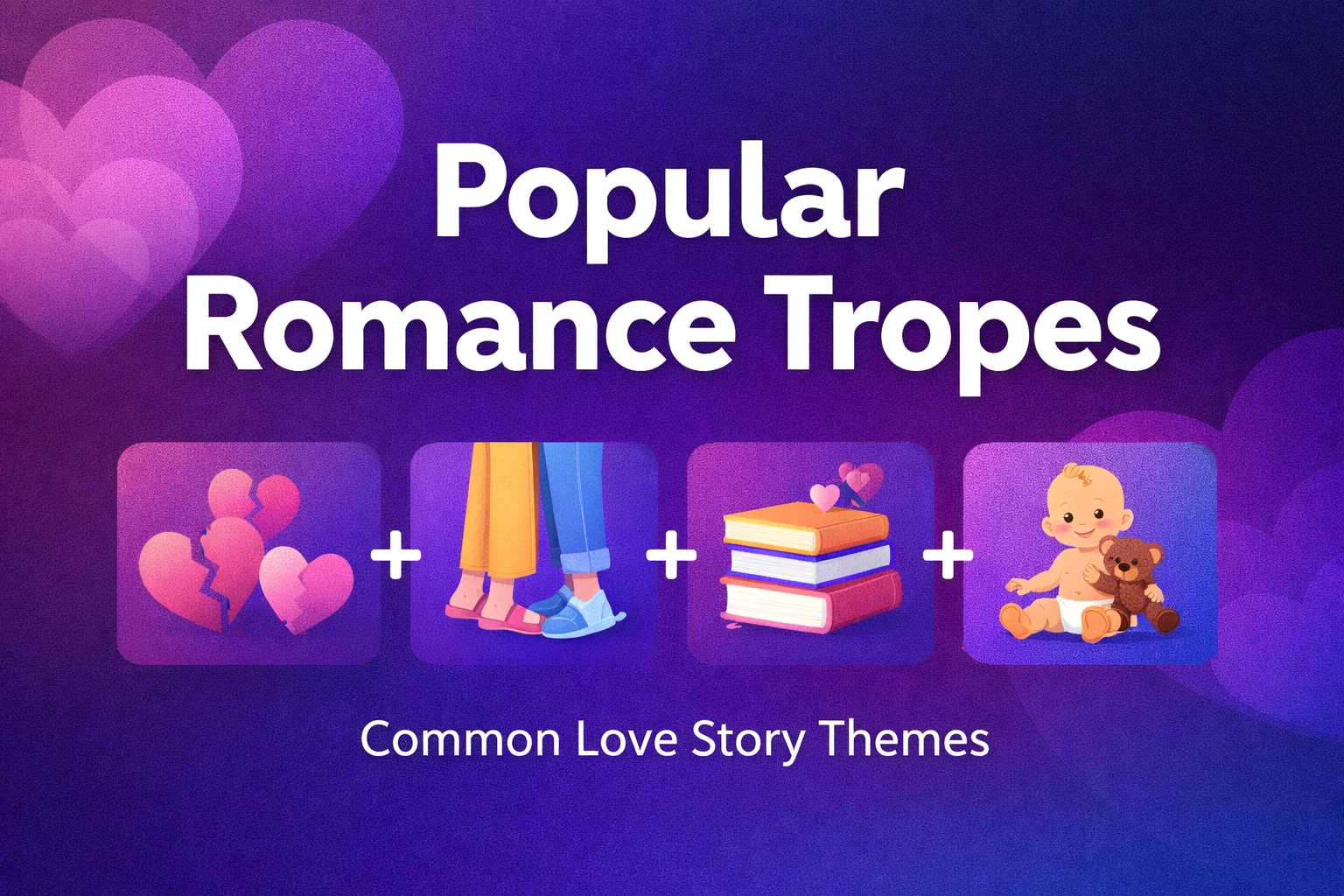
Whether you are a devoted reader who stays up until 3:00 AM to finish “just one more chapter” or an aspiring author staring at a blank screen, there is one universal language we all speak: the language of tropes. Tropes are the foundational building blocks of storytelling, providing a familiar framework that allows us to dive headfirst into new worlds with a sense of comfort and expectation. In the realm of romance, these narrative devices are more than just clichés. They are the emotional pulse points that keep us coming back for more, offering a roadmap for the complex journey from “hello” to “happily ever after.”
Understanding the Power of Romance Tropes
Why do we love tropes so much? It comes down to the psychology of storytelling. A trope is a recurring theme or motif that readers recognize instantly. When you pick up a book tagged as Enemies to Lovers, you aren’t just looking for a plot; you are looking for a specific type of tension, a particular flavor of banter, and the satisfying payoff of seeing two people who despise each other realize they are actually perfect matches. Tropes provide a promise to the reader. They set the stage, and while the genius of a writer lies in how they subvert or elevate those expectations, the trope itself is the hook that gets us in the door.
The Architecture of Emotional Tension
In romance, the plot is often secondary to the internal growth of the characters and the development of their relationship. Tropes act as the architecture for this emotional tension. For instance, the Forced Proximity trope creates a physical constraint that necessitates emotional vulnerability. When two characters are stuck in a snowed-in cabin or sharing the One Bed Trope, the external world fades away, forcing them to confront the feelings they have been trying to hide. This structural necessity is what makes tropes so effective for writers; they provide built-in conflict that drives the story forward without feeling forced or artificial.
Classic Tropes That Never Go Out of Style
Some tropes are considered “the classics” for a reason. They tap into deep-seated human desires and social dynamics that resonate across generations and cultures. Let’s look at some of the heavy hitters from our list of sixty and explore why they continue to dominate the bestseller lists.
Enemies to Lovers: The Gold Standard of Tension
There is perhaps no trope more beloved than Enemies to Lovers. The appeal lies in the high stakes and the sheer volume of sparks flying. In this scenario, the characters start from a place of genuine animosity or intense rivalry. This allows for incredibly sharp dialogue and a slow, simmering realization that the person they thought they hated is the only one who truly understands them. It turns the intensity of hate into the intensity of love, proving that there is a very thin line between the two emotions.
Friends to Lovers: The Comfort of Being Known
On the opposite end of the spectrum, we have Friends to Lovers. This trope is all about the “slow burn.” It explores the terrifying and beautiful transition from a safe, platonic relationship to something much riskier. The conflict here isn’t about whether they like each other, but whether they are willing to risk their existing bond for the chance at something more. It resonates with anyone who has ever looked at a best friend and wondered, “What if?”
Grumpy x Sunshine: The Perfect Balance
This character-driven trope relies on the “opposites attract” philosophy. One character is cynical, reserved, or perhaps a bit of a recluse (the Grumpy), while the other is optimistic, bubbly, and persistent (the Sunshine). The magic happens when the Sunshine character manages to crack the Grumpy character’s tough exterior, and the Grumpy character becomes fiercely protective of their partner’s joy. It is a heartwarming dynamic that offers plenty of opportunities for humor and emotional growth.
Modern Twists and Niche Favorites
As the romance genre evolves, so do the tropes. Modern readers are often looking for specific scenarios that reflect contemporary life or put a fresh spin on old favorites. Our list includes several of these trending themes that have taken social media platforms like BookTok by storm.
The Fake Dating Strategy
Fake Dating is a powerhouse trope because it provides a logical excuse for characters to perform romantic actions without having to admit their feelings. Whether they are trying to make an ex jealous, please a prying family, or secure a business deal, the “pretend” relationship creates a safe space for real feelings to grow. The moment the line between “fake” and “real” blurs is always a highlight for readers.
Billionaires, Bodyguards, and Royalty
These tropes lean into the “ordinary person” fantasy. Billionaire x Ordinary Person or Royalty Romance allows readers to escape into a world of luxury and high stakes, where the power imbalance creates unique obstacles. Similarly, the Bodyguard Romance adds an element of danger and “forced proximity,” as one character is literally paid to stay by the other’s side, leading to a deep, protective bond that transcends professional boundaries.
Using Tropes as Writing Prompts
If you are a writer, this list of sixty tropes is essentially a treasure chest of story ideas. When you are stuck, you can use these items as prompts to jumpstart your creativity. The trick is not just to pick one trope, but to see how they can intersect to create something original.
The “Trope Mashup” Technique
To create a truly compelling narrative, try combining two or three tropes from the list. Here are a few examples of how you can layer these ideas:
- The Secret Identity + Workplace Romance: Two people are rivals at work by day, but unknowingly falling in love via an anonymous app or pen-pal letters by night.
- Marriage of Convenience + Second Chance Romance: Two former high school sweethearts who ended on bad terms are forced into a legal marriage years later to save a family business.
- Small Town Romance + Hidden Identity: A famous celebrity fleeing a scandal hides out in a tiny town and falls for a local who has no idea who they are.
By layering tropes, you add depth to the story and keep the reader guessing. You are giving them the comfort of the familiar while introducing enough complexity to make the story feel fresh.
The Evolution of Romance: From Dystopia to Time Travel
Romance is a versatile genre that can live anywhere. Our list highlights tropes like Dystopian Romance, Time Travel Romance, and Reincarnated Lovers. These subgenres take the emotional core of a love story and place it against a backdrop of epic stakes. When the world is ending or time itself is a barrier, the “happily ever after” feels even more hard-won and significant. This proves that no matter the setting—whether it is a Vegas Wedding or a Sports Romance—the human connection remains the heart of the narrative.
The “He Falls First” Phenomenon
In recent years, the He Falls First trope has become an absolute fan favorite. There is something incredibly satisfying about watching a hero realize his feelings early on and spend the rest of the book trying to prove his worth or win over the heroine. It flips the traditional “chase” dynamic and allows for a more vulnerable male lead, which modern readers find refreshing and deeply romantic.
Why Diversity in Tropes Matters
While the list of sixty tropes provides a great starting point, the most important thing any reader or writer can do is bring their own unique perspective to the table. Tropes are universal, but they are most powerful when they reflect a wide range of experiences. Whether it is a Single Parent Romance, an Accidental Pregnancy, or a Secret Relationship, these stories gain weight when they are grounded in realistic emotions and diverse backgrounds. The beauty of the romance community is its ability to take these shared “rules” of storytelling and use them to celebrate love in all its forms.
Conclusion: Finding Your Next Obsession
At the end of the day, romance tropes are a celebration of the human heart. They remind us that despite our differences, we all experience the same fears of rejection, the same thrills of attraction, and the same hope for a lasting connection. Whether you are browsing for your next favorite book or drafting the first chapter of your debut novel, let these tropes be your guide. They aren’t just labels; they are invitations to feel something deeply.
Next time you are looking at a list of tropes, don’t just see them as “been there, done that.” See them as a playground for the imagination. Every Slow Burn has a different rhythm, every Grumpy x Sunshine has a different bark and a different bite, and every Second Chance is a testament to the idea that it is never too late for love. Happy reading, and even happier writing!
Would you like me to expand on any specific trope from the list or perhaps help you draft a specific scene using a combination of these ideas?