7 Biblical Times to Be Silent Spiritual Wisdom Personal Growth Tips for Mindful Living
The power of silence is often overlooked in a world that never stops talking. We are constantly encouraged to share our thoughts, post our opinions, and make our voices heard at every opportunity. However, there is a profound strength in knowing when to hold your tongue. Drawing from timeless biblical wisdom, specifically the Book of Proverbs and other key scriptures, we can discover that silence is not a sign of weakness. Instead, it is a strategic tool for emotional intelligence, spiritual growth, and relational harmony. Understanding the specific moments when silence is more beneficial than speech can transform how you interact with the world and how you protect your inner peace.
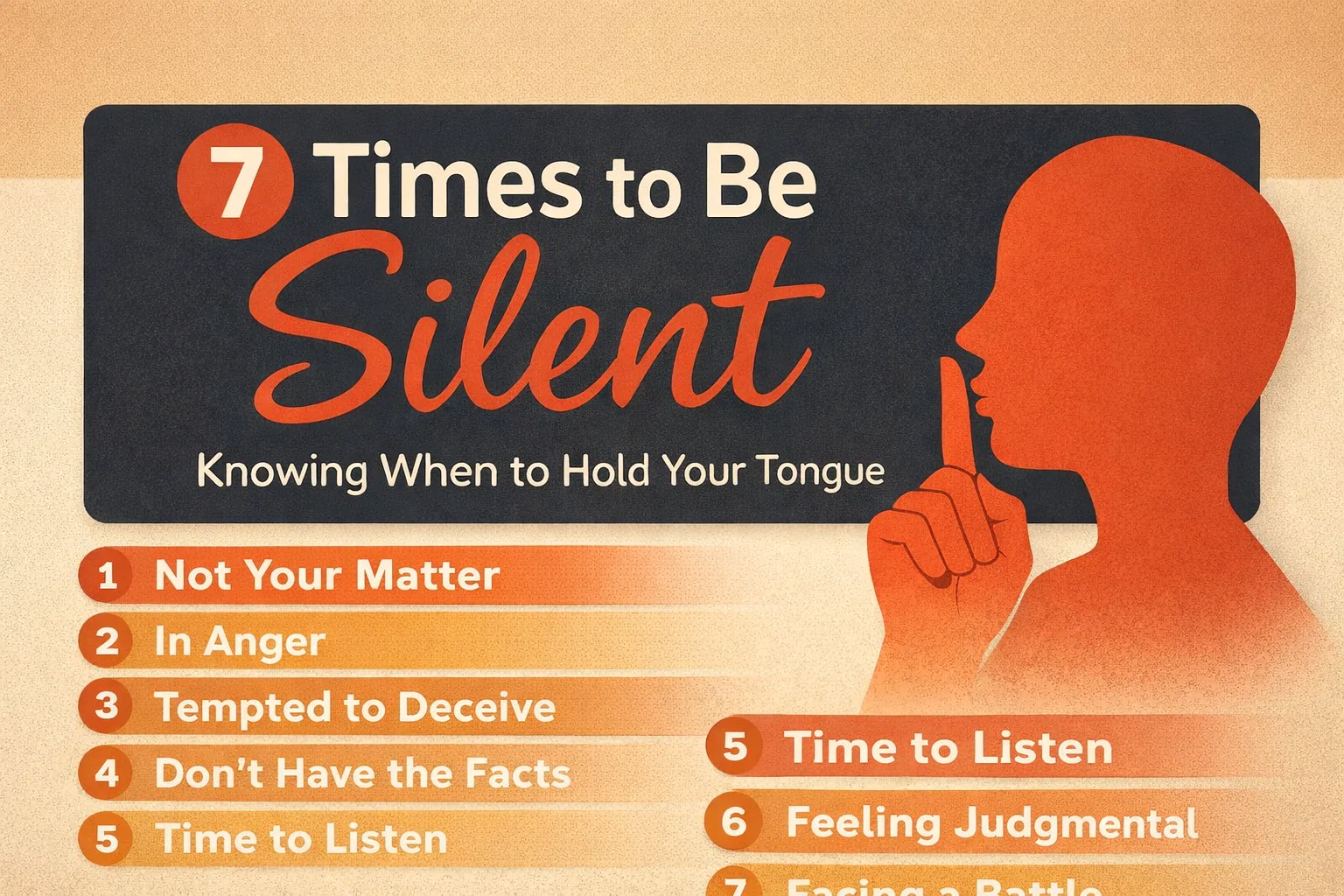
1. Stepping Back from Matters That Do Not Concern You
One of the most common ways we drain our emotional energy is by meddling in affairs that are not ours to manage. Proverbs 26:17 compares someone who gets involved in a quarrel that isn’t theirs to someone who grabs a stray dog by the ears. It is dangerous, unnecessary, and bound to end in pain. Being silent in these moments allows you to maintain your focus on your own path and responsibilities.
The Benefit of Mindful Boundaries
When you choose to be silent instead of meddling, you are practicing the art of boundaries. By refusing to enter into gossip or third party conflicts, you preserve your reputation as a person of integrity. This form of silence keeps your social circle healthy and prevents you from becoming a source of drama. It is an act of self respect to decide that not every fire requires your water.
2. Finding Calm in the Heat of Anger
Anger is a natural human emotion, but the words we speak while angry are rarely the words we stand by later. Proverbs 14:17 and 15:1 remind us that a quick tempered person acts foolishly, but a soft answer turns away wrath. Silence in the heat of a moment acts as a cooling mechanism. It provides the space needed for logic to override the initial emotional surge.
Practical Strategies for Emotional Silence
- The Five Second Rule: Before responding to a triggering comment, count to five in total silence.
- Physical Departure: Sometimes silence requires removing yourself from the room until the physical symptoms of anger subside.
- Reflective Listening: Use silence to process what the other person is actually saying rather than preparing a rebuttal.
3. Guarding Integrity Against the Temptation to Deceive
Proverbs 4:24 instructs us to put away crooked speech and devious talk. There are moments when we feel pressured to lie, exaggerate, or omit the truth to make ourselves look better or to avoid trouble. In these moments, silence is your greatest ally. If you cannot speak the truth with love and clarity, it is often better to say nothing at all until you can align your heart with honesty.
The Long Term Value of Truthful Silence
Building a life of integrity means that your “yes” is “yes” and your “no” is “no.” When you use silence to avoid the trap of deception, you are protecting your future. Lies require maintenance, but silence requires none. By choosing to be still when tempted to deceive, you ensure that your character remains unblemished and your conscience stays clear.
4. Seeking Clarity Before Speaking Without Facts
In the digital age, we often feel the need to have an immediate opinion on every breaking news story or social trend. However, Proverbs 18:13 warns that to answer before listening is a person’s folly and shame. Speaking without having all the facts leads to misinformation and unnecessary conflict. Silence provides the time necessary for research, observation, and understanding.
Developing a Researcher’s Mindset
Instead of rushing to judgment, use silence to gather information. Ask yourself if you truly understand the nuances of the situation. By being the last person to speak in a room, you often become the most informed. This type of silence builds your authority because people learn that when you finally do speak, your words are backed by substance and truth.
5. Creating Space to Listen and Learn
Education is a lifelong journey, and the primary tool for learning is silence. Proverbs 13:1 and Matthew 11:15 emphasize the importance of having ears that are ready to hear. You cannot pour into a cup that is already full, and you cannot learn from others if your own voice is the only one you hear. True wisdom is found in the ability to quiet your own thoughts to truly receive the perspective of another.
The Art of Active Silence
Active silence involves more than just not talking. It involves leaning in, making eye contact, and giving the speaker your full attention. This creates a safe environment for others to share their wisdom with you. Whether you are in a mentorship meeting, a spiritual service, or a casual conversation with a friend, practicing silence allows you to catch the subtle lessons that loud environments often drown out.
6. Restraining the Urge to Be Critical or Judgmental
James 3:9 to 10 points out the hypocrisy of the human tongue, noting that with the same mouth we praise God and curse human beings who are made in His likeness. We all have moments where we feel a sharp, critical thought rise to the surface. Choosing silence in these moments is an act of grace. It recognizes that everyone is fighting a battle we know nothing about and that our judgment rarely produces a positive change in others.
Transforming Criticism into Compassion
When you feel the urge to point out someone’s flaw, challenge yourself to find a silent prayer for them instead. Use that moment of silence to reflect on your own imperfections. By choosing not to voice a judgmental thought, you contribute to a culture of kindness and encouragement rather than one of cynicism and tearing others down.
7. Standing Firm During a Spiritual Battle
Ephesians 6:11 to 13 discusses the spiritual armor required to stand against the schemes of darkness. In the midst of a spiritual battle, silence is often a form of “standing still.” It is a declaration of trust in a higher power. Instead of trying to argue your way out of a spiritual trial or complaining about the difficulty, silence allows you to listen for divine guidance and stay grounded in your faith.
The Strength of Quiet Faith
There is a unique type of peace that comes from being still in the middle of a storm. This silence isn’t about ignoring the problem but about acknowledging that you don’t have to fight every battle with your own words. By remaining quiet and focused on your spiritual foundations, you allow your actions and your steadfastness to do the talking for you.
The Holistic Benefits of Practicing Silence
Beyond the biblical applications, incorporating regular intervals of silence into your daily life has profound effects on your mental and physical health. Studies show that silence can lower blood pressure, reduce cortisol levels, and even promote the growth of new cells in the brain’s hippocampus, which is associated with memory and emotion. When you follow the scriptural advice to be silent, you are also practicing an essential form of self care.
Incorporating Silence into Your Routine
To truly master these seven times to be silent, it helps to practice intentional quietness throughout your day. This could be a five minute morning meditation, a silent walk during your lunch break, or turning off the radio during your commute. The more you familiarize yourself with silence in peaceful times, the easier it will be to access that tool when you are in the heat of anger or facing a difficult temptation.
Conclusion: The Wisdom of the Quiet Heart
Choosing silence is rarely the easy path, but it is almost always the one that leads to greater wisdom and peace. By recognizing when to step back from meddling, how to cool your anger, and when to listen for the sake of learning, you align yourself with a higher standard of living. These seven biblical principles offer more than just social etiquette. They provide a blueprint for a life marked by integrity, compassion, and spiritual strength. As you move through your week, pay attention to the moments where you feel the urge to speak, and ask yourself if silence might be the more powerful response. Often, the most significant things we say are the words we choose to leave unspoken.