7 Powerful Body Hacks to Relieve Anxiety, Headaches More Natural Wellness Tips
Human biology is a fascinating network of interconnected systems, but sometimes those systems need a little nudge to perform at their best. We have all been there, lying awake at 2:00 AM unable to drift off, or feeling that familiar, throbbing tension of a headache starting to build behind the eyes. While modern medicine certainly has its place, there is an incredible power in understanding how to “hack” your own physiology using simple, physical actions. These body tricks are not magic, they are based on how our nerves, blood flow, and sensory perceptions interact to create immediate shifts in how we feel.
Learning these techniques allows you to take control of your comfort in real-time. Whether you are dealing with a sudden bout of hiccups or the overwhelming sensation of being nervous before a big presentation, having a toolkit of natural, physical responses can be a total game changer for your daily wellness. Let us dive deep into these powerful body hacks and explore exactly why they work and how you can implement them whenever you need a quick reset.
The Science of Calming Your Nervous System
When you feel nervous or anxious, your body enters a state of high alert known as the fight or flight response. Your heart rate increases, your breathing becomes shallow, and your mind might start to race. To counter this, you need to signal to your brain that you are safe. One of the most effective ways to do this is through physical touch and controlled pressure. By pinching your nose or placing a hand over your heart, you are engaging with the vagus nerve and other sensory pathways that tell the brain to slow down and regulate.
Pinch Your Nose to Stay Calm
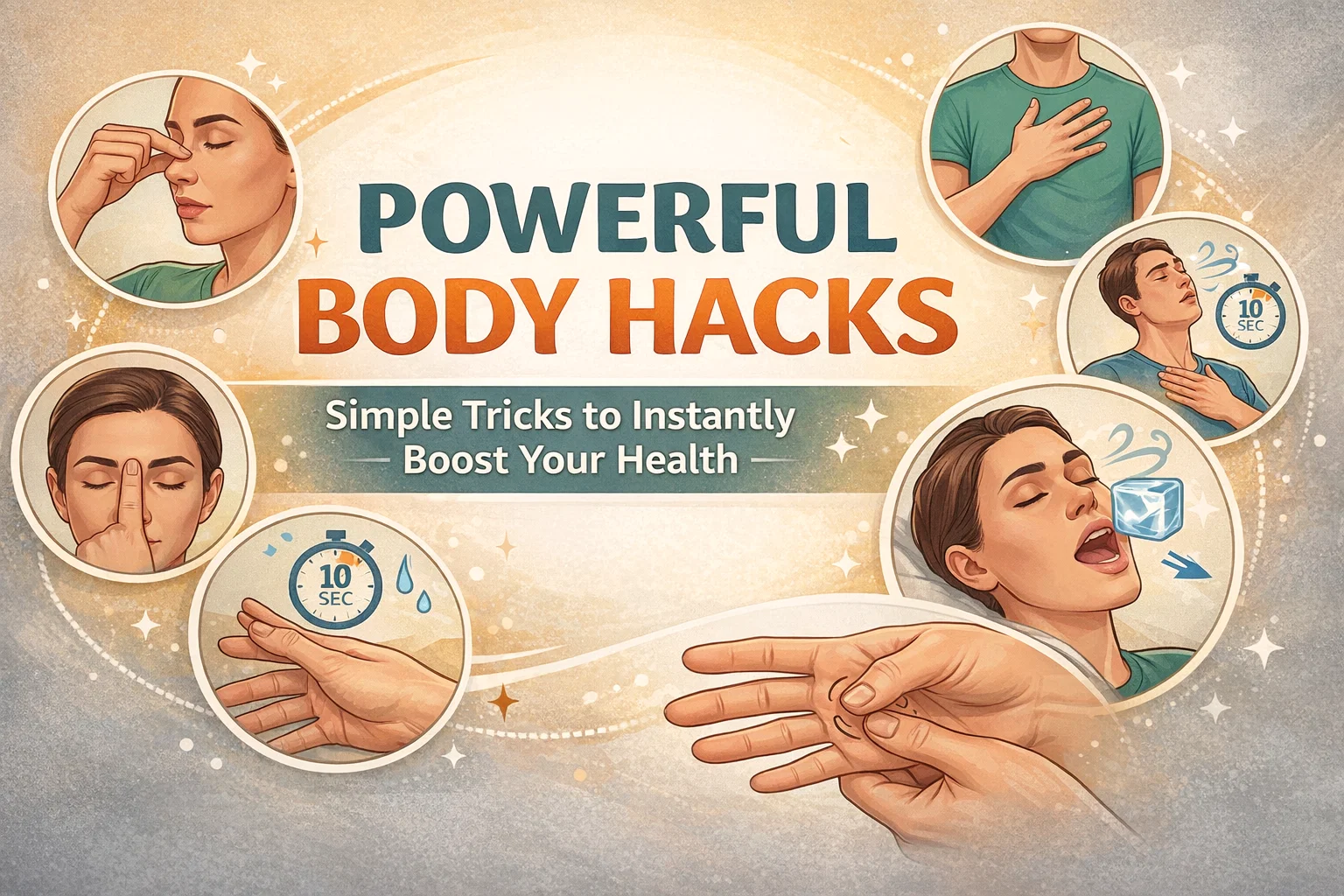
It sounds almost too simple to be effective, but pinching your nose when you feel a wave of nervousness can actually help ground you. This action forces a momentary shift in your sensory focus. By briefly restricting the nasal airway and then releasing it, you become more mindful of your breath. This physical interruption breaks the cycle of panicked thinking and forces you to take a more deliberate, conscious breath once you let go. It is a quick physical “reset button” for those moments when your thoughts feel like they are spinning out of control.
Hand Over Heart for Anxiety Relief
Placing your hand over your heart is a powerful gesture of self-compassion that has biological roots. This contact provides a soothing sensory input that can lower cortisol levels. When combined with slow, deep breathing, you are effectively manual-starting your parasympathetic nervous system. Focus on the warmth of your hand and the steady rise and fall of your chest. This creates a feedback loop of safety and stability, helping to quiet the noise of anxiety and bringing you back to the present moment.
Clearing the Path: Stuffy Noses and Headaches
Physical discomfort often comes from localized tension or inflammation. When your sinuses are blocked or your head is pounding, it can feel impossible to focus on anything else. Fortunately, there are specific pressure points and temperature-based tricks that can provide surprisingly fast relief without needing to reach for the medicine cabinet immediately.
The Ice Cube Trick for Sinus Pressure
Dealing with a stuffy nose is incredibly frustrating, especially when you are trying to sleep or speak clearly. A unique hack involves placing an ice cube against the roof of your mouth. The logic here is centered on the proximity of the nerves and blood vessels in the upper palate to the sinus cavities. The extreme cold causes the blood vessels to constrict, which can help reduce the swelling in the nasal passages that causes that “blocked” feeling. It is a sharp, cooling sensation that provides a refreshing break from the heavy pressure of congestion.
Massaging the Hegu Point for Headaches
If you have ever felt a headache coming on and instinctively rubbed your hands, you were on the right track. The space between your thumb and index finger, known in traditional practice as the Hegu point, is a major trigger for tension relief. By applying firm, circular pressure to this fleshy area for a minute or two, you can actually inhibit the pain signals traveling to the brain. This technique is particularly effective for tension headaches caused by stress or long hours at a computer. It is a portable, discreet way to manage pain no matter where you are.
Better Sleep and Stability: Hacking Your Senses
Sleep and balance are two of the most vital aspects of our physical well-being. When either is disrupted, our entire day can feel off-kilter. Dizziness can be disorienting and scary, while insomnia leaves us feeling drained and irritable. These hacks focus on sensory “overload” or specific pressure points to recalibrate your internal equilibrium.
Blink Rapidly to Fall Asleep
If your mind is racing and you cannot seem to drift off, try blinking your eyes rapidly for one full minute. This might seem counterintuitive since you want your eyes closed to sleep, but the rapid movement actually tires out the muscles in your eyelids. Once those muscles are fatigued, the natural urge to keep your eyes closed becomes much stronger. Additionally, the repetitive motion can act as a form of “pattern interrupt,” stopping the flow of stressful thoughts and making it easier for your brain to transition into a sleep state.
Press Between the Eyebrows for Dizziness
Dizziness often stems from a disconnect between what your eyes see and what your inner ear perceives. To find your center again, try pressing the point directly between your eyebrows. This is often referred to as the “third eye” point in various wellness traditions. Applying steady pressure here for about five seconds helps to stimulate the nerves and improve circulation to the head. It provides a focal point for your physical awareness, which can help steady your vision and reduce that lightheaded, spinning sensation.
The Ultimate Hiccup Cure and Respiratory Control
Hiccups are a classic example of a bodily function gone rogue. They are essentially involuntary spasms of the diaphragm, and they always seem to happen at the most inconvenient times. While there are a million “folk remedies” for hiccups, the most effective ones involve regulating the diaphragm and the carbon dioxide levels in your blood.
The Breath and Swallow Method
To stop hiccups in their tracks, you need to reset the rhythm of your diaphragm. The most reliable way to do this is a three-step process. First, take a very deep breath and hold it. This stretches the diaphragm and holds it in a fixed position. Second, keep that breath held for ten seconds to allow carbon dioxide to build up slightly in your system, which signals the diaphragm to relax. Finally, swallow twice while still holding that breath if possible. The act of swallowing involves a complex coordination of muscles that further interrupts the hiccup reflex. When you finally exhale, the spasm is usually gone.
Creating a Daily Routine with Body Hacks
The beauty of these techniques lies in their simplicity. You do not need any special equipment, and most of them can be done in less than a minute. To make the most of these “body tricks,” it helps to practice them even when you are not in a moment of crisis. By familiarizing yourself with where the Hegu point is or how to properly hold your breath to stop hiccups, you ensure that these tools are ready for you when you actually need them.
Integrating Wellness into Your Lifestyle
- Morning Grounding: Start your day with the “hand over heart” technique to set a calm tone for the hours ahead.
- Workday Breaks: If you feel a tension headache starting at your desk, take two minutes to massage the space between your thumb and index finger.
- Evening Wind-down: If you struggle to shut your brain off at night, use the rapid blinking method as soon as you get under the covers.
Understanding these hacks also fosters a deeper connection with your body. Instead of feeling like a victim of your physical symptoms, you become an active participant in your own comfort. You start to notice the subtle signs of stress or tension earlier, allowing you to intervene before a small headache becomes a full blown migraine or a bit of nerves turns into a panic attack.
Conclusion: Empowering Your Natural Self
Our bodies are incredibly resilient and responsive. While we often look outward for solutions to our discomfort, many of the most effective remedies are already built into our own physiology. These seven body tricks for nervousness, anxiety, stuffy noses, sleep, dizziness, hiccups, and headaches are simple reminders that we have more control than we think. By using pressure, temperature, and breath, we can communicate directly with our nervous system to bring about balance and relief.
Next time you feel a bit out of sorts, try one of these methods before reaching for a temporary fix. You might be surprised at just how quickly your body responds to the right touch or the right rhythm. Keep these hacks in your mental back pocket, share them with friends, and enjoy the feeling of being more in tune with your amazing physical self. Wellness is not always about big changes, sometimes, it is the smallest tricks that make the biggest impact on your quality of life.