7 Proven Tips for Faster Hair Growth Healthy Hair Scalp Massage, Biotin, Hair Care Tips
Everyone dreams of having a thick, flowing mane that radiates health and vitality. Whether you are recovering from a bad haircut or simply want to see how long your tresses can actually grow, the journey to long hair requires more than just patience. It requires a strategic approach to scalp health, nutrition, and daily maintenance. Real hair growth is not about a single miracle product; it is about a collection of consistent habits that nourish your follicles from the inside out while protecting the length you already have. By implementing a few proven techniques, you can move past the plateau and start seeing the results you have always wanted.
The Foundation of Growth: Scalp Stimulation and Circulation
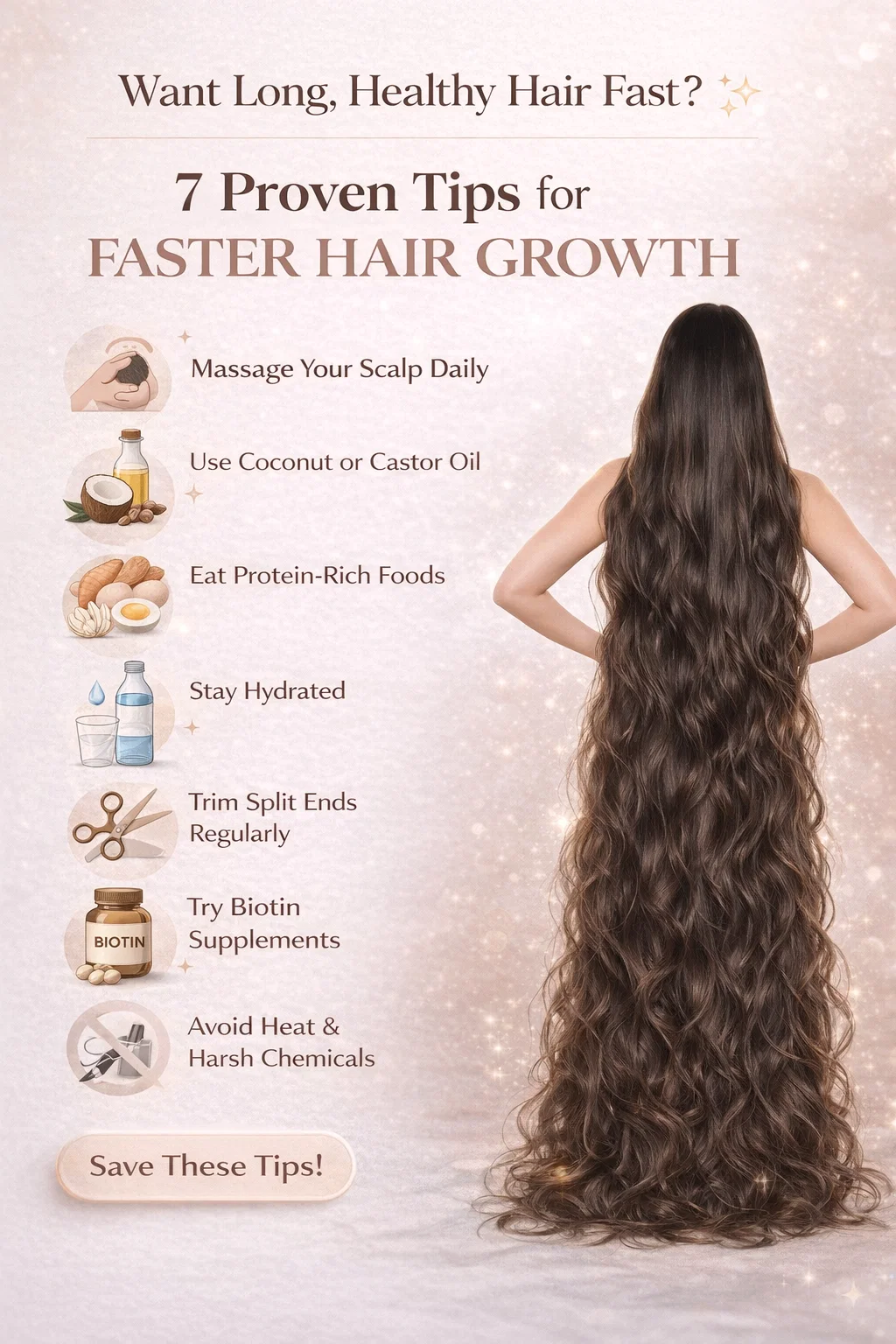
If you think of your hair like a plant, your scalp is the soil. Without healthy, nutrient-rich soil, nothing will grow. One of the most effective and often overlooked ways to speed up hair growth is through regular scalp massages. This simple practice increases blood flow to the hair follicles, ensuring they receive the oxygen and nutrients necessary for optimal production.
Mastering the Daily Scalp Massage
You do not need fancy tools to get started. Using your fingertips, apply gentle but firm pressure in circular motions across your entire scalp for about five to ten minutes every day. This process helps to stretch the cells of hair follicles, which in turn stimulates the follicles to produce thicker hair. For an added boost, try the inversion method by hanging your head slightly upside down while massaging to further encourage blood flow to the crown.
The Power of Natural Oils
Incorporating oils like coconut and castor oil can take your scalp health to the next level. Coconut oil is famous for its ability to penetrate the hair shaft and reduce protein loss. Castor oil, on the other hand, is rich in ricinoleic acid, which helps to increase circulation and has antimicrobial properties that keep the scalp clear of infections. Applying these oils once or twice a week as a pre-shampoo treatment provides a protective barrier and deep hydration that prevents the scalp from becoming dry and flaky.
Nourishing from Within: The Role of Diet and Supplements
What you put into your body is just as important as what you put on your head. Hair is primarily made of a protein called keratin, so if your diet is lacking in the right building blocks, your hair growth will inevitably slow down. To achieve faster results, you must focus on a nutrient-dense diet that supports cellular repair and energy production.
Prioritizing Protein-Rich Foods
If you are not eating enough protein, your body will often ration the protein it does have by cutting off the supply to non-essential functions like hair growth. To keep your follicles active, include high-quality protein sources in every meal. Eggs are an excellent choice because they also contain biotin and zinc. Lean meats, beans, lentils, and Greek yogurt are other fantastic options that provide the amino acids necessary for strong, resilient hair strands.
Hydration and Its Impact on Hair Elasticity
Water is essential for every biological process, and hair growth is no exception. Dehydration can lead to a dry scalp and brittle hair that snaps easily. When you stay hydrated, you help flush out toxins and keep your hair shafts supple. Aim for at least eight glasses of water a day to ensure that your hair remains elastic and less prone to the breakage that often mimics a lack of growth.
Is Biotin the Secret Weapon?
Many people turn to biotin supplements to bridge the gap in their nutrition. Biotin, also known as Vitamin B7, plays a crucial role in the production of keratin. While it is best to get your vitamins from whole foods, a supplement can be a helpful insurance policy if you have a deficiency. Always consult with a professional before starting a new regimen, but many users report significant improvements in hair thickness and nail strength after consistent biotin use over several months.
Protective Habits: Keeping the Length You Grow
A common frustration is feeling like your hair is not growing when, in reality, it is simply breaking off at the ends as fast as it grows from the roots. To see real length, you must become a guardian of your hair ends. This means changing how you handle your hair on a daily basis and being mindful of the environmental stressors you expose it to.
The Paradox of Regular Trims
It sounds counterintuitive to cut your hair when you want it to be longer, but regular trims are vital. Split ends are like a tear in a piece of fabric; if you do not stop the tear, it will travel all the way up the hair shaft, causing widespread damage. By trimming just a quarter of an inch every eight to twelve weeks, you remove the weakest part of the hair and prevent breakage, allowing the healthy portion of the strand to continue growing undisturbed.
Avoiding Heat and Harsh Chemicals
Excessive use of flat irons, curling wands, and high-heat blow dryers can literally cook the moisture out of your hair. This leads to porous, fragile strands that are impossible to grow long. Similarly, frequent bleaching or harsh chemical straightening treatments break the internal bonds of the hair. To encourage faster growth, embrace your natural texture as much as possible. If you must use heat, always apply a high-quality heat protectant and keep the temperature setting as low as possible.
Nighttime Care and Gentle Styling
The way you treat your hair while you sleep can have a major impact on its health. Friction from traditional cotton pillowcases can cause tangles and breakage throughout the night. Switching to a silk or satin pillowcase allows your hair to glide smoothly, reducing the risk of morning knots. Additionally, avoid sleeping with your hair in a tight ponytail, as the constant tension on the hairline can lead to thinning and traction alopecia.
Choosing the Right Hair Accessories
Ditch the rubber bands with metal clasps that snag and tear your hair. Instead, opt for silk scrunchies or seamless hair ties. When styling, try loose braids or low buns that do not pull on the roots. Being gentle during the detangling process is also key. Always start from the bottom and work your way up using a wide-tooth comb or a dedicated detangling brush to minimize shedding.
Consistency is the Key to Transformation
The most important thing to remember is that hair growth is a marathon, not a sprint. On average, hair grows about half an inch per month. While the tips mentioned above can optimize this process and ensure your hair is at its strongest, you will not see a massive difference overnight. It takes roughly three to six months of consistent effort to notice a change in the overall length and density of your hair.
Setting Realistic Expectations
Your genetics, age, and hormone levels all play a part in how fast your hair grows. However, by providing the best possible environment for your follicles, you are maximizing your personal potential. Do not get discouraged if you do not see immediate results. Focus on the health of your scalp and the shine of your strands, and the length will naturally follow.
Conclusion: Your Journey to Long, Healthy Hair
Achieving the long, healthy hair of your dreams is entirely possible when you combine internal nutrition with external protection. By prioritizing scalp circulation through massage and oils, fueling your body with protein and hydration, and being mindful of how you style and treat your hair, you create a fool proof system for growth. Remember to be patient with yourself and your hair. Start implementing these seven proven tips today, and before you know it, you will be looking in the mirror at the long, luscious locks you worked so hard to achieve. Consistency and care are your best friends on this journey, so stay committed to your routine and enjoy the process of transformation.