7 Warning Signs of Diabetes on Your Skin You Shouldnt Ignore Health Wellness Tips
Have you ever looked in the mirror and noticed a patch of skin that just didn’t seem right? Maybe your shins are perpetually flaky despite using heavy lotions, or you’ve noticed a strange darkening around your neckline that wasn’t there a few years ago. Most of us are quick to blame the changing weather, a new brand of laundry detergent, or simply the aging process. However, your skin is the largest organ in your body, and it often acts as a biological billboard reflecting what is happening internally. In many cases, these dermatological shifts are the very first whispers of a metabolic shift, specifically related to blood sugar levels and insulin resistance.
Understanding the connection between your skin and your internal health is a vital component of modern wellness. While we often wait for blood tests and formal laboratory reports to tell us how we are doing, our bodies are frequently providing real-time data through visible signals. By learning to decode these signs, you can take proactive steps toward better health before minor issues become major complications. Today, we are diving deep into the specific skin signals that are commonly linked to diabetes and how you can manage them with a holistic approach to self-care.
The Science Behind Diabetes and Skin Changes
To understand why skin changes occur, we have to look at how high glucose levels affect the body on a cellular level. When blood sugar is consistently elevated, it can lead to poor circulation and nerve damage. This combination makes it harder for the skin to repair itself and maintain its natural moisture barrier. Furthermore, high sugar levels provide a breeding ground for certain bacteria and fungi, making infections more frequent and harder to kick.
Another factor is insulin resistance. When your body struggles to use insulin effectively, it can cause an overproduction of skin cells in certain areas, leading to texture and color changes. This is why skin issues are rarely just surface-level problems; they are indicators of a complex metabolic process that requires attention from the inside out.
1. Persistent Dry and Rough Skin
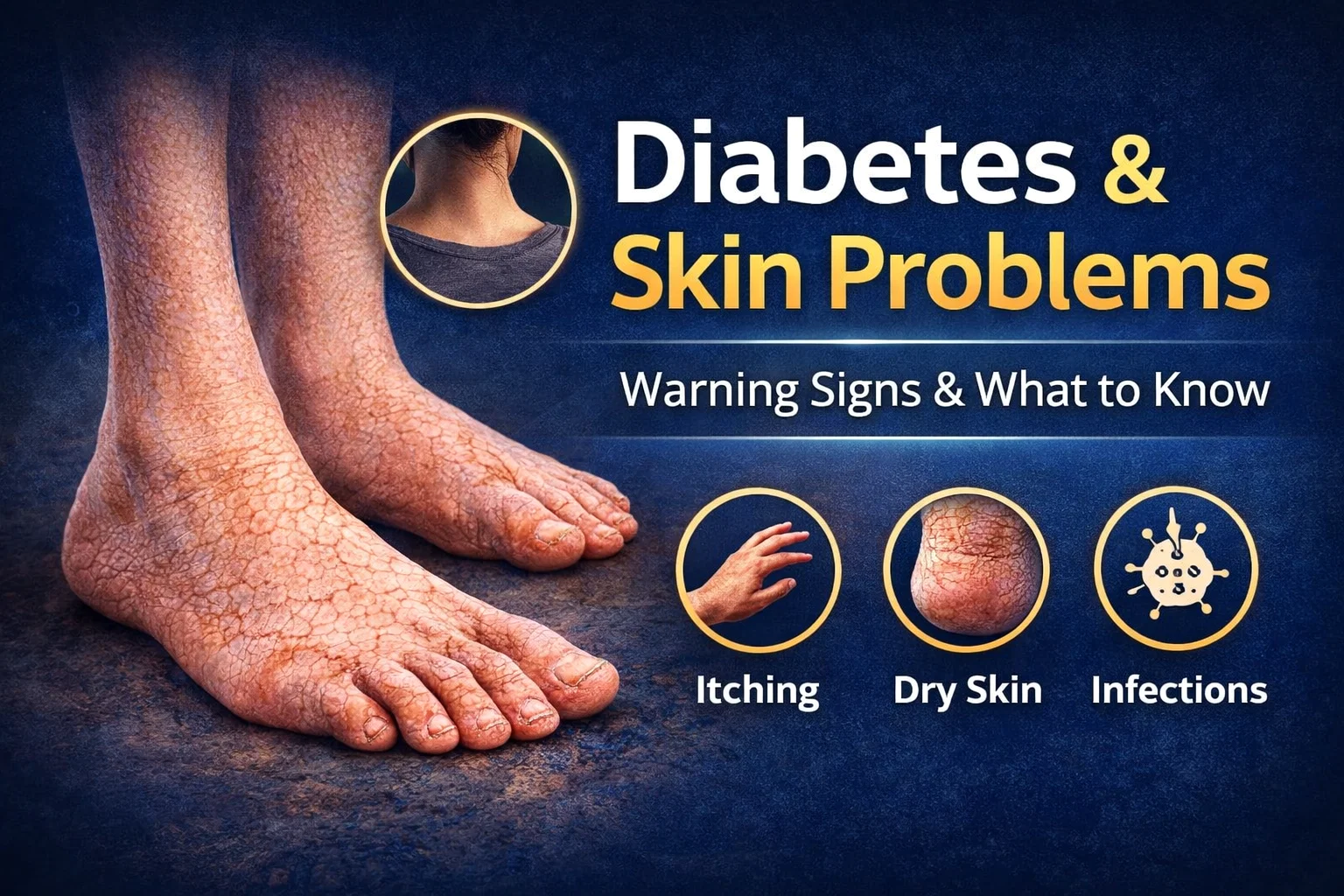
We all experience a bit of dryness during the winter months, but persistent, rough skin that refuses to heal even in normal climates is a classic metabolic signal. This type of dryness often feels different than standard dehydration. It can feel tight, look ashy, and even become painful if left untreated.
Common Problem Areas
- The Shins: This is one of the most common spots for diabetic dermopathy, where skin becomes thin and easily irritated.
- The Feet: Because circulation is often lower in the extremities, the feet lose moisture rapidly.
- Elbows and Hands: These high-friction areas often become “leathery” or excessively calloused.
The reason this happens is that high blood sugar causes the body to lose fluid more rapidly, leading to systemic dehydration. When the body tries to flush out excess sugar through urine, it pulls moisture from other tissues, including your skin. Over time, this results in a compromised skin barrier that cannot retain the oils necessary for softness and elasticity.
2. Itching Without a Visible Rash
Itching is an incredibly frustrating symptom because it is often invisible. You might find yourself scratching your legs, arms, or back throughout the day without any red bumps or hives present. This is frequently worse at night, leading to “night scratching” that disrupts your sleep cycle and leaves your skin feeling raw the next morning.
This phantom itch is often caused by poor circulation or yeast infections that haven’t quite reached the surface yet. In some cases, it is a precursor to neuropathy, where the nerves send “itch” signals to the brain because they are beginning to suffer from glucose-related damage. Keeping the skin hydrated with fragrance-free emollients can help, but addressing the underlying metabolic cause is the only way to find permanent relief.
3. Cracked Heels and Severely Dry Feet
Cracked heels are more than just a cosmetic nuisance; they are a significant health risk for those with high blood sugar. The long nerves in the body are usually the first to be affected by diabetic complications, and these nerves control the sweat and oil glands in your feet. When those glands stop functioning, the skin on your heels becomes brittle and eventually splits open.
These cracks, or fissures, act as silent entry points for infections. Because blood flow to the feet may also be reduced, your body struggles to send the necessary white blood cells to heal these small wounds. This creates a dangerous cycle where a simple dry heel can lead to a serious ulcer or infection. Regular foot inspections are an essential part of a wellness routine for anyone managing their glucose levels.
4. Darkening of the Neck and Underarms
Have you noticed a velvety, dark patch of skin on the back of your neck, your armpits, or your groin? This condition is known medically as Acanthosis Nigricans. While it might look like a stain or a lack of hygiene, it is actually a very specific sign of insulin resistance. It occurs because high levels of insulin in the blood cause skin cells to reproduce faster than normal, leading to a buildup of tissue that is darker and thicker than the surrounding area.
The fascinating (and helpful) thing about this symptom is that it often appears years before a formal diagnosis of Type 2 diabetes. It is a loud and clear warning from your body that your metabolism is working overtime to process sugar. The good news is that these patches often fade or disappear entirely once insulin levels are stabilized through diet, exercise, and proper medical care.
5. Recurrent Fungal and Bacterial Infections
Sugar is the primary fuel source for yeast and bacteria. When your blood and sweat have higher sugar concentrations, you become a walking buffet for these organisms. This leads to recurrent infections that seem to clear up with over-the-counter creams only to return a few weeks later.
Where to Watch for Infections
- Between the Toes: Often mistaken for simple athlete’s foot.
- Groin Folds: Constant moisture and friction make this a prime spot.
- Under the Breasts: An area frequently overlooked during standard skin checks.
If you find yourself constantly battling itchy, red, or burning rashes in skin folds, it might be time to look at your internal health. Keeping these areas dry and using antifungal powders is a great temporary fix, but long-term success requires a change in the internal environment that allows these fungi to thrive.
6. Slow Healing of Small Cuts and Bruises
In a healthy body, a small scratch or paper cut should begin to close within a day and disappear within a week. However, high blood sugar can significantly slow down this natural repair process. When glucose levels are high, the walls of the blood vessels become stiffer, making it harder for blood to flow to the site of an injury. Furthermore, the immune system becomes less efficient at fighting off the initial bacteria that enters a wound.
If you notice that a simple blister from a shoe or a minor scratch from gardening is taking weeks to heal, your body is signaling a bottleneck in its recovery system. This is a critical sign to watch for, as slow-healing wounds are a primary precursor to more severe diabetic complications. Treating every minor injury with extra care and monitoring is vital.
7. Burning, Tingling, or Numbness
Sometimes the skin doesn’t look different, but it feels different. Many people describe a sensation of “weakness” in their skin, or a feeling like ants are crawling under the surface. This burning or tingling, especially in the hands and feet, is often the beginning of peripheral neuropathy.
When nerves are damaged by high glucose, they begin to misfire. This can manifest as extreme sensitivity to touch or, conversely, a complete lack of feeling. Numbness is particularly dangerous because you might step on a sharp object or develop a blister without ever feeling the pain, allowing an infection to take hold unnoticed. This is why daily visual checks of the skin are so important when these sensations begin.
Clinical Insight: Why Early Detection Matters
The goal of identifying these “skin signals” is not to cause alarm, but to empower you with knowledge. The skin is a window into our metabolic health. By catching these signs early, you can make lifestyle adjustments that prevent long-term damage to your heart, kidneys, and nervous system. Small changes today can lead to a much healthier future tomorrow.
Checking your blood sugar early and often is the most effective way to validate what your skin is trying to tell you. Many people find that once they balance their nutrition and increase their daily activity, these skin issues resolve themselves naturally. It is a beautiful example of how the body can heal when given the right tools and environment.
Tips for Managing Your Skin Health
While addressing the internal cause is paramount, there are several things you can do to support your skin during the process. Creating a dedicated skin-care routine that focuses on protection and hydration can make a world of difference in your comfort levels.
- Hydrate from within: Drink plenty of water throughout the day to combat systemic dehydration.
- Use gentle cleansers: Avoid harsh soaps that strip the skin of its natural oils. Opt for “soap-free” or “moisturizing” body washes.
- Apply lotion while damp: To lock in moisture, apply your cream or ointment immediately after patting your skin dry with a towel.
- Wear breathable fabrics: Cotton and moisture-wicking materials help prevent the buildup of sweat that can lead to fungal infections.
- Perform daily foot checks: Use a mirror to look at the bottoms of your feet and between your toes every single evening.
Conclusion: Listening to Your Body
Your skin is more than just a protective layer; it is a sophisticated communication system. When it becomes dry, itchy, or discolored, it isn’t just “acting up” because of the weather. It is providing you with valuable data about your metabolic state. By paying attention to these seven warning signs, you are practicing a high level of self-awareness and self-care.
Remember that you don’t have to navigate these changes alone. If you notice any of these persistent issues, consult with a healthcare professional to discuss your metabolic health. Armed with the right information and a proactive mindset, you can keep your skin looking great and your body feeling even better. Save these tips to your wellness board and stay mindful of the signals your body is sending you every day.
Would you like me to generate some specific Pinterest-friendly descriptions or SEO-rich titles for this post to help boost your blog traffic?