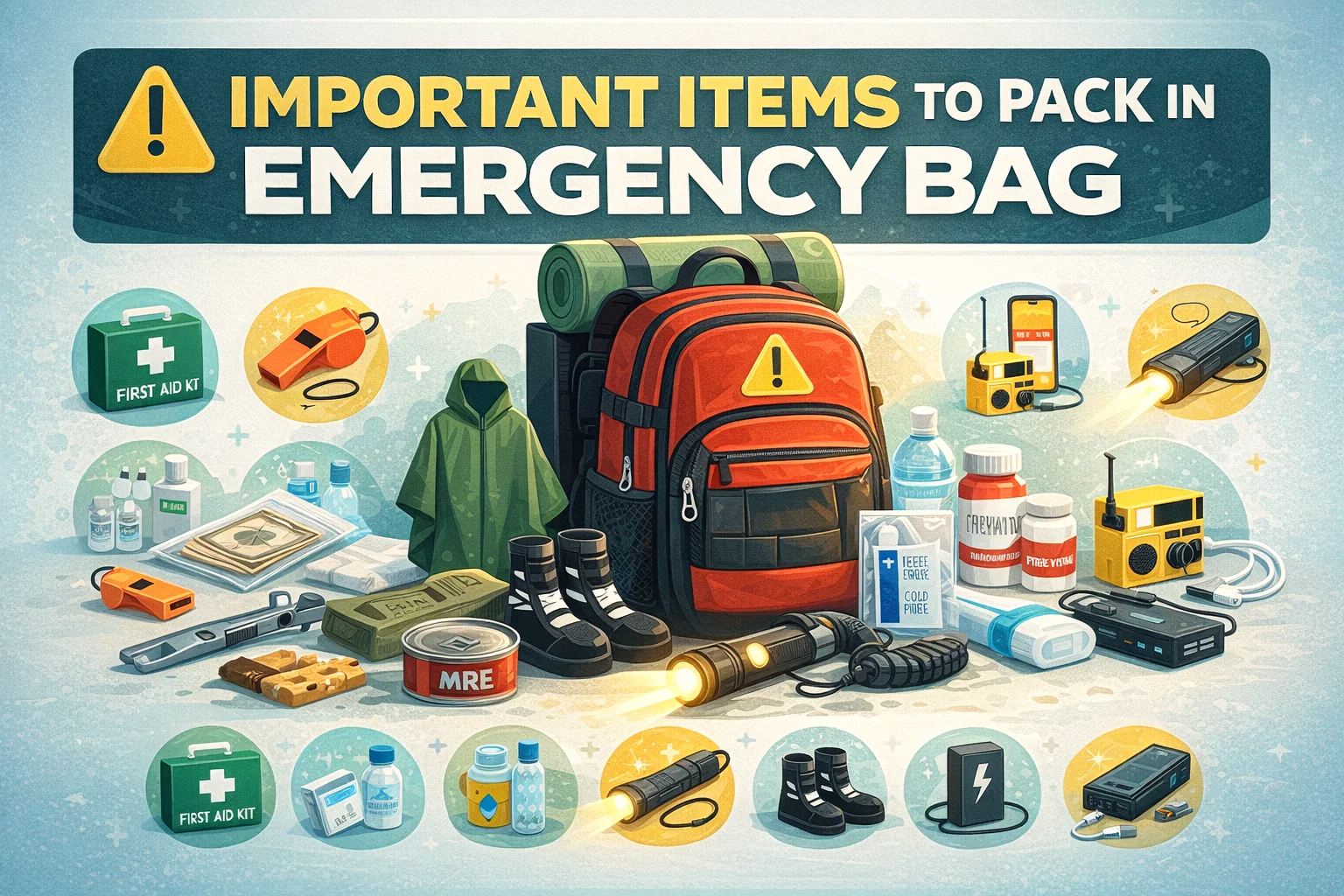
72 Essential Survival Items Ultimate Emergency Bug Out Bag Checklist Poster
Preparing for the unexpected is one of the most responsible steps you can take for yourself and your family. While we all hope for the best, history and nature have shown us that being ready for a sudden evacuation or a prolonged power outage can make a world of difference. An emergency bag, often called a bug out bag or a 72 hour kit, is more than just a collection of items. it is your mobile life support system during the first critical days of a crisis. This guide will walk you through every essential category found in a professional grade emergency kit to ensure you are never caught off guard.
Building a Solid Foundation with First Aid Essentials
In any emergency, minor injuries can quickly become major problems if not treated immediately. Your first aid kit should be the heart of your bag. Start with the basics like gauze pads and antiseptic wipes to clean and dress wounds. Bandages of various sizes are a must, along with antibiotic ointment to prevent infection.
Managing Pain and Inflammation
Stress and physical exertion during an emergency often lead to headaches or muscle pain. Including a supply of Advil or Tylenol is vital. Additionally, do not forget a 3 day supply of prescription medications. If you or a family member relies on specific medicine, having a backup in your bag ensures continuity of care when pharmacies might be closed. A cold pack is also a great addition for treating sprains or reducing swelling on the go.
The Lifelines of Communication
Staying informed and connected is your greatest strategy during a disaster. While we rely heavily on our cellphones, remember that towers can go down and batteries die. That is why a handcrank radio is a non negotiable item. It allows you to receive weather updates and emergency broadcasts without needing a wall outlet.
Power and Contacts
Keep your devices running with fully charged portable chargers and cables. However, technology can fail, so always include a laminated emergency contact info sheet. This should have phone numbers for family, neighbors, and out of state relatives. Finally, pack extra batteries for any electronic gear you carry. Having a physical backup of information ensures that even if your screen stays black, you still know who to call and where to go.
Safety Gear for Every Scenario
Visibility and signaling are crucial for rescue and navigation. A high quality flashlight and an LED camping lantern provide much needed illumination during night movements or power failures. For situations where batteries might run out, emergency light sticks offer a reliable, chemical based light source that lasts for hours.
Tools for Survival
A multitool is perhaps the most versatile item in your safety gear. It can open cans, cut wires, or tighten screws. To start a fire for warmth or cooking, include flint or waterproof matches. If you need to signal for help, a high decibel whistle is much more effective than shouting. To protect your lungs from debris or smoke, a dust mask is essential, while emergency thermal blankets help regulate body temperature in cold conditions.
Hydration and Nutrition: Staying Fueled
The human body can only go a few days without water, making water bottles or water packs your top priority. Since water is heavy to carry, supplement your supply with water purification tablets or a Lifestraw. These allow you to safely drink from natural sources like rivers or lakes if your stored supply runs out.
High Energy Food Choices
Your food should be lightweight, calorie dense, and require no cooking. Protein and granola bars, sacks of nuts and dried fruit, and beef jerky are excellent choices. For a quick energy boost, peanut butter or almond butter packets provide healthy fats and protein. If you include canned goods, do not forget a manual can opener. The goal is to maintain your energy levels so you can think clearly and move quickly if necessary.
Clothing and Protection from the Elements
Staying dry is the key to preventing hypothermia. A waterproof rain jacket or ponchos with hoods should be at the top of your clothing pile. Footwear is equally important. A sturdy pair of waterproof shoes will protect your feet from glass, debris, and wet terrain.
Packing for Comfort
Experts recommend packing at least 3 days worth of tops, bottoms, underwear, and socks. Avoid cotton if possible, as it holds moisture and takes a long time to dry. Choose synthetic or wool fabrics that wick sweat and keep you warm even when damp. Roll your clothes tightly to save space and keep them in plastic bags to ensure they stay dry inside your pack.
Hygiene and Sanitation for Long Term Health
Maintaining cleanliness is not just about comfort. it is about preventing illness. Hand sanitizers and bars of soap are basic necessities for keeping germs at bay. A toothbrush and toothpaste will help you feel refreshed and maintain oral health during a stressful time.
Specialized Care
Do not overlook feminine products and general sanitation items like wet wipes. These are often forgotten but are essential for dignity and health in the field. Keeping a small kit of toiletries can significantly boost morale when you are away from the comforts of home.
The Important Extras
Sometimes the most useful items are the ones that do not fit into a specific category. Duct tape is famous for its ability to fix almost anything, from a torn tent to a broken shoe. Sharpie pens and a notebook are useful for leaving notes for rescuers or keeping track of important information.
Financial and Personal Security
In a widespread power outage, credit card machines will not work. Carrying cash in waterproof bags or containers is a must. Include small bills that are easier to use for minor purchases. For those with pets, remember to pack dry pet packets and pet medications. Finally, ziplock bags of varying sizes are perfect for organizing small items and keeping your gear waterproof.
Customizing Your Bag for Your Unique Needs
While the list above covers the essentials, every person has unique requirements. If you have an infant, your bag will need diapers and formula. If you wear glasses, a spare pair is vital. Take the time to audit your bag every six months. Swap out food that is nearing its expiration date and check that your batteries still hold a charge. This regular maintenance ensures that when the time comes to grab your bag and go, everything inside is ready to perform.
Conclusion
Preparing an emergency bag is an investment in your future safety. By categorizing your needs into first aid, communication, safety gear, food, clothing, and hygiene, you create a comprehensive system that can handle almost any curveball life throws at you. Remember that readiness is a journey, not a destination. Start by gathering what you have at home today, and slowly build up to a fully stocked kit. Having these items organized in one place gives you the confidence to face the unknown with a clear head and a plan in place. Stay safe, stay prepared, and save these tips for your next organizational session.