75 Hard vs 75 Medium vs 75 Soft Challenge Which One Should You Choose Fitness Tips
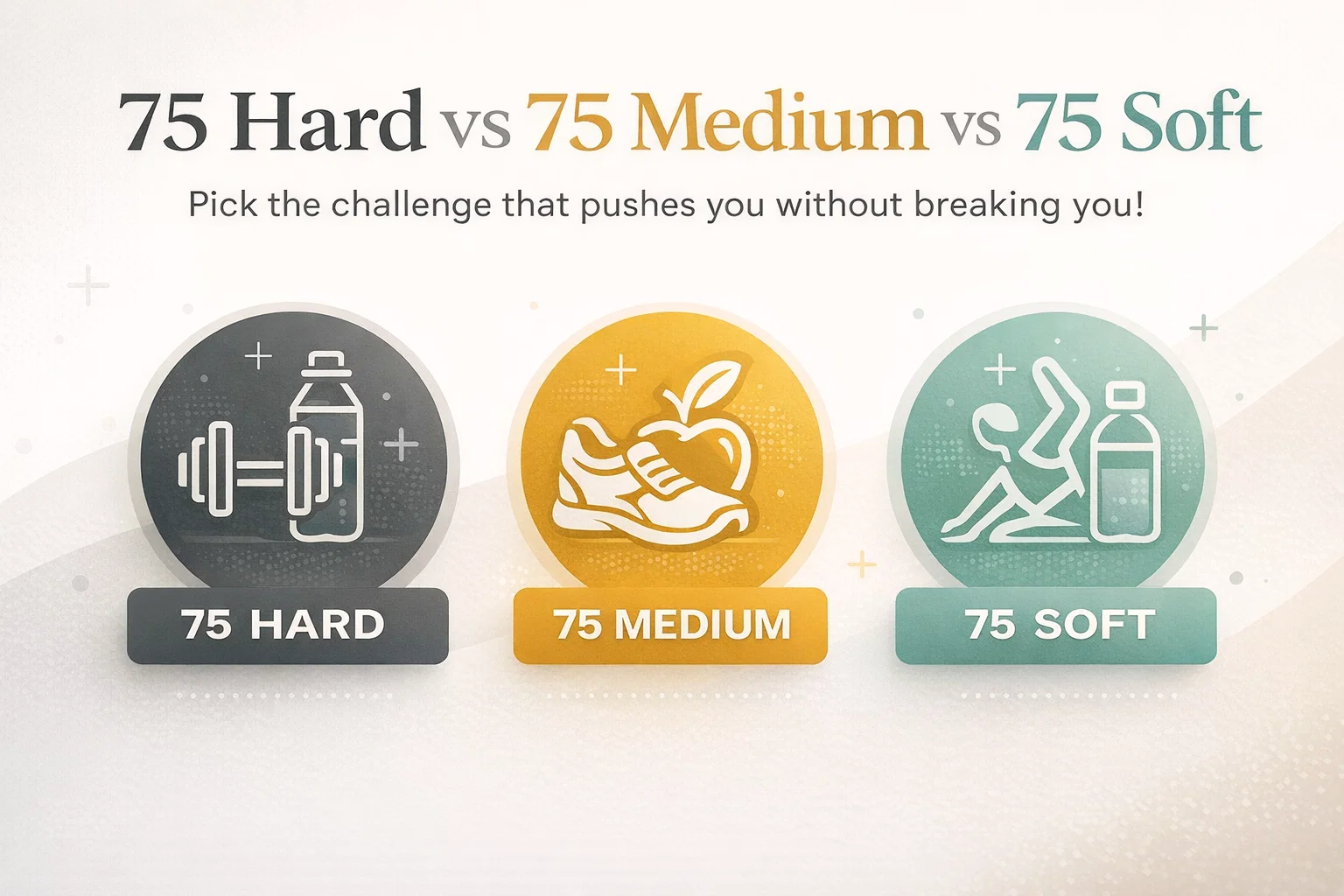
Embarking on a fitness journey is often met with a surge of initial motivation that quickly fades when the reality of a rigid schedule sets in. We have all seen the viral transformations from intense mental toughness programs, but the truth is that a single size does not fit all when it comes to personal growth. The beauty of the 75-day challenge framework is its versatility. By comparing 75 Hard, 75 Medium, and 75 Soft, you can identify a path that challenges your limits while remaining sustainable for your specific lifestyle. Whether you are a seasoned athlete looking for a mental reset or a beginner trying to drink more water and move your body, there is a version of this challenge designed for you. Let us dive deep into which one will help you evolve without causing a total burnout.
Understanding the 75 Hard Phenomenon
The 75 Hard program was originally designed as a mental toughness program rather than a simple fitness challenge. It is built on the idea that true change comes from discipline, not just motivation. The rules are non negotiable, and the stakes are high. If you miss a single task, even by accident, you must return to Day 1. This zero tolerance policy is what makes the “Hard” version so intimidating and yet so rewarding for those who finish.
The Core Rules of 75 Hard
To successfully navigate the hardest tier, you must commit to several daily tasks without fail. First, you must complete two 45 minute workouts every day. The catch is that one of these workouts must be outdoors, regardless of the weather. This builds resilience against excuses like rain or cold. Second, you must follow a strict diet of your choice with absolutely no cheat meals and zero alcohol. Hydration is also key, requiring you to drink a full gallon of water daily. Beyond the physical, you must read 10 pages of a non fiction self improvement book and take a daily progress photo to document your journey. It is a grueling pace that demands total focus.
The Balanced Approach: Why 75 Medium Works
If the thought of two workouts a day feels impossible with a full time job or family commitments, 75 Medium offers a fantastic middle ground. It maintains the core structure of the original challenge but adds a layer of flexibility that makes it more achievable for the average person. It is about building habits that stick rather than testing your breaking point.
Adjusting the Intensity for Sustainability
In the Medium version, the physical demands are scaled back to one 45 minute workout per day. You can choose to do this anywhere, meaning you can stay in the gym or follow a yoga flow in your living room. The diet remains healthy, but many participants allow themselves one treat or cheat meal per week to maintain social lives and sanity. The water intake is slightly lowered to around 80 to 100 ounces, which is still a significant increase for most people but more manageable than a full gallon. You still focus on reading and progress photos, but the restart rules are usually more relaxed, often only requiring a restart if you actually quit the program entirely.
75 Soft: The Gateway to Long Term Wellness
For those who are just starting their wellness journey or recovering from a period of high stress, 75 Soft is the perfect entry point. It focuses on “gentle consistency” rather than “strict intensity.” This version is less about “toughing it out” and more about creating a lifestyle that feels good and improves your overall health without the pressure of a looming Day 1 restart.
Making Healthy Living Accessible
The rules for 75 Soft are significantly more relaxed. You aim for one workout a day, which can be any activity from a brisk walk to a light stretching session. The diet is simply focused on eating “clean” or “healthy” without specific restrictions on calories or food groups. You drink about 64 ounces of water, which aligns with standard health recommendations. Reading is still encouraged, but you can choose any book you enjoy, including fiction. Progress photos become optional, removing the pressure of daily physical scrutiny. It is a wonderful way to prove to yourself that you can show up every day without the fear of failure.
Comparing the Three Tiers: A Quick Reference
Choosing the right challenge requires an honest look at your current habits and your ultimate goals. Below is a breakdown of how these three paths compare across the most important categories of the challenge.
- Daily Workouts: Hard requires two 45 minute sessions with one being outside. Medium requires one session anywhere. Soft requires one session of any activity.
- Dietary Restrictions: Hard allows no cheat meals or alcohol. Medium allows one treat per week. Soft focuses on general healthy eating with flexibility.
- Water Intake: Hard demands 1 gallon. Medium asks for 80 to 100 ounces. Soft suggests around 64 ounces.
- Reading Habits: Hard and Medium require 10 pages of non fiction. Soft allows 10 pages of any book, including audiobooks in some variations.
- Restart Protocol: Hard is a total restart for any mistake. Medium is a restart if you give up. Soft usually requires no formal restart.
The Psychological Benefits of 75 Day Challenges
Beyond the physical transformations, these challenges provide incredible mental benefits. Engaging in a structured program for 75 days helps to rewire the brain and create lasting habit loops. When you commit to a task daily, you are training your prefrontal cortex to prioritize long term goals over short term impulses.
Building Self Efficacy and Confidence
Every day that you check off your tasks, you are making a deposit into your “self trust” bank account. Many people struggle with fitness because they have a history of breaking promises to themselves. By completing even the Soft version of this challenge, you prove that you are capable of follow through. This newfound confidence often spills over into other areas of life, such as career performance and personal relationships.
Managing Stress Through Routine
In a world that often feels chaotic, a daily checklist provides a sense of control. Knowing exactly what you need to do for your health each day can actually reduce decision fatigue. Instead of wondering if you should work out or what you should eat, the rules of your chosen 75 day path make the decision for you. This structure can be incredibly grounding during stressful periods.
Common Pitfalls and How to Avoid Them
While these challenges are transformative, they are not without their hurdles. Many participants fall off the wagon within the first two weeks because they try to change too much too fast. If you are currently sedentary, jumping straight into 75 Hard might lead to injury rather than fitness.
Listen to Your Body
The “Hard” version encourages pushing through pain, but it is important to distinguish between “good” muscle soreness and “bad” injury pain. If you feel a sharp pain or excessive fatigue, it is okay to pivot to a Medium or Soft version. The goal is to finish the 75 days, not to end up in a doctor’s office. Sustainability should always be your North Star.
Plan for Social Events
One of the biggest reasons people fail is lack of preparation for social gatherings. Weddings, birthdays, and holiday parties will happen during your 75 days. If you are on the Hard or Medium paths, look at the menu ahead of time and decide what you will eat. Bring your own water bottle everywhere. Having a plan prevents you from making an impulsive decision in the heat of the moment.
Conclusion: Choosing Your Path Forward
The ultimate goal of any 75 day challenge is to come out the other side as a better version of yourself. There is no shame in choosing 75 Soft if that is what your current lifestyle allows. In fact, starting with a manageable goal and actually finishing it is far better than starting an extreme program and quitting after day three. The journey to wellness is a marathon, not a sprint. Look at your calendar, evaluate your energy levels, and pick the challenge that pushes you without breaking you. Whether you are drinking that gallon of water or just taking a daily walk, the most important thing is that you start today. Your future self will thank you for the discipline you build over the next 75 days.