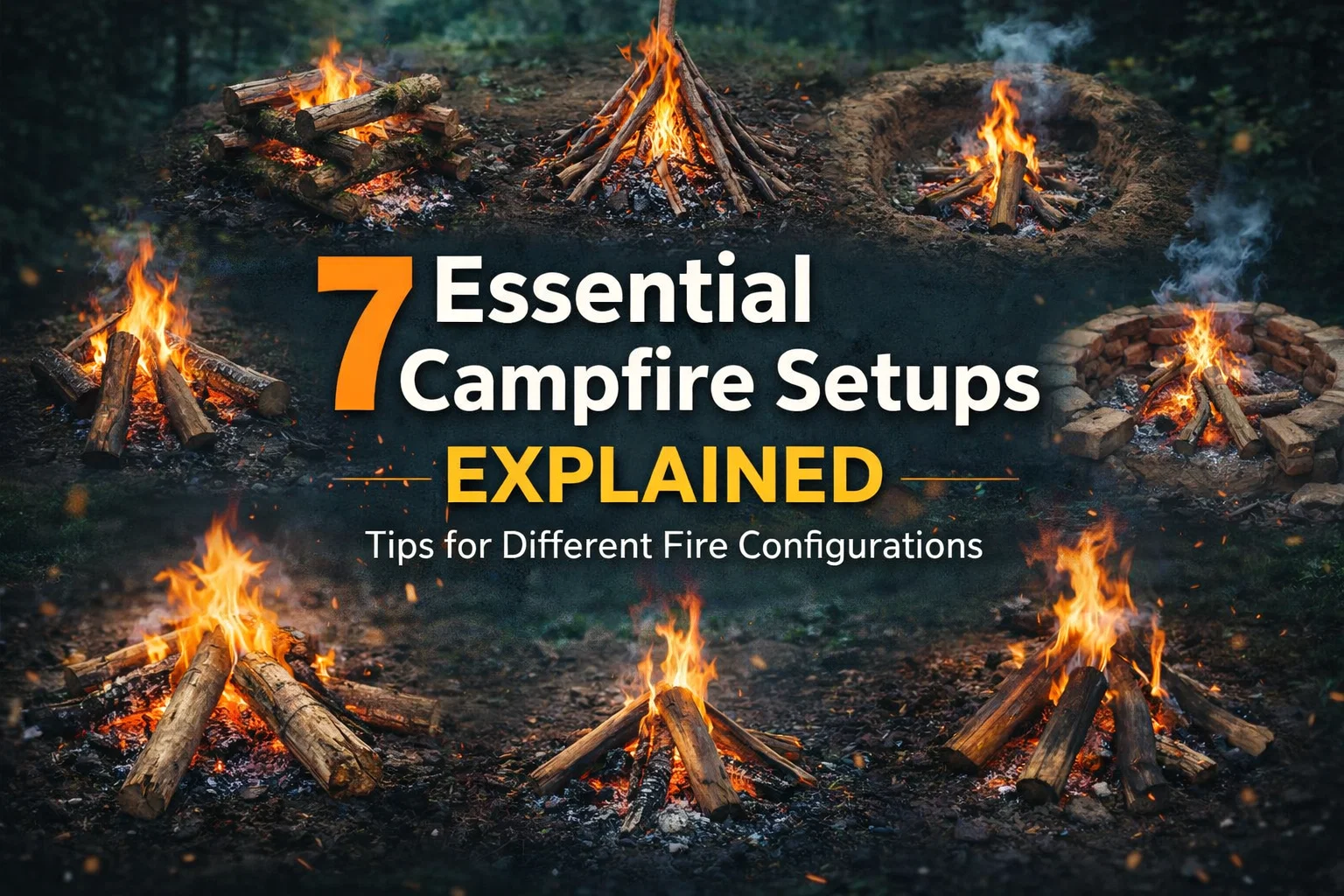
8 Best Campfire Layouts for Outdoor Cooking and Survival Different Types of Fire Builds
Building a successful campfire is one of the most fundamental skills for any outdoor enthusiast. It is more than just throwing some wood together and lighting a match. It is an art form that blends physics, environmental awareness, and practical necessity. Whether you are deep in the wilderness on a survival mission or simply enjoying a clear night in your backyard, the way you structure your logs determines how long the fire burns, how much heat it puts out, and how easy it is to cook your favorite meals. Understanding these different layouts allows you to adapt to any weather condition or terrain you might encounter.
The Foundations of a Perfect Fire Build
Before diving into specific structures, it is vital to understand the basic elements that every fire needs: fuel, heat, and oxygen. The layout of your wood acts as the engine that manages these three components. A structure that is too tight will choke the oxygen and leave you with nothing but smoke. Conversely, a structure that is too loose will cause the heat to dissipate before it can catch the larger logs. When you look at professional fire layouts, you are looking at optimized airflow systems designed for specific outcomes.
Selecting Your Materials
Every great fire starts with the right materials. You generally need three categories of wood. First is tinder, which includes dry leaves, pine needles, or wood shavings that catch a spark instantly. Second is kindling, consisting of small twigs and branches about the thickness of a pencil. Finally, you have your fuel logs, which are the larger pieces that provide sustained heat. Always look for dead and downed wood that is bone dry. If a branch snaps with a sharp sound, it is ready. If it bends, it still contains moisture and will struggle to burn efficiently.
Classic Layouts for Heat and Light
If your primary goal is to stay warm or provide a central gathering point for a group, certain layouts excel at throwing off a large amount of radiant heat. These are the iconic campfire shapes that most people recognize from scouts or camping movies.
The Tepee Fire: The Quick Starter
The Tepee fire is perhaps the most famous layout and for a good reason. By leaning your kindling and fuel logs against each other in a cone shape, you create a natural chimney effect. As the heat rises from the center, it draws fresh oxygen in through the bottom, causing the flames to grow rapidly. This build is perfect when you need light and heat quickly. However, keep in mind that Tepee fires consume wood fast and can collapse easily once the internal support burns through. It is best used as a starter structure before transitioning into a more stable layout like the Log Cabin.
The Pyramid Fire: Long-Lasting Warmth
The Pyramid fire, sometimes called a Top-Down fire, is the opposite of the Tepee in terms of longevity. You start by placing your largest logs on the bottom in a solid layer, then stack smaller logs on top in alternating directions. You light the very top of the stack. This allows the fire to slowly burn its way down through the layers. It is an incredibly efficient way to manage a fire because you do not have to keep adding wood every twenty minutes. It creates a beautiful, steady heat source that is perfect for a long evening of storytelling around the campsite.
Advanced Structures for Survival and Stealth
In survival situations or when you are dealing with harsh environmental factors like high winds, a standard surface fire might not be the best choice. This is where more technical builds come into play.
The Dakota Hole Fire: Windproof and Efficient
The Dakota Hole is a legendary survival fire used by those who need to remain inconspicuous or protect their flame from gale-force winds. This layout involves digging two small holes in the ground connected by a tunnel. You build the fire in one hole, while the other serves as an air intake. Because the fire is underground, it is shielded from the wind and concentrates heat directly upward, which is excellent for boiling water. It also produces very little visible light or smoke, making it a favorite for those who want a low-profile camp.
The Star Fire: Conserving Your Fuel
If wood is scarce, the Star Fire is your best friend. Instead of burning the entire log at once, you lay five or six logs on the ground pointing toward a central point like the spokes of a wheel. You light the fire at the center where the tips meet. As the ends of the logs burn away, you simply push them further into the center. This allows you to control the size of the fire perfectly and ensures that no wood goes to waste. It was a common method used by various indigenous cultures because it allows the fire to be easily extinguished and restarted the next day.
Optimizing Your Fire for Outdoor Cooking
Cooking over an open flame is one of the greatest joys of camping, but a massive bonfire is actually terrible for cooking. For the best results, you need a layout that provides a stable surface for pots and creates a consistent bed of hot coals.
The Log Cabin Fire: The Ultimate Cooking Platform
The Log Cabin is built by stacking logs in pairs at right angles, creating a square structure with an empty center where you place your tinder and kindling. This provides a very sturdy, flat top that can support heavy cast iron pans or griddles. As the logs burn, they fall inward and create a deep, even bed of coals. This is the gold standard for anyone planning to cook a multi-course meal over the fire because it offers the best balance between stability and airflow.
The Keyhole and T-Fire Methods
If you need to cook and stay warm at the same time, the Keyhole or T-Fire layouts are the way to go. These involve digging or lining a shape in the dirt that looks like a keyhole or the letter T. You build a large, roaring fire in the main circular section to generate heat and light. As the wood turns into hot coals, you use a stick to rake those coals into the narrower rectangular section. This gives you a dedicated cooking area with adjustable heat while the main fire continues to burn and provide warmth for the rest of the camp.
The Long Fire: Feeding a Crowd
The Long Fire is exactly what it sounds like. Instead of a circular pit, you lay two large logs parallel to each other with a small gap in between. You build your fire along the length of the gap. This layout is fantastic for cooking for large groups because it creates a long line of heat where multiple pots can sit side by side. It is also a traditional way to stay warm while sleeping, as the heat is distributed evenly along the length of your body rather than being concentrated in one spot.
Fire Safety and Leave No Trace Principles
With the power of fire comes great responsibility. Regardless of which layout you choose, safety should always be your top priority. Before you even strike a match, ensure that your fire pit is at least fifteen feet away from tents, low-hanging branches, or dry brush. Always clear the ground down to the bare mineral soil to prevent the fire from spreading through root systems or dry duff.
Extinguishing Your Fire Properly
A fire is not out until the coals are cool to the touch. The best method is the drown, stir, and feel technique. Pour water over the embers, stir them with a stick to ensure every part is soaked, and then carefully place your hand near the ashes. If you still feel heat, repeat the process. Leaving a smoldering fire is the leading cause of wildfires, so take the extra ten minutes to make sure it is completely dead before you leave your site or go to sleep.
Respecting the Environment
Always follow Leave No Trace principles. If there is an existing fire ring, use it rather than building a new one. If you are in a sensitive wilderness area, consider using a fire pan or a mound fire to protect the ground from being scorched. By choosing the right layout and practicing responsible fire management, you ensure that the wilderness remains beautiful and safe for the next person to enjoy.
Conclusion: Choosing the Right Tool for the Job
Every campfire layout has a specific purpose. There is no single best way to build a fire, but there is always a best way for your specific situation. If you need a quick boost of warmth, go with the Tepee. If you are preparing a gourmet camp meal, the Log Cabin or Keyhole fire will serve you best. If you find yourself in a survival scenario with limited wood, the Star Fire or Dakota Hole could be a lifesaver. By practicing these different builds, you develop a deeper connection with the outdoors and gain the confidence to handle whatever challenges nature throws your way. So, next time you head out into the woods, skip the random pile of sticks and try one of these intentional structures. You will be amazed at how much more efficient and enjoyable your camping experience becomes.