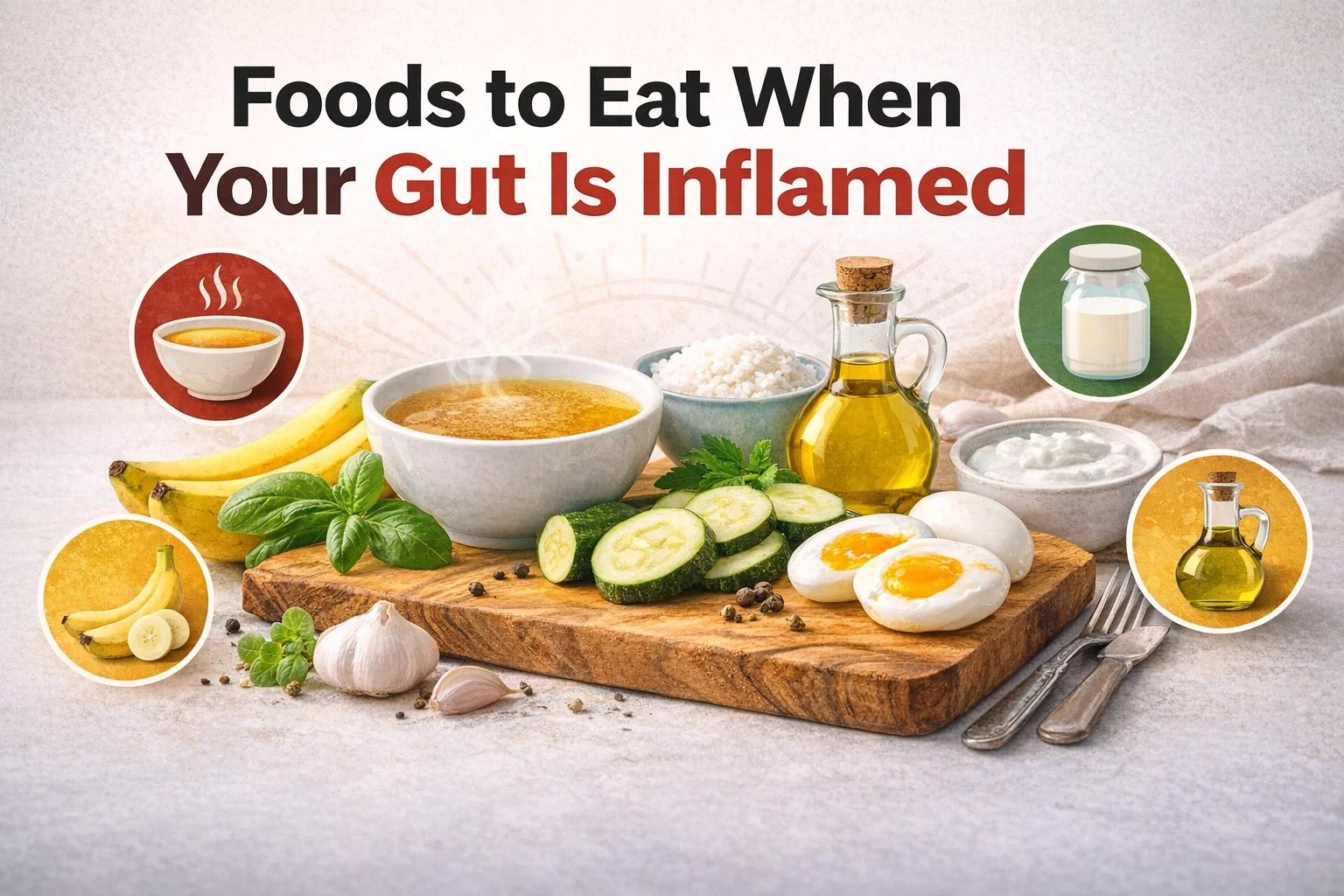
8 Best Foods to Eat for Gut Inflammation Relief Digestive Healing
When your gut is inflamed, every meal can feel like a high-stakes decision. We have all experienced those days where digestion feels off, and suddenly, even simple foods seem to cause discomfort. If you are struggling with bloating, pain, or general digestive unrest, the good news is that what you put on your plate can make a significant difference. By focusing on easily digestible, nutrient-dense foods, you can give your digestive system the rest and repair time it desperately needs.
Shutterstock
Inflammation in the gut is often the body’s way of signaling that something is out of balance. Whether it is due to stress, food sensitivities, or underlying health issues, calming that fire is the first step toward feeling like yourself again. This is not about long-term restriction, but rather about choosing gentle foods that provide nourishment without adding unnecessary stress to your digestive tract.
Why Gut Healing Starts in the Kitchen
The digestive system is an incredibly complex environment that relies on a delicate balance of bacteria, enzymes, and lining integrity. When inflammation occurs, the lining can become permeable, often referred to as leaky gut, which triggers immune responses and further discomfort. Choosing the right foods is not just about avoiding “bad” triggers; it is about actively supporting the repair of your gut mucosa.
Focusing on anti-inflammatory and low-residue foods allows your body to redirect energy from breaking down complex, fiber-heavy meals toward actual cellular repair. Think of it as a temporary soothing protocol designed to reset your baseline.
The Role of Bone Broth and Hydration
One of the most effective tools for gut repair is bone broth. Rich in amino acids like glutamine and glycine, it acts as a building block for the cells that line the digestive tract. These amino acids are essential for maintaining the barrier function of the intestines. Because it is essentially a liquid, your body does not need to expend significant energy or stomach acid to break it down, making it perfect for an inflamed system.
Core Foods for a Soothing Digestive Protocol
When you are in the thick of a flare-up, simplicity is your best friend. Incorporating specific, gentle foods can significantly lower the burden on your digestion.
- Cooked White Rice: Unlike whole grains which can be harsh on an inflamed bowel, white rice is low in fiber and very easy to digest. It provides necessary carbohydrates for energy without causing excessive fermentation or irritation.
- Steamed Zucchini: Vegetables are healthy, but raw, fibrous vegetables can be difficult to break down during a flare-up. Steaming zucchini removes the toughness, making it a low-residue option that is much kinder to the gut.
- Poached Eggs: Eggs are a fantastic source of high-quality, bioavailable protein. Poaching them avoids the use of heavy fats or frying, ensuring they are easy for your body to process.
- Steamed Potatoes: Similar to rice, potatoes are a gentle source of energy. Steaming them keeps them soft and easy to digest, which helps soothe the stomach lining.
The Importance of Healthy Fats
Not all fats are created equal when your gut is inflamed. While heavy, fried, or highly processed fats can exacerbate inflammation, high-quality fats like olive oil can have the opposite effect. Olive oil is packed with polyphenols, which are powerful anti-inflammatory compounds. Incorporating a small amount of extra virgin olive oil into your meals can help support the overall balance of your digestive system.
Integrating Fermented Foods Wisely
We often hear that probiotics are the magic bullet for gut health, but when your gut is actively inflamed, more is not always better. Fermented foods like yogurt and kefir are excellent for the microbiome, but they should be introduced in small amounts.
If your gut is already irritated, high doses of active cultures can sometimes cause bloating or discomfort. Start with a spoonful to see how your body reacts. If tolerated well, these foods help reintroduce beneficial bacteria, which is a crucial step for long-term gut health.
Supporting Stool Consistency and Comfort
During periods of digestive distress, managing stool consistency is key to avoiding further irritation. Bananas are a classic staple for a reason. They are soft, easy to digest, and contain soluble fiber, which helps absorb excess fluid and provides a soothing texture for the digestive tract.
Combining these foods effectively can help you navigate difficult days while ensuring your body still receives the fuel it needs to function properly.
Moving Toward Long-Term Gut Wellness
It is important to remember that this approach is meant to be a therapeutic tool rather than a lifelong diet. Once the acute inflammation subsides, you should gradually reintroduce a wider variety of whole foods, focusing on diverse sources of fiber and nutrients. The goal of this protocol is to reduce immediate stress, facilitate healing, and help you return to a state where your body can handle a wider range of foods comfortably.
When to See a Professional
While diet is a powerful pillar of health, it cannot replace medical care. If you are experiencing persistent digestive pain, changes in bowel habits, unintentional weight loss, or blood in your stool, please consult with a gastroenterologist or a qualified dietitian. These could be signs of more serious conditions that require targeted medical intervention beyond dietary adjustments.
Final Thoughts on Your Healing Journey
Healing an inflamed gut is a marathon, not a sprint. Be patient with your body and listen to the signals it sends you. By focusing on simple, whole, and easily digestible foods, you are giving yourself the best possible environment to recover and thrive. Keep your meals gentle, stay hydrated, and focus on slow, mindful eating to support your digestion every step of the way. With time and the right nourishment, your gut can return to a state of balance and comfort.
Would you like me to create a printable meal plan template based on these gut-friendly foods to help you get started?