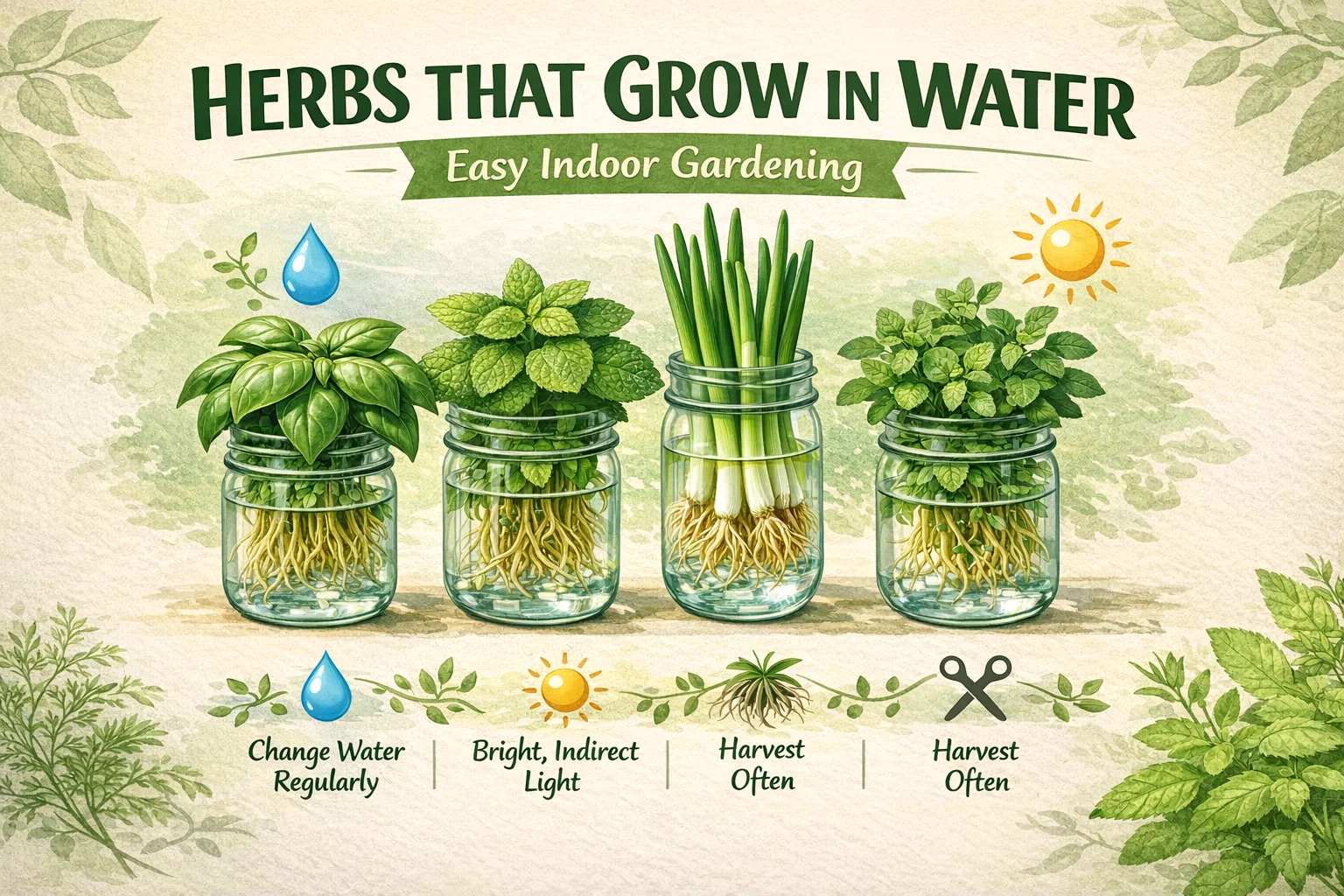
8 Best Herbs to Grow in Water Easy Indoor Herb Garden Guide for Beginners
Imagine walking into your kitchen and being greeted by a lush, vibrant wall of green that smells as incredible as it looks. There is something deeply satisfying about plucking fresh basil for a homemade caprese salad or dropping a few mint leaves into your morning tea without ever having to step outside. Indoor gardening has seen a massive surge in popularity, but for many, the mess of soil and the complexity of drainage systems can be a bit intimidating. That is where the magic of water-grown herbs comes in. This simple, elegant method of hydroponic growing allows you to cultivate a sustainable indoor garden using nothing more than glass jars, fresh water, and a bit of sunlight. It is the ultimate life hack for urban dwellers, busy parents, or anyone looking to add a touch of nature to their home decor while keeping their pantry stocked with fresh flavors.
Why Growing Herbs in Water is a Game Changer
Growing herbs in water, also known as hydro-culture, is one of the most beginner-friendly ways to start your gardening journey. Unlike traditional soil-based gardening, you do not have to worry about over-watering or under-watering in the same way. The plant takes exactly what it needs, and the clear glass allows you to monitor the health of the root system in real time. It is also an incredibly clean process. There are no bags of potting mix to lug around, no dirt on your countertops, and a significantly lower risk of soil-borne pests like fungus gnats invading your living space.
The Aesthetic and Functional Appeal
Beyond the practical benefits, there is an undeniable aesthetic charm to a row of mason jars filled with green onions, rosemary, and oregano. These jars act as living decor, softening the hard lines of a modern kitchen and bringing a sense of tranquility to the room. From a functional standpoint, having these herbs at arm’s reach encourages healthier cooking habits. When fresh cilantro or thyme is right there on the counter, you are far more likely to experiment with new recipes and reduce your reliance on dried, store-bought spices that often lose their potency over time.
Top 8 Herbs That Thrive in an Indoor Water Garden
Not every plant is suited for a life in water, but many of the most popular culinary herbs are surprisingly resilient. Based on the most successful indoor setups, here are the top eight herbs you can start growing today.
- Basil: Perhaps the most popular herb for water growing, basil roots quickly and loves the consistent moisture. It is perfect for pesto and pasta dishes.
- Mint: Known for being hardy and fast-growing, mint will happily take over a jar in no time. It is excellent for cocktails, teas, and fruit salads.
- Green Onions: These are the easiest to regrow. Simply save the white bulb ends from your grocery store haul, place them in water, and watch them shoot up within days.
- Oregano: A staple in Mediterranean cooking, oregano is a tough herb that transitions well to water. Just ensure the leaves stay above the water line to prevent rot.
- Thyme: This woody herb takes a little longer to root than mint, but once it starts, it is very low maintenance.
- Rosemary: While it prefers a bit more light, rosemary cuttings can live in water for a long time, providing that signature earthy aroma.
- Cilantro: Often tricky in soil because it bolts quickly, cilantro can be kept manageable in a water-based environment.
- Lemon Balm: A member of the mint family, lemon balm is wonderful for reducing stress and adds a bright, citrusy note to your indoor herb collection.
The Step-by-Step Guide to Starting Your Water Garden
Getting started is remarkably simple, but there are a few key steps to ensure your herbs do not just survive, but truly thrive. First, you will need to select your containers. Clear glass jars or bottles are ideal because they allow sunlight to reach the stems and let you see when the water needs changing. However, some gardeners prefer amber-colored glass to help slow down the growth of algae.
Selecting and Preparing Your Cuttings
Instead of starting from seeds, which can be difficult in water, it is best to use cuttings. Take a 4 to 6 inch cutting from a healthy, established plant. Use sharp, clean scissors to make a diagonal cut just below a leaf node. The node is where the roots will eventually sprout. Remove the lower leaves so that no foliage is submerged in the water, as submerged leaves will quickly rot and foul the water.
Setting Up the Environment
Fill your jar with room-temperature water. If you are using tap water, let it sit out for about 24 hours to allow any chlorine to dissipate. Place your cutting into the jar, ensuring the stem is submerged but the remaining leaves are well above the rim. Now, find the right spot. Most herbs need at least six hours of bright, indirect light. A windowsill is usually perfect, but be careful of direct midday sun which can overheat the water and cook the delicate roots.
Essential Maintenance Tips for Long-Term Success
Even though this method is low maintenance, it is not “set it and forget it.” To keep your herbs vibrant and healthy, you should follow a few basic care rules. The most important is changing the water. Aim to refresh the water every five to seven days. This prevents stagnation and ensures the plant has access to fresh oxygen. If you notice the water becoming cloudy or green with algae, give the jar a good scrub before refilling it.
Monitoring Root Health
One of the joys of water gardening is watching the roots grow. Healthy roots should be white or light tan and look firm. If you see roots turning black or feeling slimy, this is a sign of root rot. In this case, trim away the damaged sections, clean the jar thoroughly, and replace the water. You can also add a tiny pinch of powdered charcoal to the water to help keep it pure and discourage bacterial growth.
Feeding Your Water-Grown Herbs
Since water does not contain the natural nutrients found in soil, your herbs will eventually need a little boost. After about a month, when you see a solid root system established, you can add a few drops of liquid organic fertilizer specifically designed for hydroponics. Use a very diluted strength to avoid burning the plant. This will keep the leaves green and the flavors intense.
Harvesting Your Herbs Without Killing the Plant
The goal of an indoor herb garden is to use it! However, how you harvest matters. Always use sharp shears rather than pulling at the stems. For most herbs, you should never harvest more than a third of the plant at once. This ensures the herb has enough foliage left to continue photosynthesizing and growing. For herbs like basil and mint, pinching off the top set of leaves encourages the plant to grow bushier rather than taller, giving you a more productive harvest in the long run.
Using Your Fresh Harvest
Freshly harvested herbs are at their peak flavor immediately after cutting. Use your water-grown basil for a fresh Margherita pizza, or muddle your lemon balm into a relaxing evening tea. Because these plants are grown without pesticides or soil, a quick rinse is all they need before they are ready for your recipes. The difference in taste between a leaf plucked seconds ago and a plastic clamshell of herbs from the store is truly night and day.
Common Challenges and How to Overcome Them
While growing in water is easier than soil, you might run into a few hiccups. Algae growth is the most common issue. Algae thrives in light and nutrient-rich water. If it becomes a persistent problem, consider wrapping your jar in decorative paper or using an opaque container to block the light from hitting the water directly. Another issue is slow growth during the winter months. Herbs are sensitive to temperature and light levels. If your kitchen gets chilly or the days get too short, you might want to supplement with a small LED grow light to keep the garden active through the colder seasons.
The Sustainable Impact of Indoor Gardening
Choosing to grow your own herbs is a small but meaningful step toward a more sustainable lifestyle. It reduces the demand for herbs that are grown in industrial greenhouses, packaged in single-use plastics, and shipped across the country. By regrowing kitchen scraps like green onions, you are also reducing food waste. It is a beautiful cycle that connects you more deeply to the food you eat and the environment you live in. Plus, the presence of plants in your home has been scientifically proven to reduce stress and improve indoor air quality, making your home a healthier place to be.
Bringing Nature Into Your Daily Rituals
There is a therapeutic element to tending an indoor garden. The simple act of changing the water or checking for new root growth can become a grounding part of your daily routine. It invites a moment of mindfulness into a busy schedule. Whether you are a seasoned gardener or someone who has struggled to keep a succulent alive, growing herbs in water offers a path to success that is both rewarding and beautiful. It simplifies the process of cultivation down to its most basic elements: light, water, and life.
A Creative Project for All Ages
This is also a fantastic project for children. Because the roots are visible through the glass, it provides a clear, fascinating window into how plants function. It is a living science lesson that ends with a tasty reward. You can experiment with different types of jars, create custom labels, and let each family member be responsible for their own herb. It turns the kitchen into a laboratory of growth and discovery.
Wrapping Up Your Hydroponic Journey
Starting an indoor herb garden in water is one of the most fulfilling DIY projects you can undertake. It bridges the gap between home decor and functional homesteading, proving that you do not need an acre of land to be a gardener. By selecting the right herbs like basil, mint, and rosemary, providing them with bright indirect light, and keeping their water fresh, you can enjoy a perpetual harvest of organic flavors. So, grab a few jars, take some cuttings, and start your own water garden today. Your kitchen, your recipes, and your well-being will thank you for the touch of fresh, living green.