8 Best Hydrating Fruits to Boost Hydration Energy High Water Content Fruits
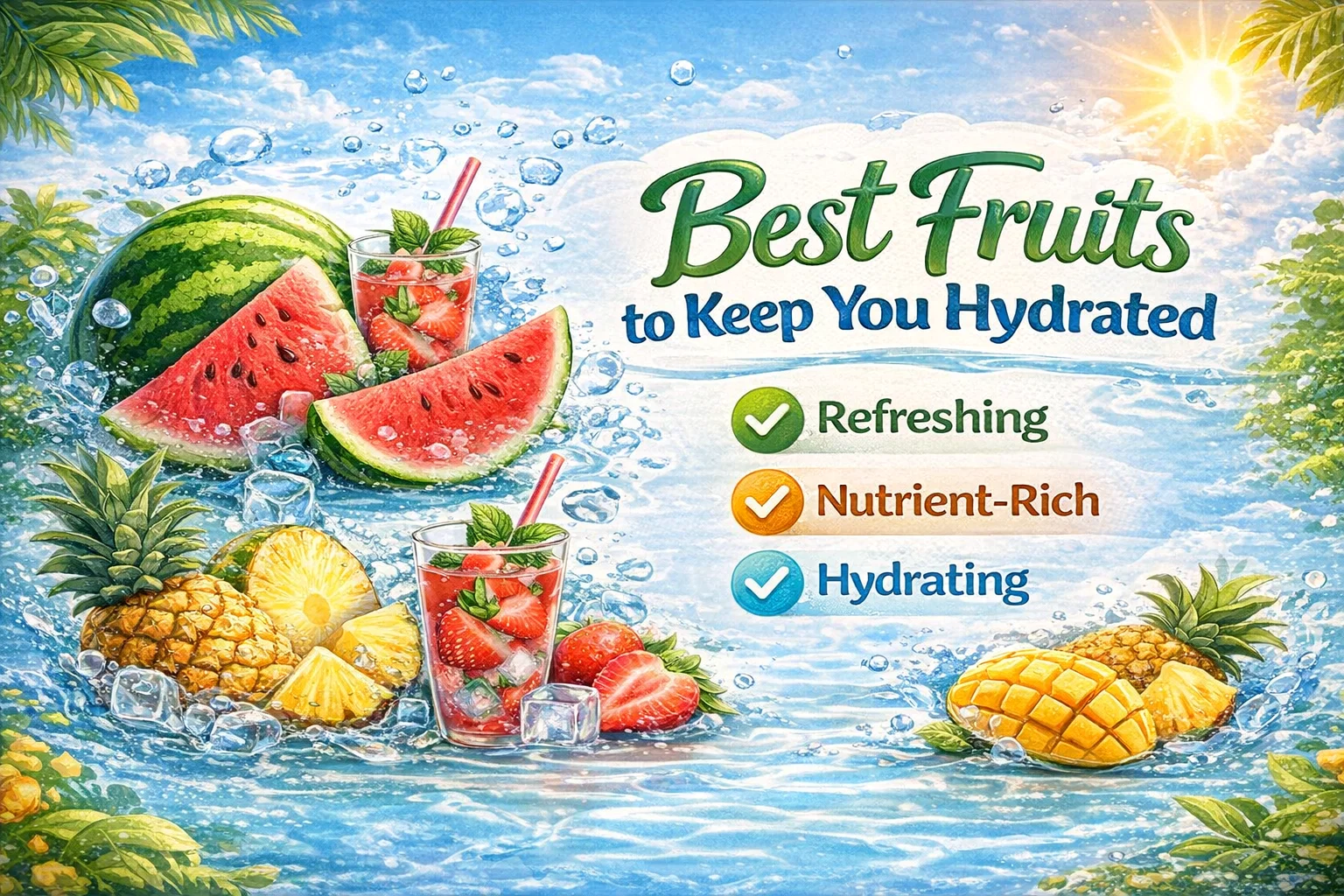
Staying hydrated is about more than just carrying a water bottle everywhere you go. While drinking plenty of water is the foundation of health, you can actually eat your way to better hydration levels. Nature has provided an incredible array of juicy, nutrient dense fruits that act like natural hydration capsules. These fruits do not just provide water; they deliver essential vitamins, minerals, and electrolytes that help your body absorb moisture more effectively. If you find it hard to chug plain water all day long, incorporating these vibrant fruits into your diet is the perfect solution to keep your energy high and your skin glowing.
The Science of Cellular Hydration
Many people wonder why eating fruit is sometimes considered more effective for hydration than drinking water alone. The secret lies in the structure of the water found in plants. This is often referred to as structured water or gel water. Because this water is bound within the cellular structure of the fruit, it is released more slowly into your system during digestion. This slow release allows your cells more time to absorb the moisture, preventing that bloated feeling that sometimes comes from drinking too much water too quickly.
Furthermore, these fruits are packed with electrolytes like potassium, magnesium, and calcium. Electrolytes are the spark plugs of the body; they carry electrical charges that manage muscle function and repair damaged tissue. When you sweat, you lose these minerals. Eating a slice of watermelon or a handful of strawberries helps replenish those levels instantly, making these fruits the ultimate natural sports drinks.
1. Watermelon: The Heavyweight Champion of Hydration
It is no surprise that watermelon sits at the top of the list. With a water content of approximately 92 percent, it is one of the most hydrating foods on the planet. Watermelon is synonymous with summer picnics and poolside snacks for a very good reason. It is incredibly refreshing and provides a cooling sensation that is hard to beat when the temperature rises.
Nutrient Profile of Watermelon
Beyond its water content, watermelon is a powerhouse of Vitamin C and Vitamin A. These antioxidants are crucial for maintaining healthy skin and supporting your immune system. It also contains lycopene, a potent phytonutrient that helps protect your skin from sun damage. Tip: Try adding a pinch of sea salt to your watermelon slices. The salt enhances the flavor and adds a tiny bit more sodium to help with electrolyte balance after a workout.
2. Strawberries: A Sweet Burst of Moisture
Strawberries are not just delicious dessert toppers; they are nearly 91 percent water. This makes them one of the most hydrating berries you can find. Because they are low in calories and high in fiber, they are a fantastic snack for anyone looking to maintain a healthy weight while staying refreshed.
Skin Health and Antioxidants
Strawberries are famous for their high concentration of Vitamin C. In fact, a single serving of strawberries contains more Vitamin C than an orange. This vitamin is essential for collagen production, which keeps your skin looking plump and hydrated from the inside out. They also contain flavonoids that fight inflammation, making them a great choice for recovery after a long day in the sun.
3. Oranges: The Electrolyte Replenisher
With a water content of about 86 percent, oranges are a classic choice for hydration. We often think of them primarily for their Vitamin C, but their real secret weapon for hydration is their mineral content. Oranges are rich in potassium, which is a key electrolyte that helps regulate fluid balance in your body.
Why Oranges Are Great for Athletes
If you have ever seen soccer players eating orange slices at halftime, there is a scientific reason for it. The natural sugars provide a quick energy boost, while the water and potassium prevent muscle cramps. Oranges help replenish the electrolytes lost through sweat, making them much more effective than sugary, artificial energy drinks. Plus, the fiber in the pulp ensures that the sugar is released slowly into your bloodstream.
4. Pineapple: Digestion Meets Hydration
Pineapple is a tropical favorite that brings a lot more to the table than just a sweet, tangy flavor. It is highly hydrating and incredibly refreshing on a hot afternoon. One of the most unique benefits of pineapple is that it contains bromelain, an enzyme that helps break down proteins and supports healthy digestion.
Tropical Refreshment
When your digestion is working smoothly, your body can process nutrients and water more efficiently. Pineapple is also loaded with manganese, which is important for bone health and metabolism. Whether you enjoy it fresh, grilled, or blended into a smoothie, pineapple is a delicious way to boost your daily fluid intake while treating your gut to some beneficial enzymes.
5. Peach: The Skin and Body Soother
Peaches consist of roughly 89 percent water, making them a juicy and satisfying snack. They are particularly well known for being good for the skin and body due to their high fiber content and abundance of Vitamin A and Vitamin C. These vitamins work together to repair skin tissues and maintain a healthy complexion.
Fiber and Fullness
The fiber in peaches is not just good for digestion; it also helps you feel full for longer. This makes peaches an excellent snack for mid-afternoon cravings. Instead of reaching for a dry granola bar, a juicy peach provides the moisture your body is likely craving, as we often mistake thirst for hunger. The natural sweetness is just an added bonus!
6. Muskmelon: Great for Hot Climates
Muskmelon, also known in many regions as cantaloupe, is a hydration hero with about 90 percent water content. It is specifically recommended for those living in hot or tropical climates because of its ability to cool the body down rapidly. It is light on the stomach and very easy to digest.
The Power of Beta Carotene
The bright orange flesh of the muskmelon is a sign that it is packed with beta carotene, which the body converts into Vitamin A. This is vital for eye health and a strong immune system. Combined with a healthy dose of potassium, muskmelon helps maintain stable blood pressure and keeps your heart healthy while you stay hydrated.
7. Apple: Staying Full and Hydrated
The old saying about an apple a day holds true for hydration as well. Apples are approximately 86 percent water. While they may seem crunchy and solid, they hold a significant amount of moisture within their fibers. They are the perfect portable snack because they do not bruise as easily as berries or peaches.
Fiber and Longevity
Apples are incredibly high in pectin, a type of soluble fiber that promotes gut health. Because they take a bit longer to chew and are high in fiber, they keep you feeling full and satisfied. This slow digestion helps the water content in the apple stay in your system longer, providing a steady stream of hydration throughout your morning or afternoon.
8. Mango: The Energizing Hydrator
Mangoes are often called the king of fruits, and while their water content is slightly lower at 83 percent compared to watermelon, they make up for it with a massive boost of energy and nutrients. Mangoes are dense with Vitamin A and Vitamin C, providing a tropical punch of antioxidants with every bite.
The Perfect Energy Boost
If you are feeling sluggish due to dehydration, a mango can help wake up your system. The natural sugars provide a healthy spike in energy, while the water and fiber keep things balanced. They are incredibly versatile and can be used in salads, salsas, or eaten fresh off the pit. Mangoes prove that staying hydrated can be a truly gourmet experience.
Practical Tips for Maximum Hydration
Knowing which fruits to eat is only half the battle. To truly see the benefits of these hydrating foods, you should aim to incorporate a variety of them into your daily routine. Here are some quick tips to get the most out of your fruit intake:
- Eat a Variety: Try to consume 2 to 3 different types of hydrating fruits every day. Each fruit offers a different set of vitamins and minerals.
- Prioritize Freshness: Whole, fresh fruits always contain more water and fiber than dried fruits or processed fruit snacks.
- Watch the Weather: Increase your intake of high water content fruits during heatwaves or after intense exercise.
- Infuse Your Water: If you find plain water boring, drop slices of orange, strawberry, or cucumber into your pitcher for a subtle, natural flavor boost.
Conclusion: Nature’s Best Refreshment
Hydration is the cornerstone of health, affecting everything from your brain function to your physical endurance. While drinking water is essential, supplementing your intake with high water content fruits like watermelon, strawberries, and oranges is a delicious and effective strategy. These fruits provide a synergistic blend of moisture, fiber, and electrolytes that keep your body running like a well oiled machine.
By making a conscious effort to include these eight fruits in your diet, you are not just quenching your thirst; you are nourishing your cells, protecting your skin, and boosting your energy levels. So the next time you feel a bit parched, head to the fruit bowl instead of the soda machine. Your body will thank you for the natural, refreshing, and revitalizing boost that only fresh fruit can provide. Stay cool, stay hydrated, and enjoy the vibrant flavors of nature!