8 Creative Ways to Use Banana Peels for Plants Natural Organic Fertilizer Gardening Tips
Most of us have been taught since childhood that a banana peel is nothing more than a slipping hazard or a piece of trash destined for the green bin. However, for the savvy gardener, that yellow skin is actually a goldmine of essential nutrients waiting to be unlocked. If you are looking for a way to reduce your household waste while simultaneously giving your indoor and outdoor plants a massive boost, you have come to the right place. In this guide, we are going to dive deep into the science and the methods of transforming humble kitchen scraps into garden gold.
The Hidden Power of the Banana Peel
To understand why banana peels are so effective, we first need to look at what they are made of. Bananas are famous for being high in potassium, and the peel contains even higher concentrations than the fruit itself. Potassium is a vital macronutrient for plants, often referred to as the quality nutrient. It helps with water regulation, enzyme activation, and the overall structural strength of the plant. When you supplement your soil with banana-based fertilizers, you are essentially giving your plants a multivitamin that supports everything from root development to the brightness of their blooms.
Beyond potassium, these peels contain significant amounts of phosphorus, magnesium, and calcium. Phosphorus is crucial for the transfer of energy and the development of flowers and fruits. Magnesium is the central atom of the chlorophyll molecule, meaning it is necessary for photosynthesis. Calcium helps plants build strong cell walls. By using these peels, you are creating a slow release, organic fertilizer that rivals many expensive store-bought options without any of the harsh chemicals.
Method 1: The Famous Banana Peel Tea
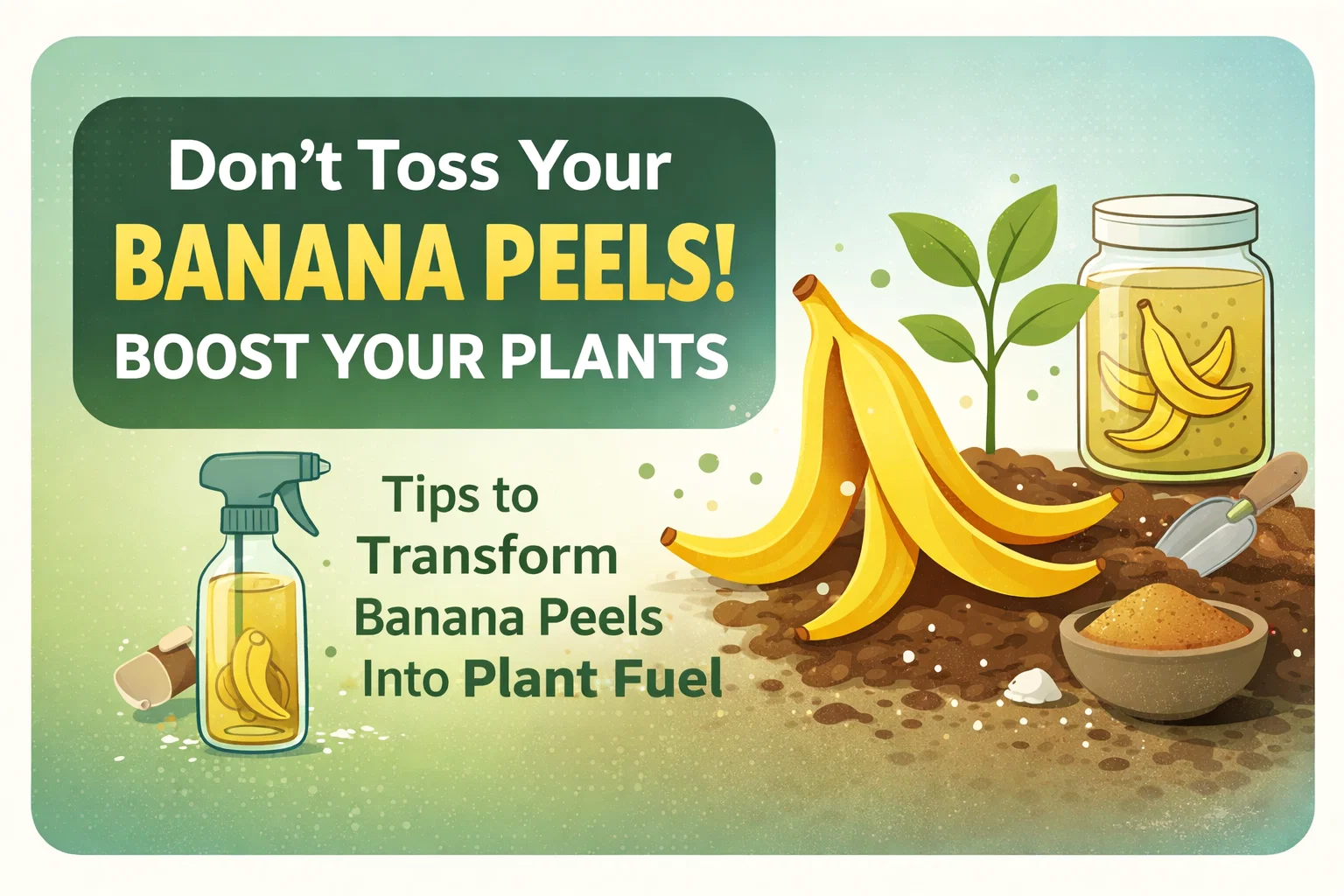
Perhaps the most popular way to use these scraps is by brewing a nutrient-rich tea. This liquid fertilizer is incredibly easy to make and is perfect for indoor houseplants that need a quick pick-me-up. To start, simply place a fresh banana peel in a glass jar and fill it with water. Let it steep for about 48 hours. During this time, the water will turn a dark, tea-like color as the nutrients leach out of the organic matter.
How to Apply Your Tea
Once your tea is ready, remove the peel (which you can then compost) and use the liquid to water your plants as usual. Because the nutrients are already dissolved in the water, the roots can absorb them almost instantly. This is particularly beneficial for flowering plants like African violets or peace lilies, which thrive on the extra boost of potassium during their blooming cycles. It is a gentle enough fertilizer that you can use it once every few weeks without the risk of nutrient burn that often comes with synthetic pellets.
Method 2: Direct Soil Enrichment
If you prefer a more hands-off approach, you can let nature do the work directly in your garden beds. Direct soil enrichment involves chopping your peels into small pieces and burying them just under the surface of the soil. As the pieces decompose, they release their minerals directly into the root zone. This method is fantastic because it also improves the soil structure by adding organic matter, which helps with aeration and moisture retention.
Best Practices for Burying Peels
When burying peels, make sure they are at least two to three inches deep. If you leave them on top of the soil, they might attract unwanted pests like fruit flies or even larger scavengers. By burying them, you ensure that the decomposition process happens where it is most beneficial. If you are preparing a new garden bed for the spring, you can trench in a large amount of chopped peels a few weeks before planting to create a super-charged environment for your new seedlings.
Method 3: Creating a Dry Fertilizer Powder
For those who want a more shelf-stable and versatile option, creating a dry fertilizer is the way to go. This involves drying out the peels until they are brittle and then grinding them into a fine powder. You can use a dehydrator, or simply place them on a baking sheet in a low-heat oven for several hours. Once they are completely dry and dark brown, a quick pulse in a blender or food processor will turn them into a powerful soil amendment.
Why Use Powder?
The beauty of the powder is that it can be stored in a jar for months and used whenever it is needed. You can mix a tablespoon of the powder into the potting mix when repotting a plant, or sprinkle it around the base of your rose bushes. Because the surface area is so much larger in powder form, the nutrients become available to the plant much faster than with a whole buried peel, yet it still provides a steady release over time.
Method 4: The Ultimate Fertilizer Spray
Sometimes your plants need more than just potassium. You can create a high-performance foliar spray or soil drench by combining banana peel extract with other natural household items. A common recipe involves mixing your banana water with crushed eggshells for calcium and a pinch of Epsom salts for a magnesium boost. This creates a balanced, all-natural liquid fertilizer that targets multiple plant needs at once.
When using this as a spray, be sure to apply it in the early morning or late evening to avoid leaf scorch from the sun. Foliar feeding allows the plant to take in nutrients through the stomata on the leaves, which can be a lifesaver for plants showing signs of mineral deficiency, such as yellowing between the leaf veins.
Method 5: Natural Insect Traps
Banana peels are not just for feeding your plants; they can also be used to protect them. If you are struggling with fruit flies or fungus gnats, you can create an organic trap using apple cider vinegar and banana peels. The sweet scent of the fermenting peel attracts the insects, while the vinegar ensures they cannot get back out. This is a much safer alternative to using chemical pesticides inside your home or near your vegetable garden.
Method 6: Homemade Banana Vinegar
For the advanced gardener, fermenting banana peels into vinegar can provide a specialized tool for acid-loving plants. Plants like blueberries, azaleas, and hydrangeas prefer a lower soil pH. By fermenting peels in a sugar-water solution over several weeks, you create a mild acid that can be diluted and used to adjust the acidity of your soil. This not only provides nutrients but also creates the ideal chemical environment for these specific species to thrive.
Addressing Common Concerns
One of the most frequent questions people ask is whether banana peels will attract pests. It is a valid concern, as the sugar content in fresh peels is a beacon for ants and flies. However, the solution is simple: always bury the peels or use them in liquid form. If you are using them in a compost bin, make sure to turn the pile regularly so the peels are buried deep within the decomposing mass. This heat will break down the sugars quickly, leaving only the beneficial minerals behind.
Another point to consider is the use of non-organic bananas. Conventional bananas are often treated with pesticides during the growing process. If you are using these peels in a vegetable garden where you intend to eat the produce, you may want to wash the peels thoroughly first or stick to organic bananas to ensure that no unwanted chemicals make their way into your soil. For ornamental flowers and houseplants, this is generally less of a concern.
Integrating Peels into Your Composting Routine
If you don’t want to make specialized teas or powders, the simplest way to utilize these scraps is to toss them into your compost bin. Banana peels are considered “greens” in the world of composting, meaning they provide the nitrogen and moisture necessary to fuel the bacteria that break down organic matter. They decompose relatively quickly compared to woody stems or thick leaves, helping your compost reach a usable state faster. By adding them to the mix, you ensure that your final compost product is exceptionally rich in potassium.
The Role of Microorganisms
It is important to remember that plants don’t actually “eat” the banana peel. Instead, they rely on billions of microscopic organisms in the soil to break the organic matter down into inorganic ions that the roots can absorb. When you add banana peels to your garden, you are also feeding these beneficial bacteria and fungi, creating a living, breathing soil ecosystem that will support your plants for years to come.
Conclusion: Small Steps for a Greener Garden
Transforming your banana peels from waste into a valuable resource is a perfect example of how small, sustainable choices can make a big impact. Whether you choose to brew a simple tea, grind them into a powder, or use them to create a natural pest trap, you are participating in a circular economy that rewards both you and your garden. The next time you finish a snack, take a moment to look at that peel not as trash, but as the secret ingredient to your most vibrant garden yet. Your plants will thank you with greener leaves, stronger stems, and more beautiful blooms. Happy gardening!