8 Native American Medicinal Plants Herbs Natural Remedies Holistic Healing Guide
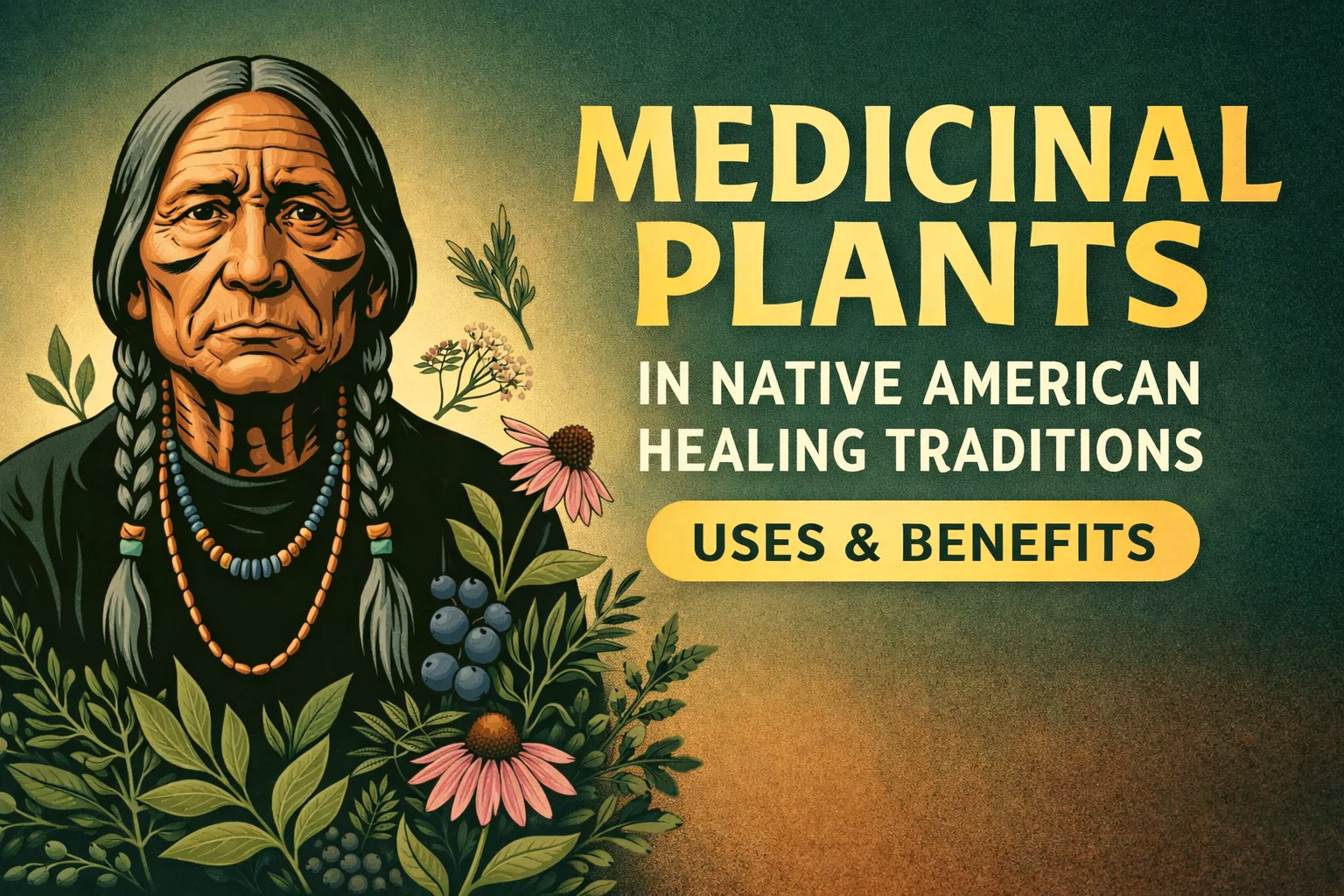
Exploring the vast landscape of natural healing often leads us back to the roots of human history. For centuries, Native American tribes have cultivated a profound relationship with the earth, viewing plants not just as resources, but as sacred teachers and powerful healers. The image of the wise elder surrounded by Sage, Willow Bark, and Cedar is more than just a visual; it is a gateway into a holistic philosophy where physical health and spiritual well-being are inextricably linked. By understanding these traditional uses, we can integrate ancient wisdom into our modern lives to achieve a more balanced state of health.
The Spiritual Foundation of Indigenous Medicine
In Native American healing traditions, medicine is rarely just about treating a physical symptom. Instead, it is a comprehensive system that addresses the mind, body, and spirit as one. When a healer uses a plant like Sage, they are performing a ritual of purification. Sage is widely known for its ability to clear negative energy and cleanse a space, a practice often referred to as smudging. This spiritual cleansing is believed to create a high-vibration environment that allows physical healing to take place more effectively.
The Role of Sacred Smoke
Beyond Sage, plants like Sweetgrass and Cedar play vital roles in the spiritual atmosphere. While Sage is used to drive out the negative, Sweetgrass is often burned to attract positive spirits and benevolent energy. It represents the hair of Mother Earth and reminds us of the kindness and yield of the land. Cedar, on the other hand, acts as a bridge. It is used for purifying homes and protecting the people within them, often associated with the strength and resilience of the evergreen tree itself.
Natural Pain Relief from the Forest Floor
One of the most remarkable contributions of Native American botanical knowledge is the identification of natural analgesics. Long before modern laboratories synthesized aspirin, indigenous peoples were utilizing Willow Bark to manage pain and reduce inflammation. This practice is a perfect example of how traditional ecological knowledge predates and validates modern science.
Willow Bark contains salicin, a compound that functions similarly to salicylic acid. When consumed as a tea or a poultice, it provides relief for headaches, muscle aches, and joint discomfort. Unlike some modern alternatives, Willow Bark offers a slower, more sustained release of pain-relieving properties, making it a staple for those suffering from chronic inflammatory conditions.
Boosting the Immune System with Traditional Herbs
In an era where we are constantly looking for ways to strengthen our natural defenses, Echinacea stands out as a primary ally. Native to the North American prairies, this purple coneflower was used extensively by Great Plains tribes. Its primary function is to stimulate the immune system, helping the body fight off infections and reducing the duration of sore throats and respiratory issues.
Combatting Seasonal Ailments
When the seasons change and the air grows cold, the combination of Sage and Echinacea becomes a powerhouse. While Sage helps address the symptoms of colds and flu by clearing congestion and acting as an astringent for the throat, Echinacea works behind the scenes to bolster the white blood cell count. This dual approach ensures that the body is not just suppressing symptoms, but actively overcoming the underlying illness.
Topical Healers and First Aid
The wilderness can be a harsh environment, and traditional healers had to be experts in wound care. Yarrow is frequently cited as one of the most important plants for first aid. Often called the nosebleed plant, Yarrow is a potent styptic, meaning it can quickly stop bleeding and encourage blood clotting in open wounds. This was essential for hunters and travelers who might sustain injuries far from a permanent camp.
Furthermore, Yarrow possesses antimicrobial properties that help prevent infection in insect bites and minor cuts. By applying a poultice of chewed or crushed Yarrow leaves directly to the skin, ancient healers could ensure that a minor injury did not turn into a life-threatening complication. Its versatility makes it a must-know plant for anyone interested in herbalism or outdoor survival.
Digestive Health and Respiratory Support
The Juniper plant is a fascinating example of the multi-functional nature of indigenous botany. While some parts of the plant are reserved for spiritual use only, the berries and needles are frequently employed for physical ailments. For those struggling with digestive issues, Juniper acts as a bitter tonic that stimulates the production of digestive enzymes, helping to soothe upset stomachs and improve nutrient absorption.
Additionally, Juniper is a powerful tool for respiratory problems. When used in a steam inhalation, the volatile oils in Juniper help to break up mucus and clear the lungs. It is also noted for its benefits in treating joint pain and arthritis, often applied topically as an infused oil to bring warmth and increased circulation to stiff areas of the body.
Addressing Chronic Inflammation and Joint Health
As we age, inflammation often becomes a primary concern for our quality of life. Devil’s Claw, though often associated with various global traditions, has a significant place in the herbal toolkit for treating arthritis and general congestion. Its name comes from the unique hook-like shape of its fruit, but its true power lies in the roots.
- Arthritis Relief: The active compounds in Devil’s Claw help to reduce the swelling and stiffness associated with degenerative joint diseases.
- Cough and Congestion: It acts as an expectorant, helping the body clear out excess phlegm during bouts of bronchitis or heavy colds.
- Systemic Support: Regular use in controlled amounts can help lower the overall inflammatory load on the body, promoting long-term mobility.
The Importance of Ethical Harvesting and Respect
Integrating these plants into a modern lifestyle requires more than just buying a supplement at the store. To truly honor Native American healing traditions, one must practice Honorable Harvest. This means never taking the first plant you see, asking permission from the land before harvesting, and always leaving enough for the plant to continue its lifecycle and provide for the local wildlife.
This ethical approach ensures that these medicinal species remain available for future generations. It also shifts our perspective from one of consumption to one of stewardship. When we approach nature with gratitude and respect, the medicine we derive from it becomes more potent and meaningful.
Integrating Ancient Wisdom into Modern Life
How can you begin using these plants today? It starts with education and observation. You might find Sage or Yarrow growing in your own backyard or local park. Starting a small medicinal herb garden is a wonderful way to connect with the earth. By growing your own Echinacea or Willow, you gain a first-hand understanding of the plant’s life cycle and the seasons it thrives in.
Creating a Home Healing Kit
Consider putting together a natural first aid kit based on these traditions. You could include dried Sage for clearing the air after a stressful day, a tin of Yarrow salve for minor scrapes, and Echinacea tea for when you feel run down. This transition away from purely synthetic solutions toward botanical allies can lead to a more intuitive and responsive relationship with your own health.
Consultation and Safety
While the power of plants is immense, it is crucial to remember the final piece of advice often found in traditional and modern guides alike: always consult a doctor. Medicinal plants contain powerful chemical compounds that can interact with prescription medications or existing health conditions. A respectful approach to healing involves using the best of both worlds, the ancient knowledge of the earth and the diagnostic precision of modern medicine.
Conclusion
The medicinal plants of Native American tradition offer us a roadmap to a more holistic way of living. By looking at Sage, Cedar, Willow Bark, and their counterparts, we see a world where health is not just the absence of disease, but a state of harmony with the environment and ourselves. These plants have supported humanity for millennia, providing relief for the body and peace for the soul. As we move forward into an increasingly fast-paced world, perhaps the best way to progress is to look back at the wisdom that has been right under our feet all along. Whether you are seeking spiritual clarity or physical vitality, the earth remains our greatest pharmacy and our most enduring teacher.
Would you like me to generate a meta description or a list of internal linking suggestions for this post?