8 Powerful Brain-Boosting Foods to Fight Fog and Support Memory for Women
If you have ever walked into a room and completely forgotten why you were there, or found yourself staring at a computer screen feeling like your thoughts were wading through thick molasses, you are not alone. For a long time, we have been told that brain fog and mild memory lapses are just a natural part of getting older. We accept it as an inevitable rite of passage, especially for women navigating the complexities of hormonal shifts and busy lifestyles. However, the truth is far more empowering. Brain fog is not necessarily a sign of aging; it is often inflammation in disguise. Your brain is a high performance organ that requires specific fuel to dampen that inflammation and keep your cognitive gears spinning smoothly.
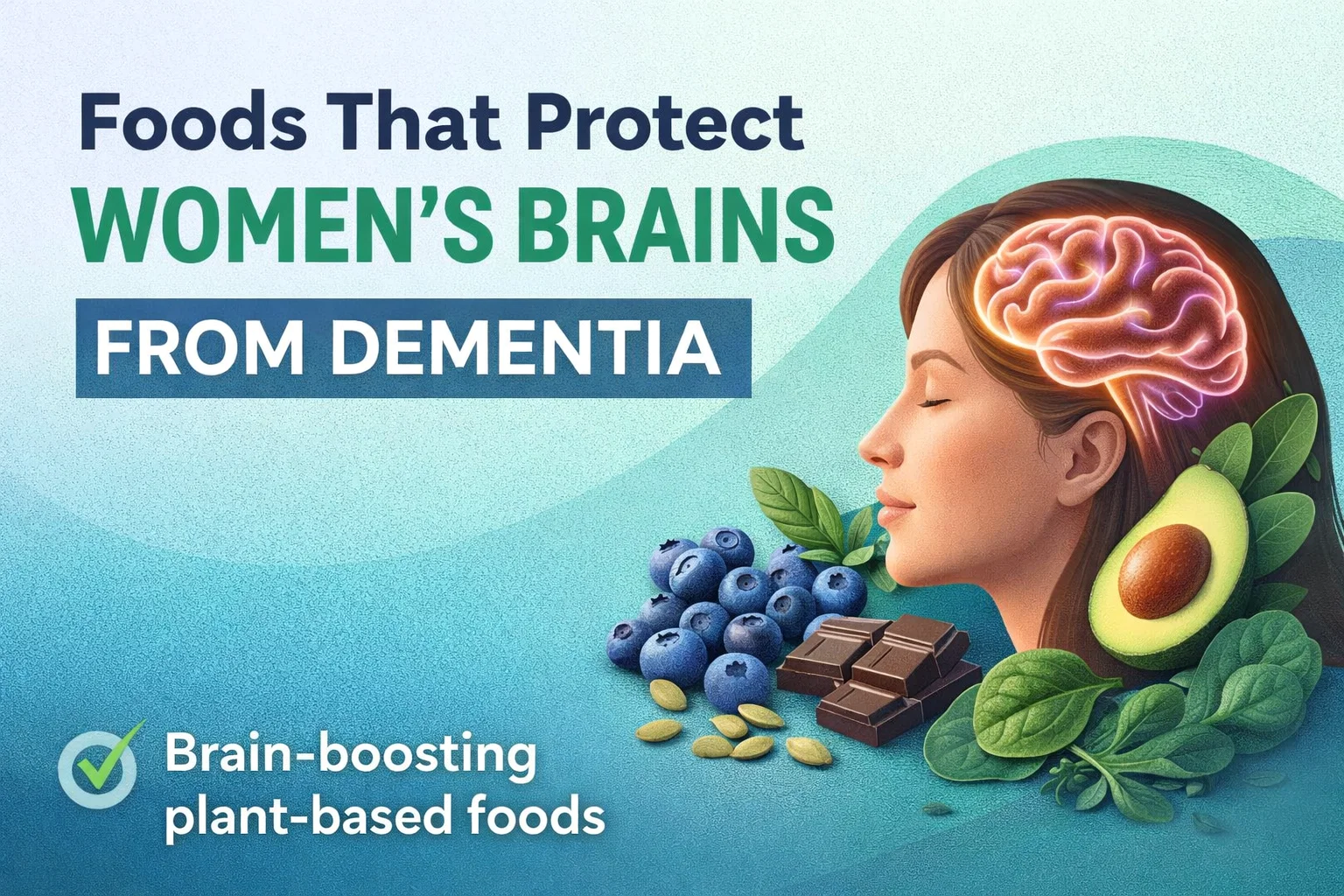
The good news is that the pharmacy for your mind is located right in your kitchen. By choosing specific plant based foods, you can build a biological shield against cognitive decline and dementia. Nature has provided an incredible array of compounds, from anthocyanins to omega 3 fatty acids, that work specifically to protect neurons and enhance blood flow. Understanding how these foods interact with your biology allows you to take control of your mental clarity today while investing in your neurological health for the decades to come. Let us dive deep into the ultimate menu for a resilient, sharp, and protected female brain.
The Inflammation Connection: Why Your Brain Feels Foggy
To protect the brain, we first must understand the enemy. Chronic inflammation is often the silent culprit behind cognitive sluggishness. When the body is under stress, whether from poor diet, lack of sleep, or environmental toxins, it produces inflammatory cytokines. These molecules can cross the blood brain barrier and interfere with how your neurons communicate. Over time, this constant low level inflammation can damage brain cells, leading to the more serious concerns of dementia later in life.
Women, in particular, may be more sensitive to these shifts due to the protective role that estrogen plays in the brain. As hormonal levels fluctuate, the brain requires even more nutritional support to maintain its equilibrium. This is where the power of phytonutrients comes into play. By consuming anti inflammatory plants, you are essentially putting out the fire in your nervous system, allowing for better focus, faster recall, and a brighter mood.
Berries and Dark Fruits: The Neural Protectors
Blueberries are often called brain berries for a very good reason. These tiny fruits are packed with anthocyanins, a group of plant compounds with powerful anti inflammatory and antioxidant effects. Antioxidants act like a cleanup crew for your brain, neutralizing free radicals that would otherwise cause oxidative stress on your neurons. Studies have shown that regular consumption of blueberries can improve signaling between brain cells and even delay short term memory loss.
It is not just about the immediate boost in clarity, though. The long term benefits are even more impressive. By protecting the structural integrity of your neurons, berries help maintain the “plasticity” of your brain. This means your brain stays better at learning new things and adapting to change as you age. Whether you toss them into your morning oatmeal or enjoy them as a frozen snack, these fruits are a non negotiable for anyone serious about cognitive longevity.
The Power of Healthy Fats: Walnuts and Avocados
Walnuts and Omega 3 Fatty Acids
There is a beautiful irony in the fact that a walnut looks exactly like a human brain. In the world of plant based nutrition, walnuts are the undisputed kings of cognitive health. They are significantly higher in omega 3 fatty acids, specifically alpha linolenic acid, than almost any other nut. These fats are essential because they make up the very membranes of your brain cells. When you have enough omega 3s in your system, your cell membranes are fluid and flexible, which allows neurotransmitters like serotonin and dopamine to travel more effectively.
Avocados for Brain Fat Support
The human brain is nearly 60 percent fat, so it makes sense that eating healthy fats would be beneficial. Avocados provide monounsaturated fats which contribute to healthy blood flow. High blood pressure is a known risk factor for cognitive decline, and the healthy fats in avocados help to keep your arteries flexible and your circulation strong. A well oxygenated brain is a sharp brain. Furthermore, avocados contain Vitamin K and folate, which help prevent blood clots in the brain and protect against stroke.
Dark Chocolate and Green Tea: The Blood Flow Boosters
If you were looking for a reason to keep dark chocolate in your pantry, here it is. Dark chocolate is rich in cocoa flavanols. These compounds have been shown to stimulate the growth of blood vessels and neurons in parts of the brain involved in memory and learning. They also improve blood flow to the brain, which can provide an immediate spike in alertness and cognitive performance. To get the benefits without the sugar crash, aim for chocolate that is at least 70 percent cacao.
Green tea offers a different but equally vital kind of support. It contains a unique amino acid called L theanine, which can cross the blood brain barrier. L theanine increases the activity of the inhibitory neurotransmitter GABA, which has anti anxiety effects. It also increases dopamine and the production of alpha waves in the brain. When combined with the modest amount of caffeine in green tea, you get a state of “calm alertness” that is perfect for deep work. The polyphenols in green tea also provide a layer of anti aging protection that keeps the brain youthful.
Zinc and Folate: The Clarity Chemicals
Pumpkin Seeds for Zinc and Magnesium
Often overlooked, pumpkin seeds are a treasure trove of minerals. They are particularly rich in zinc, which is crucial for nerve signaling. A deficiency in zinc has been linked to many neurological conditions, including depression and Alzheimer’s disease. They also contain magnesium, which is the ultimate “anti stress” mineral. Magnesium helps the brain relax and improves sleep quality, which is when the brain does its most important “cleaning” and memory consolidation.
Spinach and Leafy Greens for Memory
Leafy greens like spinach and kale are loaded with folate, a B vitamin that is essential for brain function. Folate helps break down homocysteine, an amino acid that, in high levels, can be toxic to neurons and is linked to an increased risk of dementia. By keeping your folate levels high, you are ensuring that your brain has the chemical precursors it needs to build new cells and repair old ones. Research suggests that people who eat at least one serving of leafy greens a day have the cognitive age of someone 11 years younger than those who do not.
Lentils and Complex Carbs: Sustainable Brain Fuel
Your brain is a glucose hog; it uses about 20 percent of the body’s total energy. However, the type of fuel you give it matters immensely. Simple sugars lead to spikes and crashes, which contribute to that dreaded afternoon brain fog. Lentils and other legumes provide a steady, slow release of glucose. This keeps your energy levels stable and your focus sharp for hours at a time.
Beyond just energy, lentils are packed with iron and fiber. Iron is necessary for transporting oxygen to the brain, while fiber supports a healthy gut microbiome. There is a profound connection between the gut and the brain, often called the gut brain axis. A healthy, diverse gut fueled by fiber produces many of the neurotransmitters your brain relies on to stay happy and focused. When your gut is calm and well fed, your brain follows suit.
Creating a Daily Routine for Cognitive Resilience
Knowing which foods are beneficial is the first step, but the real magic happens when you integrate them into a consistent lifestyle. You do not need a complete pantry overhaul to see results. Start by adding one brain boosting food to every meal. Perhaps it is a handful of walnuts with your breakfast, a spinach salad for lunch, or a square of dark chocolate after dinner. These small, cumulative choices create a biological environment where your brain can thrive.
It is also important to remember that diet does not exist in a vacuum. Hydration, movement, and stress management are the supporting pillars of the nutritional work you are doing. Drink plenty of water to keep your brain volume up, and try to get moving every day to further boost that essential blood flow. When you combine nutrient dense plants with a mindful lifestyle, you are not just preventing disease; you are optimizing your human experience.
The Future of Your Mind is on Your Plate
The journey toward lifelong cognitive health is one of the most rewarding paths you can take. While we cannot control every factor of our genetics or our environment, we have immense power over the fuel we provide our bodies. By viewing brain fog as a signal for more support rather than an inevitable symptom of time, you shift from a passive observer of your health to an active participant.
Invest in your memory, your clarity, and your vibrant future by embracing these botanical protectors. Every blueberry, every leaf of spinach, and every walnut is a message of care to your nervous system. As you nourish your brain, you will find that the fog begins to lift, revealing a mind that is sharp, resilient, and ready for whatever life brings. Your brain has protected you for your entire life; now it is your turn to protect it back.