9 Best Foods to Eat Before Bed for Better Sleep Natural Sleep Aids Nighttime Snacks
Waking up feeling refreshed and energized starts long before your alarm goes off. In fact, it often begins with what you put on your plate just a few hours before you crawl under the covers. While many of us have been told that eating late is a recipe for weight gain or indigestion, the truth is more nuanced. Choosing the right nutrients can actually signal your nervous system to relax, stabilize your blood sugar, and provide the raw materials your brain needs to produce sleep-inducing hormones like melatonin and serotonin.
If you find yourself tossing and turning or staring at the ceiling, your evening snack might be the missing piece of your wellness puzzle. Instead of reaching for sugary cereals or heavy, processed snacks that lead to midnight energy spikes, focusing on whole foods rich in magnesium, potassium, and tryptophan can transform your sleep quality. Let’s dive deep into the best science-backed foods to eat before bed and how they help you achieve the deep, restorative rest you deserve.
The Science of Sleep and Nutrition
Before we look at the specific foods, it is essential to understand why certain nutrients have such a profound impact on our sleep cycles. Your body relies on a delicate balance of hormones and neurotransmitters to transition from an active state to a restful one. Magnesium, often called the relaxation mineral, helps quiet the mind and body by regulating neurotransmitters that send signals through the nervous system. It also helps maintain healthy levels of GABA, a neurotransmitter that promotes sleep.
Tryptophan is another heavy hitter. This amino acid is a precursor to serotonin, which the body then converts into melatonin, the hormone responsible for regulating your internal clock. When you pair tryptophan with complex carbohydrates, it becomes easier for the amino acid to cross the blood-brain barrier, making your evening snack even more effective. By choosing foods that naturally contain these elements, you are essentially giving your body a natural, chemical-free nudge toward dreamland.
1. Almonds: The Magnesium Powerhouse
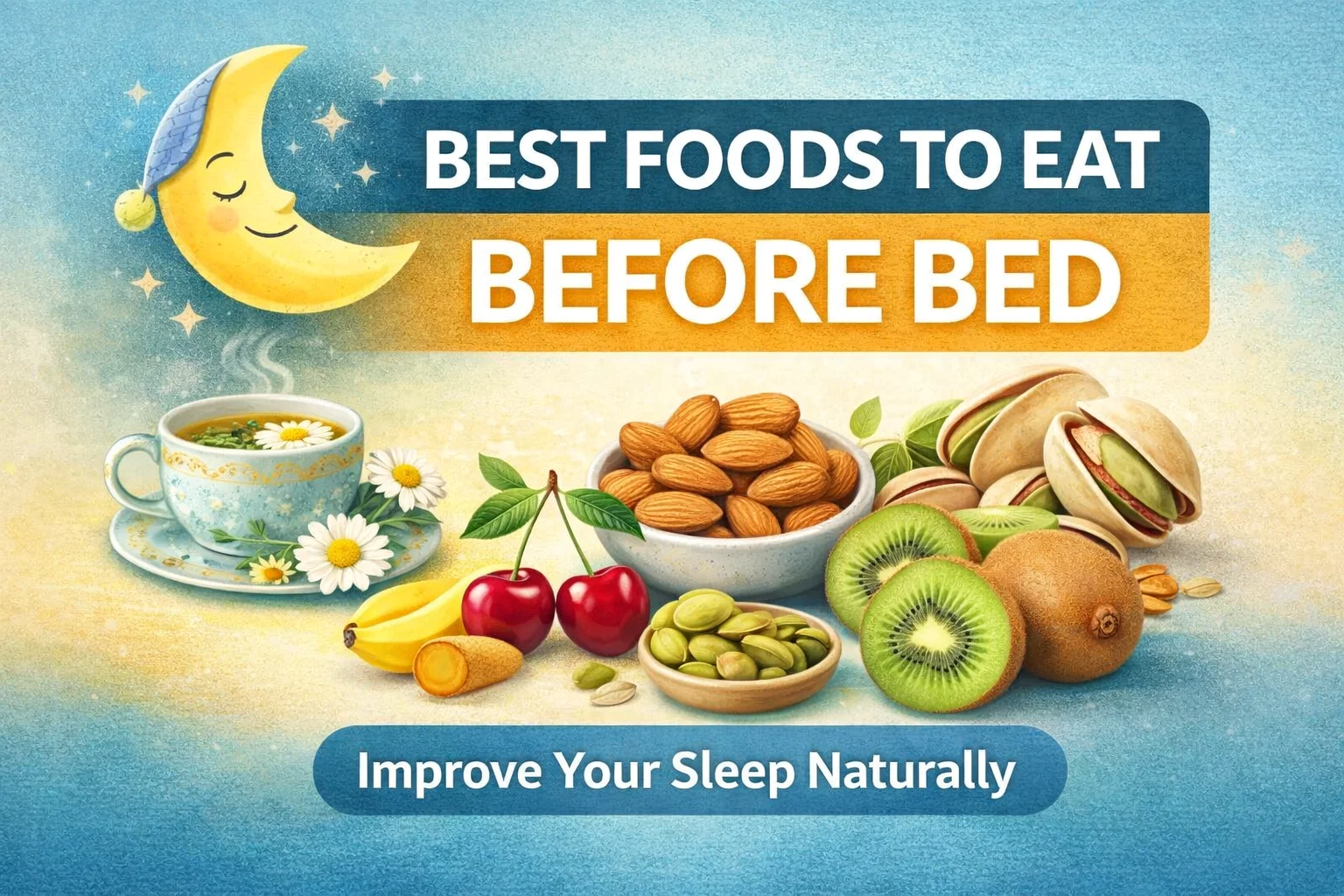
Almonds are one of the most convenient and effective snacks for better sleep. They are an excellent source of healthy monounsaturated fats and fiber, but their real secret weapon is magnesium. Just a handful of these nuts provides a significant portion of your daily requirement. Magnesium is known to reduce inflammation and lower levels of the stress hormone cortisol, which is often what keeps us awake at night.
Eating almonds regularly has been linked to better sleep quality because they help muscles relax. If you struggle with physical tension after a long day at work, a small serving of almonds can help physically “unplug” your body. Try to stick to raw or dry-roasted versions to avoid excess sodium or inflammatory seed oils that might disrupt your digestion before bed.
2. Warm Oatmeal: More Than Just Breakfast
While most people associate oatmeal with the start of the day, it is actually a phenomenal nighttime meal. Oats are high in complex carbohydrates and fiber, which leads to a slow, steady release of energy rather than a sharp spike in blood sugar. This stability is crucial for staying asleep throughout the night.
Furthermore, oats are a natural source of melatonin. When consumed warm, they provide a comforting, sensory experience that can be psychologically soothing. The complex carbs in oatmeal also promote the release of insulin, which helps tryptophan enter the brain more easily. To supercharge your bedtime bowl, try topping it with a few sliced cherries or a sprinkle of cinnamon.
3. Pistachios: A Natural Melatonin Source
Pistachios are among the richest melatonin-containing foods available in the plant kingdom. Melatonin is the primary hormone that tells your brain it is time to sleep, and getting it through whole food sources is often more effective and gentle than taking synthetic supplements. These green gems are also packed with protein, vitamin B6, and magnesium.
The act of shelling pistachios can also serve as a mindful, meditative activity that helps you slow down before bed. Just be sure to watch your portion sizes, as they are calorie-dense. A small serving of about one ounce is plenty to reap the sleep-inducing benefits without feeling overly full.
4. Turmeric Almond Latte: The Golden Sleep Elixir
Also known as Golden Milk, a turmeric latte made with almond milk is a powerhouse of anti-inflammatory benefits. Turmeric contains curcumin, which helps reduce systemic inflammation and can improve overall mood and relaxation. When you mix it with warm almond milk, you get the added benefits of magnesium and a small amount of protein.
The warmth of the drink increases your internal body temperature slightly; as your body cools down afterward, it mimics the natural temperature drop that occurs right before you fall asleep. This thermal shift is a powerful signal to your brain that it is time to shut down for the night. Add a pinch of black pepper to increase curcumin absorption and a tiny bit of honey for a touch of sweetness.
5. Cherries: Nature’s Sleep Aid
Cherries, especially tart cherries, are one of the few natural food sources of melatonin. Several studies have shown that consuming cherries or tart cherry juice can increase the duration and quality of sleep for individuals suffering from insomnia. They help regulate the sleep-wake cycle and can even reduce the time it takes to fall asleep.
If you find fresh cherries hard to find out of season, frozen cherries or a small glass of unsweetened tart cherry juice work just as well. They provide a sweet, satisfying end to the day without the heavy hit of refined sugar found in traditional desserts.
6. Kiwi: The Serotonin Booster
Kiwi might be the most underrated sleep food on this list. Research suggests that eating two kiwis an hour before bed can significantly improve sleep onset and efficiency. This is largely attributed to their high serotonin content. Serotonin is a brain chemical that helps regulate your sleep cycle and is a precursor to melatonin.
In addition to serotonin, kiwis are incredibly high in antioxidants like vitamin C and carotenoids. Reducing oxidative stress in the body is a key part of long-term health and can prevent the middle-of-the-night wake-ups that occur when the body is in a state of low-grade inflammation.
7. Banana with Almond Butter: The Ultimate Duo
If you are truly hungry before bed, a banana paired with a tablespoon of almond butter is the gold standard of nighttime snacks. Bananas are famous for their potassium and magnesium content, both of which act as natural muscle relaxants. They also contain tryptophan, which we know is essential for serotonin production.
Adding almond butter provides healthy fats and protein, which slows down the digestion of the natural sugars in the banana. This prevents any blood sugar crashes in the middle of the night that might cause you to wake up with a racing heart. It is a filling, delicious, and highly functional snack that tastes like a treat.
8. Pumpkin Seeds: Small but Mighty
Don’t let their size fool you; pumpkin seeds are nutritional powerhouses. They are one of the best plant-based sources of tryptophan and are incredibly high in zinc and magnesium. Zinc helps the brain convert tryptophan into serotonin, making these seeds a perfect “facilitator” food for sleep.
A small handful of pumpkin seeds provides a satisfying crunch and can be easily added to a small bowl of yogurt or eaten on their own. They are particularly helpful for those who experience anxiety-related restlessness, as the high magnesium content helps settle the nervous system.
9. Herbal Tea: The Ritual of Relaxation
While not technically a food, no bedtime routine is complete without a cup of caffeine-free herbal tea. Chamomile is the most famous choice, containing an antioxidant called apigenin which binds to certain receptors in your brain that may promote sleepiness and reduce insomnia.
Other great options include valerian root, passionflower, and lemon balm. Sipping a warm tea creates a powerful psychological “anchor” for your evening. It signals to your brain that the day’s work is done and it is time to transition into a state of peace. It is the perfect calorie-free way to hydrate and relax simultaneously.
Creating Your Perfect Evening Routine
While these foods are powerful, they work best when integrated into a consistent evening routine. Aim to eat your last heavy meal at least two to three hours before bed to allow for proper digestion. If you do feel hungry later, choose one of the light snacks mentioned above. Pairing your snack with a “digital detox” by putting away phones and laptops will further enhance the melatonin-boosting effects of your food.
Foods to Avoid Before Bed
To give these sleep-promoting foods a fair chance, it is just as important to know what to avoid. High-fat, fried foods can cause acid reflux and discomfort that keeps you awake. Caffeine is an obvious culprit, but remember that it can hide in chocolate and certain decaf coffees. Alcohol is another common trap; while it might help you fall asleep faster, it significantly disrupts your REM cycle, leading to a groggy feeling the next morning. Finally, spicy foods can raise your body temperature and cause heartburn, making it difficult for your body to reach the cool state required for deep sleep.
Conclusion: Eat Your Way to Better Rest
Improving your sleep does not always require expensive gadgets or medications. Often, the most sustainable and effective solutions are found right in your kitchen. By incorporating foods like almonds, cherries, kiwi, and warm oats into your evening, you are working with your body’s natural chemistry rather than against it. These nutrient-dense options provide the essential vitamins and minerals needed to quiet the mind, relax the muscles, and balance your hormones.
Remember that everyone’s body is unique. You might find that a turmeric latte works wonders for you, while someone else prefers a simple bowl of pumpkin seeds. Pay attention to how you feel the next morning after trying different snacks. With a little bit of experimentation and a focus on holistic, natural ingredients, you can turn your nighttime cravings into a powerful tool for health and vitality. Sweet dreams and happy snacking!