9 Best Foods to Naturally Boost Dopamine Levels
The Science of Eating for Motivation and Focus
Have you ever woken up feeling completely unmotivated, struggling to find the energy to tackle your daily tasks? That sluggish feeling might not just be a lack of sleep. Often, it comes down to the chemical messengers in your brain, specifically dopamine. Known as the reward chemical, dopamine is responsible for how we feel pleasure, motivation, and focus. When your levels are low, everything feels like an uphill battle. But before you reach for sugary energy drinks or artificial supplements, you might want to look inside your refrigerator. Nature provides an incredible array of delicious ingredients packed with the exact nutrients your brain needs to synthesize this vital neurotransmitter.
Building a diet around brain-boosting ingredients is one of the most sustainable ways to elevate your mood and cognitive function. By supplying your body with specific amino acids, vitamins, and minerals, you are giving it the raw materials required to keep your dopamine production running smoothly. Let us explore nine incredible, natural foods that will help you increase dopamine and get your spark back.
Understanding How Food Becomes Fuel for the Mind
To understand why certain ingredients work so well, we need to look at how the brain manufactures motivation. Dopamine does not just appear out of nowhere. Your body creates it through a complex chemical process that relies heavily on an amino acid called tyrosine. When you consume foods rich in tyrosine, or the vitamins and minerals that assist in its conversion, you are directly supporting your brain chemistry.
Furthermore, reducing oxidative stress and inflammation in the body plays a massive role in protecting the dopamine-producing neurons. Antioxidants, healthy blood flow, and a happy gut microbiome all contribute to a thriving nervous system. The foods we are about to discuss tackle mood enhancement from all these critical angles.
9 Powerful Foods to Naturally Boost Dopamine
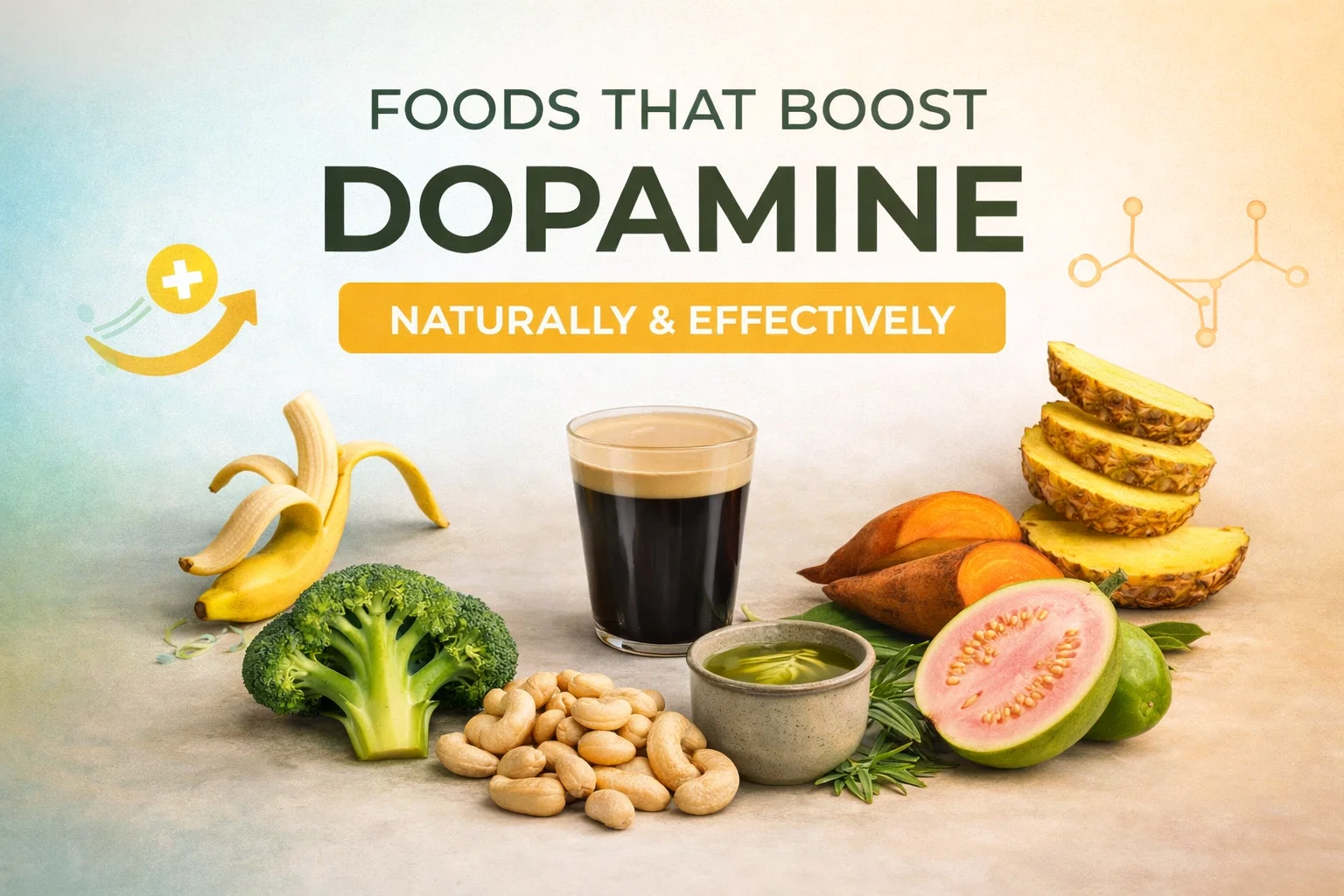
1. Bananas: The Tyrosine Powerhouse
Bananas are often praised for their potassium content, but they are also a fantastic source of tyrosine. As mentioned earlier, tyrosine is the direct building block of dopamine. Eating a banana provides your body with a readily available supply of this crucial amino acid. Plus, bananas offer a quick source of natural carbohydrates, which give your brain the immediate energy it needs to function at its best. Adding a banana to your morning smoothie or oatmeal is a simple and sweet way to start your day with a motivated mindset.
2. Coffee: The Classic Cognitive Enhancer
There is a very good reason why millions of people rely on a morning cup of coffee to get going. The caffeine found in coffee does more than just wake you up. It actually prompts your brain to release dopamine into the prefrontal cortex, which is the area responsible for focus and decision-making. Furthermore, caffeine increases the number of dopamine receptors in your brain, making your body more sensitive to the dopamine that is already there. Just be sure to enjoy it in moderation to avoid the dreaded afternoon crash.
3. Pineapple: A Sweet Source of Bromelain
Pineapple brings a tropical twist to brain health. This juicy fruit is famous for containing bromelain, a powerful enzyme complex. While bromelain is primarily known for its digestive and anti-inflammatory benefits, reducing systemic inflammation is absolutely vital for brain health. Chronic inflammation can severely impair the production of neurotransmitters. By keeping inflammation at bay with fresh pineapple, you create an optimal environment in your body for healthy, stable dopamine levels.
4. Green Tea: Calm Focus with L-Theanine
If coffee makes you too jittery, green tea is the perfect alternative. Green tea contains a unique amino acid called L-theanine. This remarkable compound crosses the blood-brain barrier and works synergistically with caffeine. L-theanine promotes a state of relaxed alertness by increasing the production of dopamine and serotonin while simultaneously lowering stress hormones. A warm cup of matcha or green tea provides a smooth, sustained focus without the sudden spikes and drops associated with other caffeinated beverages.
5. Guava: The Vitamin C Champion
When you think of Vitamin C, oranges usually come to mind. However, guava is an absolute powerhouse when it comes to this essential nutrient. Vitamin C is a potent antioxidant that protects your brain cells from damage. More importantly, it acts as a crucial cofactor in the conversion of dopamine into norepinephrine, another important neurotransmitter. Maintaining high Vitamin C levels with tropical fruits like guava ensures your brain has the chemical tools it needs to balance your mood and handle stress effectively.
6. Sweet Potatoes: Beta-Carotene for Brain Protection
Sweet potatoes are not just a delicious side dish. They are incredibly rich in beta-carotene, the compound that gives them their vibrant orange color. In the body, beta-carotene acts as a powerful antioxidant, defending your delicate neural pathways from oxidative stress. Additionally, sweet potatoes are a complex carbohydrate. They provide a slow, steady release of glucose into the bloodstream, preventing the blood sugar crashes that can instantly kill your motivation and deplete your energy reserves.
7. Beets: Boosting Blood Flow with Nitrates
Beets are an earthy, vibrant root vegetable that can work wonders for your cognitive performance. They are packed with natural dietary nitrates. When you consume beets, your body converts these nitrates into nitric oxide, a compound that relaxes and widens your blood vessels. This vasodilation significantly increases blood flow and oxygen delivery straight to your brain. Better circulation means your brain cells receive more nutrients, allowing them to produce and utilize dopamine much more efficiently.
8. Cashews: The Copper Connection
Nuts are widely recognized as brain food, but cashews hold a special place on the list due to their high copper content. Copper is a trace mineral that many people overlook in their daily diets. It is absolutely essential for the proper function of enzymes involved in energy production and neurotransmitter synthesis. Snacking on a handful of raw cashews provides healthy fats for brain structure and the necessary copper to keep your dopamine pathways firing on all cylinders.
9. Broccoli: Sulforaphane for Neuroprotection
Your mother was right when she told you to eat your broccoli. This cruciferous vegetable is a top-tier brain food because it contains a sulfur-rich compound called sulforaphane. Sulforaphane has been heavily researched for its profound neuroprotective properties. It helps activate antioxidant genes in the body, clearing out toxins and reducing neuroinflammation. By protecting the cells that produce dopamine, broccoli helps ensure your motivation and mood remain stable over the long term.
Understanding the Gut-Brain Connection
When discussing brain health, we cannot ignore the digestive system. A significant portion of our neurotransmitters, including dopamine, is either produced or heavily influenced by the bacteria living in our gut. The foods you eat directly feed this microbiome. By consuming whole, nutrient-dense foods like the ones on our list, you encourage the growth of beneficial bacteria.
These helpful microbes produce short-chain fatty acids that communicate with the brain via the vagus nerve. When your gut is inflamed from highly processed foods and excessive sugar, that inflammation travels directly to your brain, hindering dopamine production and leaving you feeling lethargic. Adding fiber-rich foods such as sweet potatoes and broccoli ensures your gut bacteria have the fuel they need to thrive. A happy gut creates a happy mind. As you begin to introduce these dopamine-boosting ingredients into your routine, pay attention to your digestion. You will likely find that as your stomach settles, your mental clarity and drive naturally begin to elevate.
Frequently Asked Questions About Diet and Dopamine
How quickly can I feel the effects of a dopamine-boosting diet?
While some items like coffee and green tea offer an immediate, noticeable lift in energy and focus, building long-term dopamine reserves takes time. Consistently eating foods rich in tyrosine, vitamins, and minerals will gradually improve your baseline mood over a few weeks. Consistency is the secret to lasting neurological health. Do not expect an overnight miracle from eating a single serving of broccoli, but rather trust the compounding effect of daily healthy choices.
Can I just take tyrosine supplements instead?
Supplements can be beneficial in certain situations, but getting your nutrients from whole foods is always the superior approach. Foods like bananas and cashews provide tyrosine along with a complex matrix of cofactors, fiber, and other antioxidants that aid in absorption and utilization. Isolated supplements lack this unique biological synergy. Always try a food-first approach to correct nutritional imbalances before resorting to pills or powders.
Are there foods that actually deplete dopamine?
Absolutely. Just as certain foods build up your neurotransmitters, others can severely deplete them. Diets high in refined sugars, artificial sweeteners, and heavily processed trans fats create massive spikes and subsequent crashes in your blood sugar and brain chemistry. Over time, consuming highly palatable, hyper-processed junk food can actually numb your dopamine receptors. This forces your body to require more and more junk food to feel the same level of pleasure. Sticking to whole, natural foods helps reset this sensitivity and restores natural balance.
Bringing It All Together For A Happier Brain
Incorporating these nine foods into your weekly grocery haul is a proactive step toward better mental health and sustained motivation. You do not have to eat all of them every single day to see results. Try blending a banana and some pineapple into a morning smoothie, swapping one of your coffees for a soothing green tea, or roasting sweet potatoes and broccoli for dinner. Small, consistent dietary changes accumulate over time, leading to profound improvements in how you feel and perform.
Remember that diet is just one piece of the wellness puzzle. To maximize the dopamine-boosting effects of these wonderful foods, pair your nutrition with a holistic healthy lifestyle. Getting adequate, restful sleep, exposing your eyes to natural morning sunlight, and engaging in regular physical exercise all work hand in hand with your diet to supercharge your brain chemistry.
Taking control of your mood and energy levels starts at the end of your fork. Nature has provided us with a delicious pharmacy of ingredients perfectly designed to help us thrive. The next time you feel a slump in motivation, skip the artificial quick fixes and treat your body to the real, nourishing foods it craves. Your brain, and your dopamine levels, will certainly thank you.