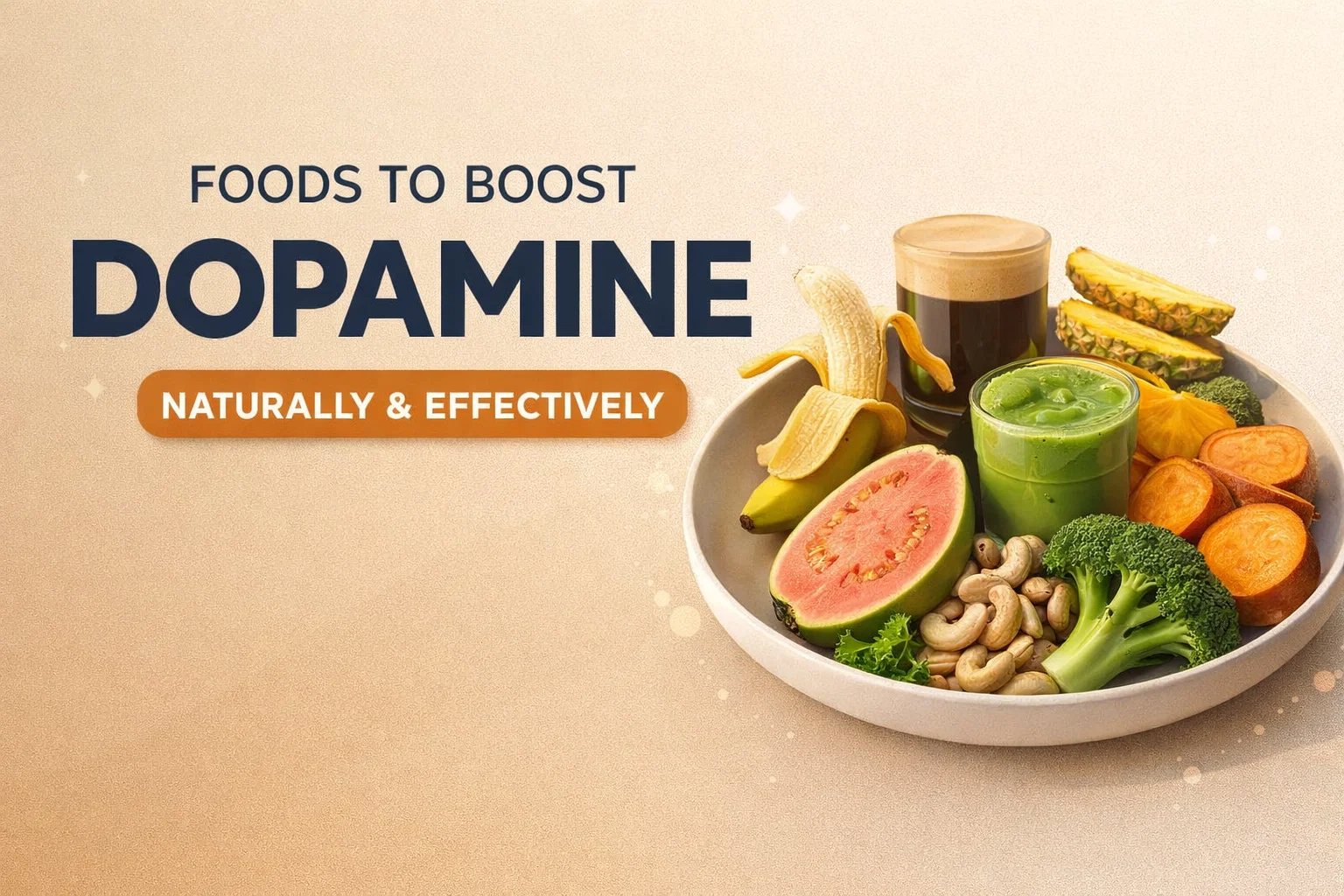
9 Best Foods to Naturally Boost Dopamine Mood Boosting Nutrition Healthy Diet Tips
Have you ever had one of those mornings where your brain feels like it is trying to start a cold engine? That sluggish, unmotivated fog is often more than just a lack of sleep; it is a sign that your brain’s reward system is running low on its favorite fuel. Dopamine is the legendary chemical messenger responsible for motivation, focus, and that satisfying sense of accomplishment. While many people reach for sugary energy drinks or endless scrolls on social media to get a quick fix, the most sustainable way to support your mental clarity is actually found in your kitchen. By choosing specific whole foods, you can provide your body with the raw materials it needs to manufacture dopamine naturally and steadily throughout the day.
The Science of the Spark: How Food Influences Dopamine
Dopamine does not just appear out of thin air. It is synthesized in the brain and kidneys through a specific biochemical pathway. To keep this pathway clear and efficient, your body requires a steady supply of amino acids, vitamins, and minerals. Most dopamine production begins with an amino acid called tyrosine. When you consume foods rich in tyrosine or its precursor, phenylalanine, you are essentially giving your brain the building blocks it needs to create that feel-good sensation. However, it is not just about protein. Antioxidants and specific plant compounds play a massive role in protecting the neurons that transmit these signals, ensuring that your mood stays resilient even during stressful times.
Bananas: The Tyrosine Powerhouse
Bananas are often called the ultimate mood food for a very good reason. They are exceptionally high in tyrosine, the primary amino acid used to create dopamine. Unlike a quick hit of refined sugar that leads to a crash, the natural fiber in bananas ensures that the energy release is sustained. This helps maintain a stable mood rather than a jagged spike and drop. Additionally, bananas are rich in vitamin B6, which acts as a crucial co-factor in the synthesis of neurotransmitters. Eating a banana in the afternoon can be the difference between a productive final two hours of work and a complete mental burnout.
Coffee: Caffeine and Receptor Sensitivity
Coffee is perhaps the most famous dopamine booster on the planet. The caffeine in your morning brew works by blocking adenosine receptors, which normally make you feel sleepy. As a result, it increases the release of dopamine and enhances the sensitivity of dopamine receptors in the brain. This makes the dopamine you already have work even harder. The key with coffee is moderation. When consumed in balance, it sharpens focus and elevates mood, but overdoing it can lead to jitters and an eventual depletion of the very chemicals you are trying to boost.
Pineapple: More Than Just Tropical Flavor
Pineapple contains a unique enzyme called bromelain. While bromelain is famous for its anti-inflammatory properties and its ability to aid digestion, it also plays a role in brain health. By reducing systemic inflammation, bromelain helps create a cleaner environment for neurotransmitter signaling. Furthermore, pineapples are a great source of natural fermentation precursors that support gut health. Since a significant portion of the body’s neurotransmitter precursors are processed in the digestive tract, a happy gut directly leads to a happy mind.
Green Energy and Rooted Focus
When we look at vegetables and leafy greens, we see a different side of the dopamine equation. These foods often work by providing the calming balance necessary to keep dopamine from turning into anxiety.
Green Tea and the Power of L-Theanine
If coffee is the lightning bolt of dopamine, green tea is the steady glow. Green tea contains a unique amino acid called L-Theanine. This compound is remarkable because it can cross the blood-brain barrier and increase the activity of the inhibitory neurotransmitter GABA, while simultaneously boosting dopamine levels. This creates a state of alert relaxation or calm focus. It is the perfect choice for someone who needs to be productive but finds that too much coffee makes them feel scattered. The antioxidants in green tea, specifically EGCG, also protect brain cells from oxidative stress.
Guava: The Vitamin C Shield
Guava is a nutritional hidden gem, particularly when it comes to Vitamin C content. Vitamin C is a critical antioxidant that protects the brain’s delicate dopamine-producing neurons from free radical damage. If these neurons are damaged, your ability to feel pleasure and motivation can decrease over time. Guava provides a massive dose of this protective vitamin, ensuring that your brain stays youthful and responsive to the positive stimuli in your life.
Sweet Potatoes and Beta-Carotene
The vibrant orange color of a sweet potato is a visual cue for its high beta-carotene content. Once inside the body, beta-carotene is converted into Vitamin A, which is essential for the health of the central nervous system. Sweet potatoes also provide complex carbohydrates. These carbs help the brain absorb tryptophan and tyrosine more effectively. By providing a slow, consistent rise in blood sugar, sweet potatoes prevent the irritability and brain fog associated with low glucose levels, keeping your dopamine production on an even keel.
The Unsung Heroes: Beets, Cashews, and Broccoli
Some of the best foods for your brain are the ones that improve the physical infrastructure of your body, such as your blood flow and mineral balance.
Beets and Nitrates for Better Blood Flow
Beets are rich in natural nitrates, which the body converts into nitric oxide. Nitric oxide relaxes the blood vessels and improves circulation throughout the body, including the brain. Increased blood flow means more oxygen and more nutrients reaching the areas of the brain responsible for executive function and reward. When your brain is well-oxygenated, it can produce and utilize dopamine much more efficiently. Whether you drink beet juice or roast them for a salad, you are essentially giving your brain a fresh breath of air.
Cashews and the Importance of Copper
Nuts are generally great for brain health, but cashews have a specific edge because of their copper and magnesium content. Copper is a vital mineral that helps convert dopamine into norepinephrine, another neurotransmitter that aids in focus and response to stress. Magnesium, on the other hand, helps regulate the nervous system and prevents over-excitation. A handful of cashews provides the healthy fats and minerals needed to keep the brain’s electrical signaling crisp and clear.
Broccoli and Sulforaphane
Broccoli is a cruciferous powerhouse containing a compound called sulforaphane. Emerging research suggests that sulforaphane has potent neuroprotective properties. It helps trigger the body’s natural antioxidant defenses, which shield the brain from toxins and inflammation. By keeping the brain environment clean, broccoli ensures that your dopamine receptors remain sensitive. It is the long-term maintenance food that keeps your mental machinery running smoothly for years to come.
Building a Dopamine-Friendly Lifestyle
While eating these nine foods is a fantastic start, the magic truly happens when you combine a dopamine-rich diet with healthy habits. Dopamine thrives on a foundation of quality sleep, regular movement, and sunlight. When you eat a banana or drink a cup of green tea before a morning walk, you are stacking the deck in your favor. You are giving your body the nutrients to make the chemical and the physical stimulus to release it.
It is also important to remember that hydration plays a role. Even slight dehydration can lead to a drop in cognitive performance and mood. Pairing your beets and sweet potatoes with plenty of water ensures that these nutrients are transported effectively to where they are needed most. Think of your diet as the fuel and your lifestyle as the engine; both need to be in top shape to reach your peak potential.
Conclusion: Small Bites, Big Changes
Optimizing your dopamine levels does not require a complete lifestyle overhaul overnight. It starts with simple, delicious choices. Whether it is swapping your second afternoon coffee for a cup of green tea or adding a side of roasted beets to your dinner, these small adjustments add up to a significant impact on your mental well-being. By focusing on whole, nutrient-dense foods like guavas, cashews, and broccoli, you are nourishing the very foundation of your motivation and joy. Your brain is your most valuable asset, and it deserves to be fed with the best ingredients nature has to offer. Start incorporating these dopamine-boosting foods today and feel the difference in your focus, your energy, and your outlook on life.
Would you like me to create a 7-day meal plan based on these dopamine-boosting ingredients to help you get started?