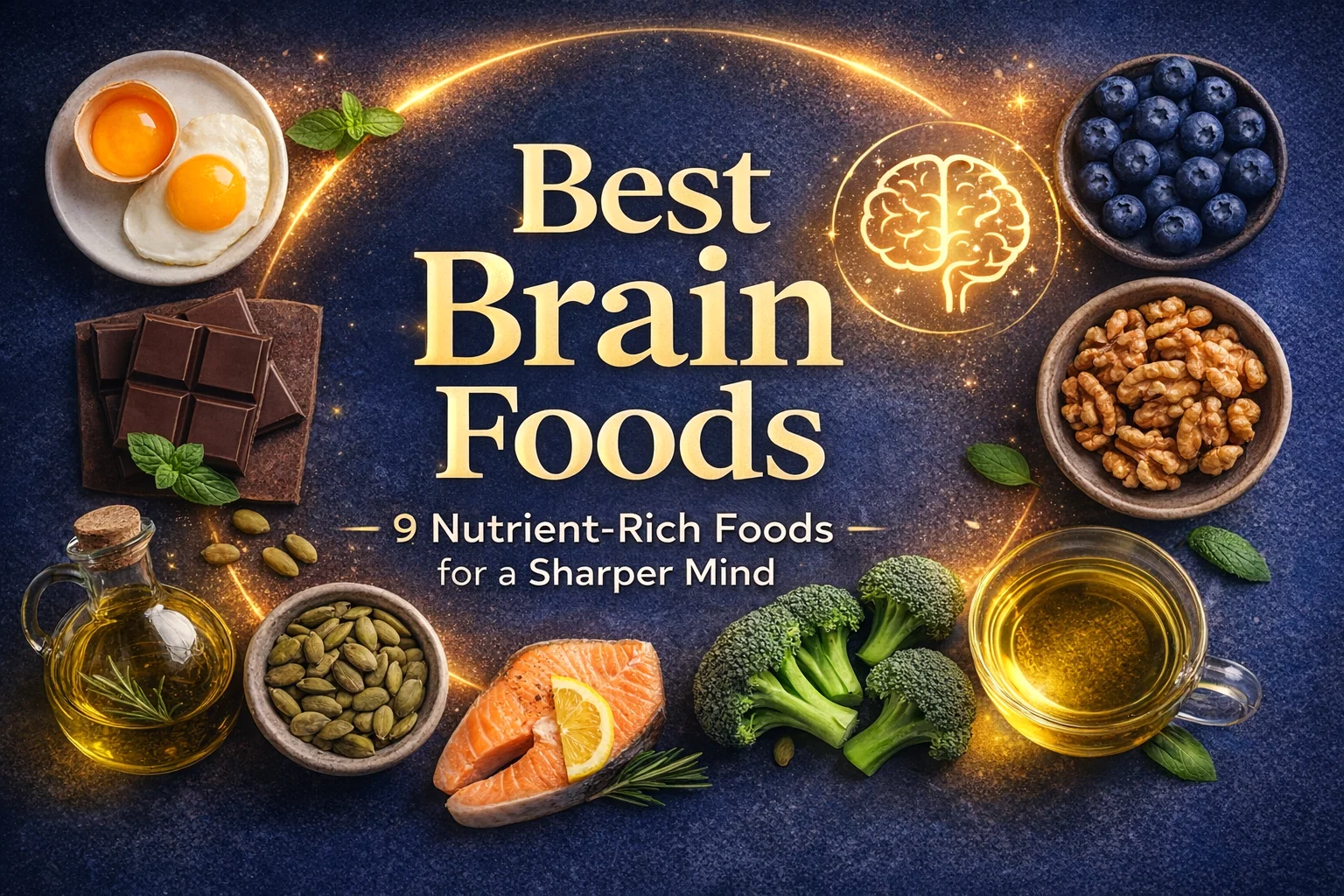
9 Brain-Boosting Foods for Focus and Memory Natural Fuel for Your Mind Without Sugar
Focus is not just a mental state; it is a metabolic process. While we often think of our brain as an abstract center of thoughts and emotions, it is actually the most energy-demanding organ in the human body. It burns more fuel than any muscle, and the quality of that fuel determines how well you can concentrate, remember, and process information. In a world filled with sugary snacks and processed convenience foods that lead to energy crashes, shifting your focus toward high-quality, sugar-free brain fuel is the ultimate secret to cognitive longevity. By choosing the right nutrient-dense foods, you can sharpen your mental clarity and protect your neurons without the inflammatory side effects of glucose spikes.
The Metabolic Brain: Why Your Diet Matters More Than You Think
Most people treat their diet as a way to manage weight or physical appearance, but the impact on the brain is arguably more significant. The brain represents only about 2 percent of your body weight, yet it consumes roughly 20 percent of your total daily energy intake. This energy is used to maintain electrical signals, repair cellular damage, and facilitate communication between billions of neurons. When you feed your brain refined sugars, you are essentially providing a low-quality fuel that burns hot and fast, leaving behind metabolic waste and causing systemic inflammation. Transitioning to a sugar-free, nutrient-dense diet allows your brain to run on more stable sources of energy like healthy fats and complex micronutrients.
Essential Nutrients for Memory and Cognitive Speed
To optimize your mental performance, you need a specific set of building blocks. These nutrients act as the software and hardware updates for your mind. If you find yourself struggling with forgetfulness or a lack of focus, you may simply be deficient in the key compounds that allow your brain to function at its peak. Let us explore the specific foods that provide these essential benefits.
Eggs: The Power of Choline for Memory
Eggs are often referred to as nature’s multivitamin, and for good reason. They are one of the best dietary sources of choline, a nutrient that the body uses to produce acetylcholine. This is a crucial neurotransmitter that helps regulate mood and memory. Research has shown that higher intakes of choline are linked to better cognitive function and a lower risk of cognitive decline as we age. Beyond choline, eggs provide B vitamins like B12 and folate, which are essential for preventing brain shrinkage and supporting overall neurological health. Starting your day with eggs provides a stable foundation for a sharp mind.
Shutterstock
Walnuts: Omega-3 Fatty Acids for Neuron Health
It is no coincidence that a walnut looks remarkably like a tiny human brain. These nuts are a powerhouse of alpha-linolenic acid, a type of plant-based omega-3 fatty acid. Omega-3s are vital because they are integrated into the cell membranes of neurons, making them more fluid and better at communicating with one another. Walnuts also contain more antioxidants than most other common nuts, which helps fight oxidative stress in the brain. Incorporating a handful of walnuts into your daily routine can help keep your neural pathways flexible and responsive.
Blueberries: Antioxidants for Mental Clarity
Often called “brain berries,” blueberries are packed with anthocyanins, a group of plant compounds with powerful anti-inflammatory and antioxidant effects. These compounds act against oxidative stress and inflammation, two conditions that contribute to brain aging and neurodegenerative diseases. The antioxidants in blueberries have been found to accumulate in the brain and improve communication between brain cells. Whether fresh or frozen, these small fruits are a delicious way to clear away the mental fog and improve your ability to learn and retain new information.
Sharp Focus and Steady Energy Without the Sugar Crash
Maintaining a high level of productivity requires steady energy levels. Traditional snacks often lead to a “spike and crash” cycle that leaves you feeling exhausted by mid-afternoon. By focusing on foods that provide flavonoids, healthy fats, and amino acids, you can maintain a “calm alert” state that lasts all day long.
Dark Chocolate: Flavonoids for Intense Focus
If you need a reason to enjoy dark chocolate, here it is: it is excellent for your brain. Dark chocolate with at least 70 percent cocoa content contains flavonoids, caffeine, and antioxidants. Flavonoids are a group of antioxidant plant compounds that specifically gather in the areas of the brain that handle learning and memory. Studies suggest these compounds can enhance memory and help slow down age-related mental decline. The small amount of natural caffeine also provides a gentle boost in focus without the jitters often associated with coffee.
Broccoli: Vitamin K and Cognitive Power
Broccoli is one of the most nutrient-dense vegetables on the planet. It is packed with vitamin K, providing more than 100 percent of the Recommended Daily Intake in a single cup. This fat-soluble vitamin is essential for forming sphingolipids, a type of fat that is densely packed into brain cells. Beyond vitamin K, broccoli contains several compounds that give it anti-inflammatory and antioxidant effects, which may help protect the brain against damage. It is a true “smart food” that supports long-term cognitive health.
Green Tea: The L-theanine Advantage
While coffee is great for a quick jolt, green tea offers a more sophisticated type of energy. It contains caffeine, which improves alertness, but it also contains the amino acid L-theanine. L-theanine can cross the blood-brain barrier and increase the activity of the neurotransmitter GABA, which helps reduce anxiety and makes you feel more relaxed without making you feel tired. The combination of caffeine and L-theanine is famous for producing a state of “calm alertness,” allowing you to focus deeply on complex tasks without the restlessness caused by other stimulants.
Longevity and Repair: Protecting Your Brain for the Future
The brain has an amazing ability to repair itself and adapt, a process known as neuroplasticity. However, this process requires specific nutrients to serve as the tools for renovation. By eating foods that support circulation and provide the raw materials for cellular repair, you are essentially investing in your future self.
Pumpkin Seeds: Zinc for Brain Repair
Pumpkin seeds are small but mighty when it comes to brain health. They are an incredible source of zinc, a mineral that is crucial for nerve signaling. Zinc deficiency is often linked to many neurological conditions, including depression and Alzheimer’s disease. These seeds also provide magnesium, copper, and iron. Magnesium is essential for learning and memory, while copper helps control nerve signals. Iron is vital for preventing brain fog and impaired brain function. A simple sprinkle of pumpkin seeds on your salad or yogurt can provide the trace minerals your brain needs to stay resilient.
Olive Oil: Polyphenols for Healthy Circulation
The brain requires a massive amount of blood flow to function properly. Olive oil, specifically extra virgin olive oil, is rich in polyphenols that improve blood vessel health and circulation. When your circulation is optimized, your brain receives more oxygen and nutrients. Olive oil also contains oleocanthal, a compound that helps the brain clear out the toxic proteins associated with cognitive decline. It is one of the pillars of the Mediterranean diet, which is consistently ranked as the best diet for long-term brain health and longevity.
Salmon: DHA for Brain Plasticity
Fatty fish like salmon is perhaps the most famous brain food of all. It is a rich source of omega-3 fatty acids, specifically EPA and DHA. About 60 percent of your brain is made of fat, and half of that fat is the omega-3 kind. DHA is particularly important because it is a primary structural component of the human brain and retina. High levels of DHA are associated with better brain plasticity, which is the ability of the brain to change and grow in response to new information. Eating salmon regularly ensures that your brain has the physical materials it needs to build new connections and stay sharp as you age.
Simple Ways to Integrate Brain Foods Into Your Daily Routine
You do not need a complete pantry overhaul to start reaping the benefits of these foods. The key is consistency and small, sustainable changes. Here are a few quick tips to help you get started:
- Upgrade Your Breakfast: Swap your morning cereal or bagel for a two-egg omelet with broccoli and a side of blueberries.
- Smart Snacking: Keep a jar of walnuts and pumpkin seeds at your desk to avoid the temptation of vending machine snacks.
- Sip Smarter: Replace one of your daily coffees with a cup of high-quality green tea to experience the L-theanine boost.
- Choose Quality Fats: Use extra virgin olive oil as your primary dressing for salads and vegetables instead of processed seed oils.
- Plan Your Protein: Aim to have fatty fish like salmon at least twice a week to keep your DHA levels topped up.
The Holistic Connection Between Food and Mind
It is important to remember that the brain does not operate in a vacuum. While these nine foods are incredibly powerful, they work best when supported by other healthy lifestyle habits. Quality sleep, regular physical activity, and stress management all play a role in how your brain metabolizes these nutrients. When you combine a sugar-free, nutrient-dense diet with a healthy lifestyle, you create an environment where your cognitive potential can truly flourish. You will likely notice that your mood stabilizes, your energy levels become more consistent, and that mid-afternoon “wall” begins to disappear.
A Bright Future for Your Brain
Investing in your brain health is one of the most rewarding decisions you can make. Unlike many other health goals that take months to show results, the cognitive benefits of eating well can often be felt within just a few days. You will find yourself more engaged in conversations, more productive at work, and more present in your daily life. By viewing food as fuel for your metabolism rather than just a source of pleasure, you take control of your mental destiny.
The journey to a sharper mind starts with your next meal. Whether it is a piece of dark chocolate for focus or a salmon dinner for long-term plasticity, every choice you make is a vote for your cognitive future. Embrace these nine superfoods and give your brain the sugar-free fuel it deserves. Your mind will thank you for years to come.
Would you like me to generate a set of Pinterest-optimized titles and descriptions for this blog post to help with your social media promotion?