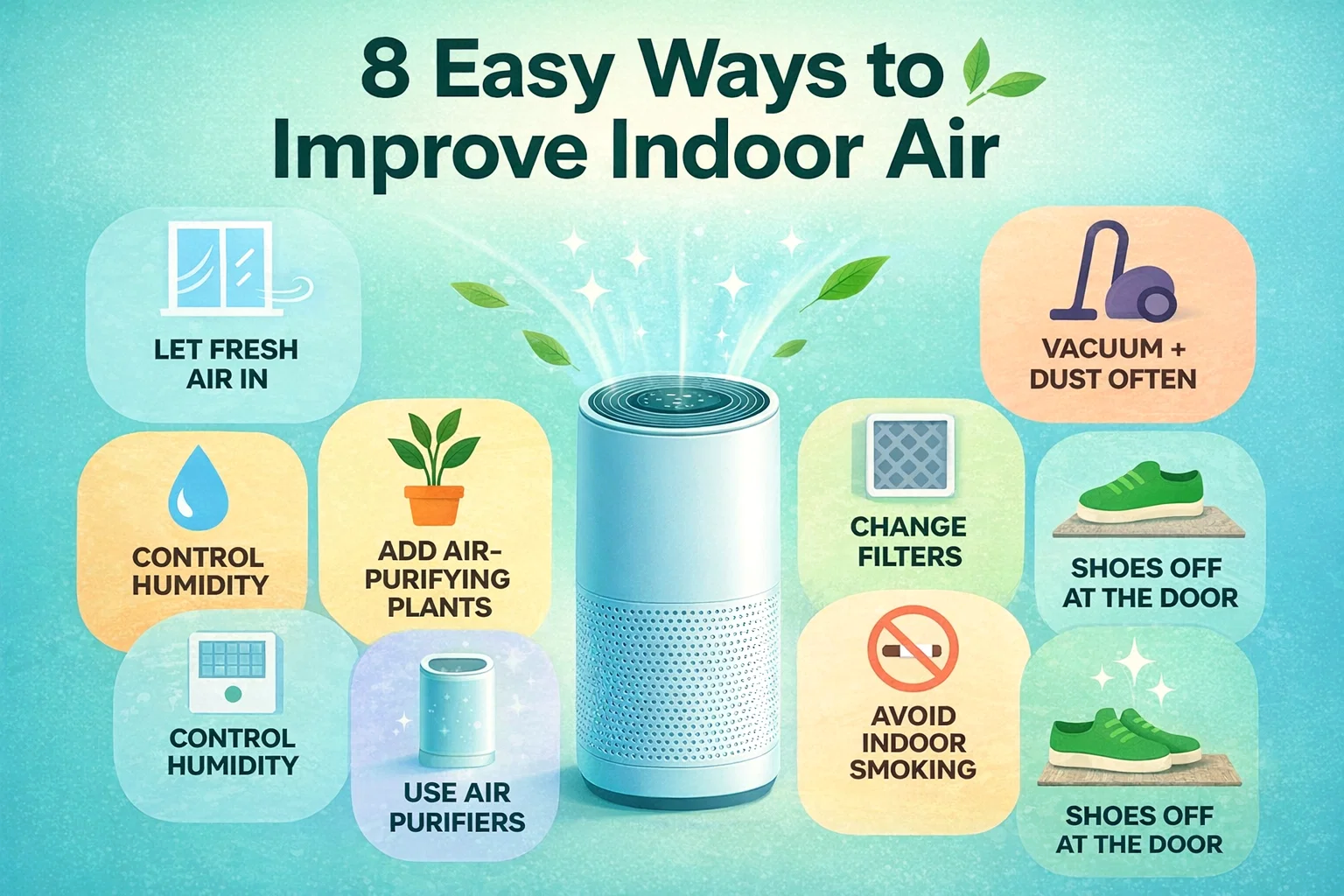
9 Easy Ways to Improve Indoor Air Quality Fresh Healthy Home Tips
Your home is your sanctuary, the place where you should feel most safe and relaxed. However, what many of us fail to realize is that the air we breathe inside can sometimes be more polluted than the air outside. From household dust and pet dander to volatile organic compounds found in cleaning sprays, indoor air quality plays a massive role in our overall health and energy levels. If you have been feeling a bit sluggish or notice your allergies flaring up while you are relaxing on the couch, it might be time to take a closer look at your indoor environment. The good news is that improving your air quality does not require an expensive industrial overhaul. With a few intentional habits and some natural additions, you can transform your living space into a breath of fresh air.
The Simple Power of Natural Ventilation
One of the most effective and entirely free ways to boost the health of your home is simply letting the outside in. We often keep our homes sealed tight to maintain temperature, but this leads to stagnant air where pollutants and CO2 build up over time. Opening your windows for even fifteen minutes a day can create a cross-breeze that flushes out stale air and brings in a fresh supply of oxygen. This is especially important during activities like cooking or cleaning, which release particles into the air. Even in the winter, a quick daily vent can make a world of difference in how crisp and clean your home feels.
Greenery That Works for You: Air-Cleaning Plants
Nature has its own built-in filtration system, and bringing it indoors is both aesthetic and functional. Certain houseplants are famous for their ability to absorb toxins like formaldehyde and benzene from the air. Integrating these into your decor is a fantastic way to improve air quality passively.
The Best Plants for Air Purification
- Snake Plants: These are nearly indestructible and are unique because they convert CO2 into oxygen at night, making them perfect for bedrooms.
- Peace Lilies: Known for their beautiful white blooms, these plants are powerhouses at filtering out common household toxins.
- Spider Plants: These are great for beginners and work wonders at removing carbon monoxide and xylene from the environment.
By placing a few of these around your high-traffic areas, you are creating a living, breathing filtration system that looks as good as it works.
Mastering Dust Control and Vacuuming
Dust is more than just an eyesore; it is a cocktail of skin cells, fabric fibers, and outdoor pollutants that settle on every surface. To truly clear the air, you need to go beyond surface-level cleaning. Regular vacuuming is essential, but the type of vacuum you use matters immensely. A vacuum equipped with a HEPA (High-Efficiency Particulate Air) filter is a game-changer. These filters are designed to trap tiny particles that standard vacuums simply blow back out into the room. Dusting with a damp microfiber cloth instead of a feather duster also ensures that you are actually removing the dust rather than just sending it airborne.
Why Humidity Levels Matter for Your Health
The moisture content in your air is a balancing act. If the air is too dry, it can irritate your respiratory system and skin. If it is too humid, you create a breeding ground for mold and dust mites. Aiming to keep your indoor humidity between 30 percent and 50 percent is the sweet spot for a healthy home. You can easily monitor this with an inexpensive hygrometer. If you live in a damp climate, using a dehumidifier in basements or bathrooms can prevent mold spores from taking hold, while a humidifier can help during dry winter months to keep your lungs and throat comfortable.
The Role of Modern Technology: Air Purifiers and Filters
While natural methods are amazing, sometimes we need a little help from modern technology. Investing in a high-quality air purifier can be one of the best moves for your long-term health, especially if you have pets or live in an urban area. Look for units that feature true HEPA filtration to ensure they are catching the smallest pollutants. Additionally, do not forget the systems you already have in place. Your HVAC and AC systems have filters that work hard to keep your air clean, but they can only do their job if they are replaced regularly. A clogged filter not only reduces air quality but also forces your system to work harder, which can increase your energy bills.
When to Change Your HVAC Filters
As a general rule, you should check your filters every month and replace them at least every three months. If you have furry friends running around, you might need to change them even more frequently. This simple maintenance task ensures that the air circulating through your vents is always as clean as possible.
Creating a Chemical-Free Fragrance Zone
We all love a home that smells like a spa, but many conventional candles, air fresheners, and synthetic sprays are loaded with chemicals that degrade indoor air quality. These products often release VOCs that can cause headaches or respiratory irritation. Going natural is a much safer alternative. Consider using essential oil diffusers with pure oils like lemon, lavender, or eucalyptus. Beeswax or soy candles with natural wicks are also better choices if you love the ambiance of a flame. By avoiding synthetic “candies” and heavy artificial fragrances, you are removing a major source of indoor pollution that many people overlook.
The “Shoes Off” Policy: Protecting Your Floors and Lungs
It sounds simple, but leaving your shoes at the door is one of the most effective ways to keep toxins out of your living space. Our shoes pick up everything from pesticides and heavy metals to bacteria and dirt from the street. When we wear them inside, we track those particles onto our carpets and rugs, where they eventually become airborne. Setting up a dedicated shoe rack by the entrance encourages everyone to kick off their shoes, keeping your floors cleaner and your air much purer. It is a small cultural shift in the home that pays off in a big way for your health.
Commitment to a Smoke-Free Interior
It goes without saying that indoor smoking is one of the single biggest threats to air quality. The lingering smoke and residue, often called third-hand smoke, settle into furniture and walls, releasing toxins long after the cigarette is gone. Keeping your home a strictly smoke-free zone is vital for protecting the lungs of everyone who lives there, especially children and pets who are more sensitive to airborne irritants.
A Breath of Fresh Air for a Better Life
Improving your indoor air quality is not a project you have to finish in a single day. It is about making small, sustainable changes that add up to a much healthier environment. Start by opening a window today, or perhaps pick up a new snake plant on your next trip to the store. As you implement these nine easy strategies, you will likely notice a shift in your energy, your sleep quality, and your overall sense of comfort. Your home is where your life happens, and by prioritizing the air you breathe, you are making a profound investment in your future well-being. Take a deep breath, embrace these natural habits, and enjoy the clarity that comes with a clean, breathable home.