9 Gentle Reality Checks for Mental Health, Boundaries, and Healing Self Growth Quotes
We have all been there. You are working hard, giving your all to a relationship, a career path, or a personal habit, but something feels off. You are exhausted, yet you keep pushing. You are hurt, yet you keep returning to the source of the pain. It is easy to get caught up in the momentum of our daily lives and forget to stop and ask if what we are doing is actually serving our highest good. Sometimes, we need more than just a pep talk; we need a gentle reality check to help us pivot toward a healthier, more fulfilling path.
The human mind is a master of justification. We tell ourselves that things will change, that the next time will be different, or that we just need to try a little bit harder. However, as the old saying goes, insanity is doing the same thing over and over again and expecting different results. Breaking these cycles requires a high level of self awareness and the courage to admit when something is no longer working. By looking at our lives through the lens of simple, relatable metaphors, we can often see the truth more clearly than if we were staring at the problem directly.
Recognizing the Signs of Emotional Exhaustion
One of the most profound lessons we can learn is to stop running on empty. In our modern world, burnout is often worn as a badge of honor. We celebrate the hustle and the grind, but we rarely celebrate the rest. If you were driving a car and the fuel light came on, you would immediately look for a gas station. You would not expect the car to keep going for another hundred miles without fuel. Yet, we often expect our bodies and minds to perform at peak levels when we have nothing left to give.
Running on empty is not just about physical tiredness. it is about emotional and spiritual depletion. When you are emotionally bankrupt, you have less patience, less creativity, and less capacity for joy. Recognizing this state is the first step toward recovery. You must give yourself permission to pull over, refuel, and acknowledge that your energy is a finite resource that needs to be managed with care.
The Danger of Watering Dead Plants
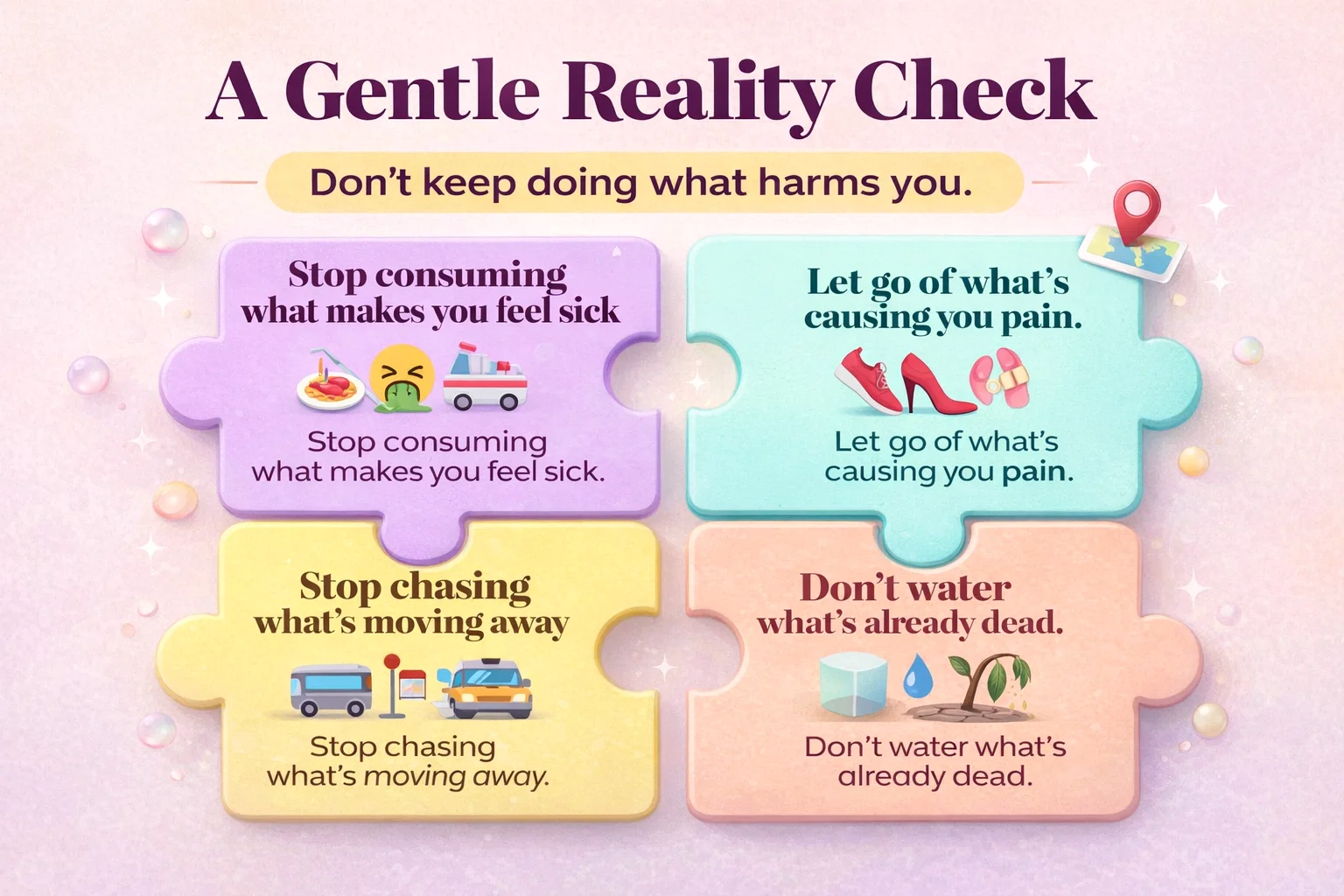
We often pour our energy into things that are simply incapable of growing. This might be a one sided friendship, a business venture that has lost its spark, or a version of ourselves that no longer exists. Watering dead plants is a metaphor for the wasted effort we spend trying to revive what is already gone. It stems from a fear of letting go and a hope that our sheer willpower can bring something back to life.
Accepting that a plant is dead is not a failure; it is an observation of reality. When we stop watering the dead plants in our lives, we suddenly find that we have a lot more water and energy to give to the things that are actually thriving. Letting go creates the space necessary for new growth to occur. It allows us to clear out the old pots and prepare the soil for something fresh and vibrant.
Setting Boundaries with Grace and Clarity
Boundaries are the invisible lines that define where we end and others begin. They are essential for maintaining our mental health and self respect. A common misconception is that boundaries are meant to keep people out, but in reality, they are meant to keep us safe. Think of a locked door. A locked door is not a personal insult or a sign of hostility; it is a clear indication that entry is not permitted at this time. It is a boundary that must be respected.
When we fail to set boundaries, we often feel resentful and overwhelmed. We might feel like people are taking advantage of us, but often it is because we have not clearly communicated our limits. Learning to say no without guilt is one of the most empowering things you can do. It sends a message to the world, and more importantly to yourself, that your time and energy are valuable.
Why Nothing Grows in Frozen Soil
Timing is everything. Sometimes, the problem isn’t the seed or the gardener, but the environment. If the soil is frozen, no amount of seeds or water will produce a harvest. This metaphor applies beautifully to life circumstances. You might have a great idea or a deep desire for change, but if the timing isn’t right or the environment is hostile, you will likely meet resistance.
Forcing growth in a frozen season leads to frustration and wasted resources. Instead of fighting against the elements, it is often wiser to wait for the thaw. Use the “winter” periods of your life for reflection, planning, and rest. When the environment becomes receptive again, you will be ready to plant with confidence, knowing that your efforts will finally yield results.
The Trap of Familiar Pain
It is a strange quirk of human psychology that we often prefer familiar pain to the uncertainty of change. This is why people go back to shoes that gave them blisters. We know they hurt, but we know how they hurt. The unknown, on the other hand, represents a different kind of risk. We might fear that the new shoes will be even worse, so we stick with the ones that are already damaging us.
Breaking free from familiar pain requires a shift in perspective. You have to decide that the temporary discomfort of breaking in a new pair of shoes is better than the chronic pain of staying in the old ones. This applies to toxic relationships, unfulfilling jobs, and negative self talk. Just because something is familiar does not mean it is good for you. You deserve to walk through life without blisters.
Chasing Buses That Already Left
Regret is a heavy burden to carry. Many of us spend a significant amount of time “chasing buses that already left.” We dwell on past mistakes, missed opportunities, and “what if” scenarios. While reflecting on the past can provide valuable lessons, dwelling on it prevents us from catching the next bus that is pulling up to the station right now.
The bus that has left is gone. No amount of running or shouting will bring it back. The sooner you stop chasing it, the sooner you can catch your breath and look around at the new opportunities standing right in front of you. Life is constantly moving, and there is always another bus, another chance, and another path to take. Your energy is much better spent looking forward than looking back.
Trusting Your Internal Compass
We often look to external “maps” to tell us where we should go in life. These maps are often drawn by society, our parents, or our peers. They tell us what success looks like, when we should get married, and what kind of career we should have. However, following a map that leads nowhere is a recipe for a midlife crisis or a deep sense of unfulfillment.
If the map you are following isn’t leading you to a place of peace and purpose, it is time to throw it away. You have an internal compass that knows what is right for you. It might not follow a conventional path, and it might lead you through some uncharted territory, but it will always lead you toward your authentic self. Trusting your intuition over a faulty map is a courageous act of self loyalty.
Moving Out of the Wrong Lines
Patience is a virtue, but there is a difference between being patient and being stuck. Standing in a line that isn’t moving is a waste of your most precious asset: time. We often stay in stagnant situations because we feel like we have already invested too much time to leave. This is known as the sunk cost fallacy.
Whether it is a career path with no growth or a relationship that has reached a dead end, you have the right to step out of the line. You don’t have to wait for permission or for someone else to move first. If the line isn’t going where you want to go, find a different line or start your own. Your time is too valuable to spend waiting for something that is never going to happen.
Choosing What Feeds Your Soul
Just as we must be careful about the food we put into our bodies, we must be careful about the “food” we put into our minds and spirits. If you keep consuming content, environments, or company that makes you feel sick, anxious, or less than, you will eventually become unwell. Self care is not just about bubble baths; it is about being disciplined with what you allow into your space.
Acknowledge the things that leave you feeling drained or “nauseous” emotionally. It might be social media scrolling, certain news outlets, or even specific people who thrive on drama. Once you identify these toxins, you can begin to eliminate them. Replace them with “nutrients” that inspire you, challenge you in healthy ways, and bring you peace. You are what you consume, so choose wisely.
Conclusion: Moving Forward with Clarity
Growth is rarely a straight line. It is a series of realizations, pivots, and gentle reality checks. By paying attention to these metaphors, we can start to see our patterns with more compassion and less judgment. Remember that it is okay to change your mind, it is okay to leave a situation that no longer fits, and it is absolutely necessary to protect your own well being.
The journey toward a healthier life begins with a single honest observation. Which of these reality checks resonated with you the most today? Perhaps it is time to stop watering a dead plant or to finally step out of a line that has stopped moving. Whatever it is, trust that you have the strength to make the change. You are the architect of your own life, and you have the power to build something beautiful, one boundary and one decision at a time.