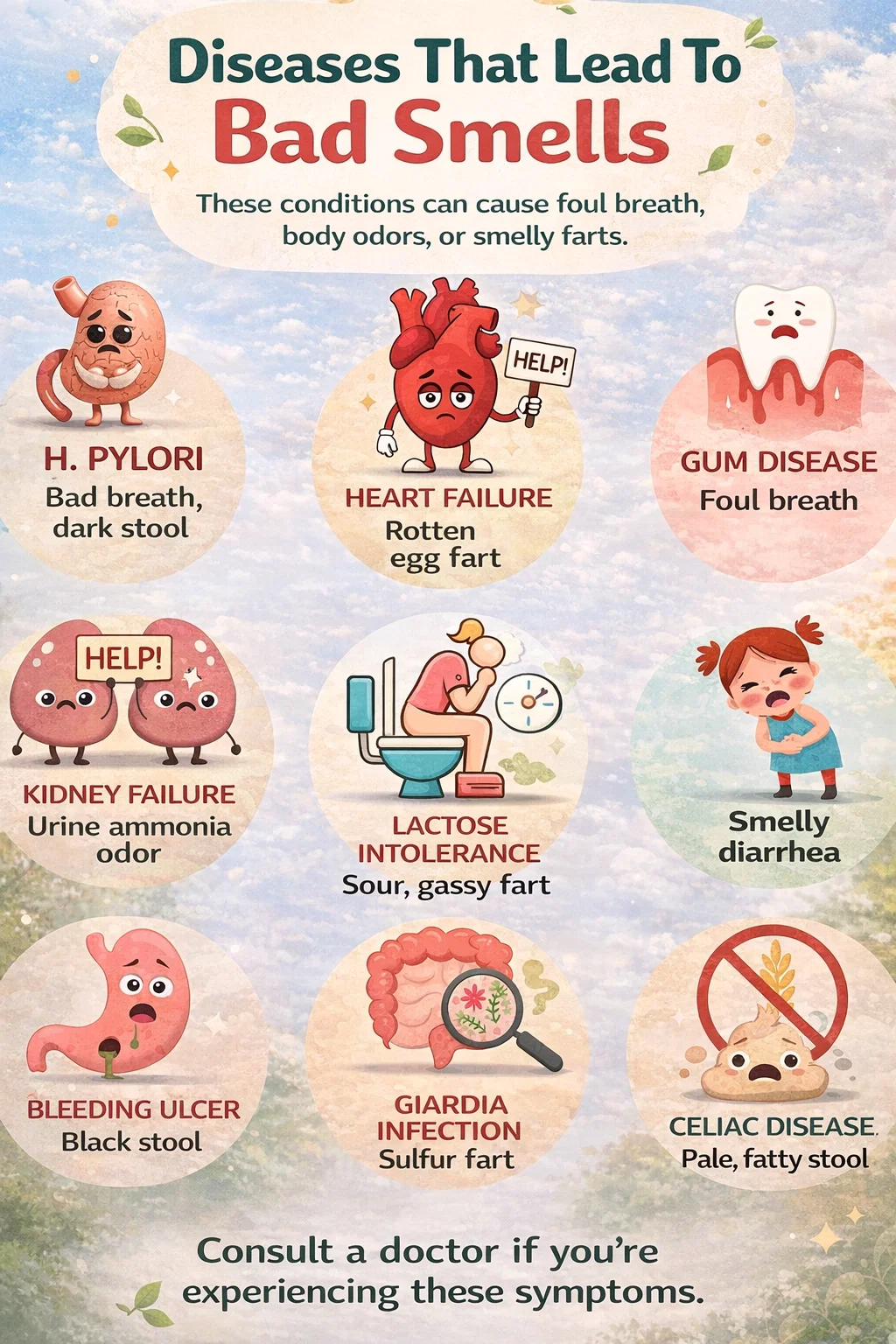
9 Health Warning Signs What Your Body Odor and Stool Color Say About Your Health
Your body is a complex system that communicates in ways you might not expect. While we often look for obvious signs of illness like a fever or a sharp pain, some of the most telling indicators of your internal health come from the way you smell. From the scent of your breath to the odor of your sweat and even the characteristics of your stool, these biological signals act as an early warning system. Understanding what these “smell causes” mean can help you identify issues like digestive imbalances, organ stress, or infections before they become severe. Exploring these connections is not just about hygiene; it is about developing a deep intuition for your personal wellness.
The Connection Between Odor and Internal Health
Medical professionals have known for centuries that certain diseases produce distinct odors. Long before modern lab tests, physicians used their senses to diagnose patients. Today, we understand the science behind this: when the body struggles to process certain toxins or when bacteria overpopulate a specific area, they release volatile organic compounds. These compounds escape through our breath, skin, and waste, creating specific scents that correlate with internal conditions. By paying attention to these shifts, you can gain a head start on addressing underlying health concerns.
H. Pylori and the Warning Signs in Your Breath
Helicobacter pylori, or H. pylori, is a type of bacteria that infects the stomach. One of the most common symptoms is chronic bad breath that does not go away with brushing or mouthwash. This happens because the bacteria produce ammonia to protect themselves from stomach acid, which then escapes through the mouth. Additionally, H. pylori can cause internal irritation leading to dark or tarry stools. If you notice a persistent metallic or foul odor in your breath combined with digestive discomfort, it may be time to look closer at your gut microbiome.
What Your Digestive Scents Say About Your Gut
The digestive tract is home to trillions of bacteria, and when things are out of balance, the resulting gas and waste tell the story. While some flatulence is a normal part of healthy digestion, certain “off” smells can point toward specific sensitivities or infections that require attention.
Lactose Intolerance and Sour Odors
If you experience a sour or gassy smell after consuming dairy, your body might be struggling to produce enough lactase. When lactose remains undigested in the colon, it ferments, creating a distinctively acidic or sour odor. This is often accompanied by bloating and discomfort. Switching to enzyme supplements or dairy alternatives can often resolve these symptoms quickly, but the smell is the primary clue that your enzymes are not keeping up with your diet.
Giardia Infection and Sulfur Gas
A Giardia infection is a parasitic condition that often results in gas that smells strongly of sulfur or “rotten eggs.” This parasite interferes with the body’s ability to absorb fats, leading to greasy, foul-smelling stools and intense gas. Because Giardia is often contracted through contaminated water, it is a crucial symptom to monitor if you have recently been traveling or hiking. Identifying this specific scent can lead to a much faster diagnosis and treatment plan.
Organ Function and Chemical Smells
When major organs like the kidneys or heart are under stress, the chemical composition of your body fluids changes. These shifts often manifest as sharp, chemical, or unexpectedly pungent odors that serve as a call for help from your internal systems.
Kidney Failure and the Ammonia Scent
The kidneys are responsible for filtering waste from the blood. When they are not functioning correctly, waste products like urea build up in the system. This can lead to a condition where your urine or even your breath smells strongly of ammonia. A sharp, cleaning-fluid-like scent is a significant indicator that the kidneys are struggling to process toxins. Monitoring your hydration and seeking professional advice when these scents appear is vital for long term organ health.
Heart Failure and Unusual Body Odors
It might seem surprising, but heart health can also influence body odor. While the connection is more indirect than with the digestive system, advanced heart failure can lead to metabolic changes that result in a “rotten egg” scent in sweat or gas. This is often due to the body’s inability to efficiently circulate blood and process metabolic byproducts. When the heart struggles, every system in the body feels the impact, and these olfactory changes are part of the body’s general distress signal.
Analyzing Stool Consistency and Color
While it is not the most pleasant topic, checking your stool is one of the most effective ways to monitor your health daily. The color and consistency are direct reflections of how well your gallbladder, liver, and intestines are working together.
Bleeding Ulcers and Black Stool
A bleeding ulcer in the upper gastrointestinal tract can cause stool to appear black or like coffee grounds. This happens because the blood is digested as it moves through the system. This is a serious signal that should never be ignored. Unlike the temporary darkening caused by iron supplements or certain foods, this change is usually accompanied by a very specific, foul odor that indicates old blood is present in the digestive tract.
Celiac Disease and Pale, Fatty Stool
For those with Celiac disease, consuming gluten triggers an immune response that damages the small intestine. This damage makes it difficult to absorb fats properly. As a result, stools may appear pale, oily, or “fatty” and are notoriously difficult to flush. This indicates that vital nutrients are passing straight through you rather than being absorbed into your bloodstream. Noticing this change is often the first step toward adopting a gluten free lifestyle that can restore your energy and gut health.
Oral Health and Foul Breath
Gum disease is about more than just bleeding gums; it is a systemic issue. Foul breath that persists despite good oral hygiene is often a sign of bacteria hiding deep within the gum pockets. These bacteria release sulfur compounds that create a lingering, unpleasant scent. Because oral health is closely linked to heart health, addressing the “smell cause” in your mouth can actually have a positive ripple effect on your entire body.
Smelly Diarrhea in Children
When children experience unusually smelly diarrhea, it is often a sign of a viral or bacterial infection or perhaps a sudden food sensitivity. Because children can become dehydrated very quickly, the odor of their waste can be a helpful guide for parents to determine the severity of a stomach bug. A particularly pungent or chemical smell often indicates that the body is working hard to flush out a pathogen.
Practical Tips for Monitoring Your Body Signals
Becoming an expert on your own body takes a little bit of mindfulness. You do not need to be a doctor to notice when something changes. Here are a few ways to stay proactive about your internal health through observation.
-
Keep a Food and Symptom Diary: If you notice recurring odors, track what you eat. You might find a direct link between certain scents and foods like dairy, gluten, or high sulfur vegetables.
Stay Hydrated: Water helps the kidneys and liver flush out toxins efficiently. Sometimes, a strong ammonia smell is simply a sign of dehydration rather than organ failure.
Practice Consistent Hygiene: By maintaining a baseline of cleanliness, it becomes much easier to spot “new” odors that are not related to external sweat or bacteria.
Don’t Ignore the Signs: Your body is persistent. If a specific odor remains for more than a few days, it is worth investigating further.
The Importance of Professional Guidance
While self-observation is a powerful tool, it is important to remember that these “smells” are just pieces of a larger puzzle. They are clues that suggest you should consult with a healthcare provider. A doctor can use these symptoms to guide specific tests, such as breath tests for H. pylori, blood work for kidney function, or a biopsy for Celiac disease. Using your observations as a starting point for a conversation with a professional ensures that you get the most accurate diagnosis possible.
Why Context Matters
It is also important to consider context. Diet, medication, and even stress can temporarily change the way we smell. For example, eating a lot of asparagus or garlic will naturally change your odor for a short period. The key is to look for persistence. If a scent remains constant regardless of what you eat or how much you wash, that is when it becomes a significant health indicator.
Empowering Yourself Through Awareness
Taking the time to understand the “smell causes” of various conditions empowers you to take charge of your wellness. Instead of feeling anxious about a new symptom, you can look at it objectively as data. This proactive approach allows for earlier intervention, better management of chronic conditions, and a generally healthier life. Your body is always talking to you; all you have to do is learn the language.
In conclusion, our bodies are incredible machines that use every available method to keep us informed about our internal state. From the “sulfur” gas of a Giardia infection to the “ammonia” breath of kidney stress, these scents are vital pieces of information. By paying attention to these signs and understanding what they represent, you can bridge the gap between feeling “fine” and truly thriving. Remember to listen to your gut, watch for changes, and always treat your body’s signals with the respect they deserve. Stay curious, stay informed, and keep on the path to vibrant health.