9 Quick Easy 5-Minute Pasta Sauce Recipes Gourmet Homemade Dinner Ideas
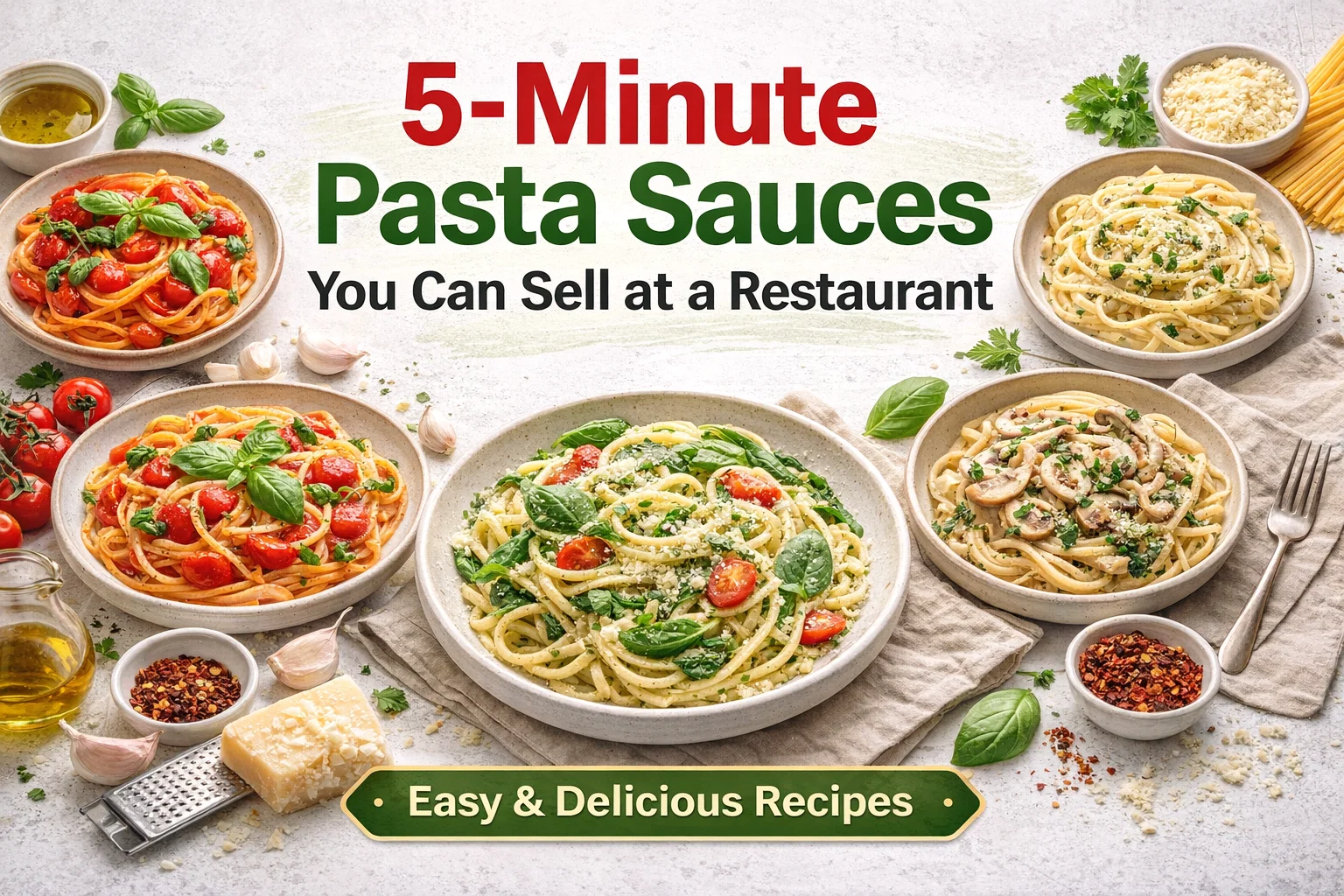
Bringing the magic of a high end trattoria into your own kitchen does not require hours of simmering or a culinary degree. Most of the time, the secret to a world class pasta dish lies in the simplicity of its ingredients and the speed of its execution. When you are hungry after a long day, the last thing you want is a complicated recipe that leaves you with a pile of dishes and a late dinner. That is where the beauty of the five minute sauce comes in. These recipes are designed to be prepared in the time it takes for your pasta to reach that perfect al dente texture, ensuring a fresh, vibrant meal every single time.
The Philosophy of Fast and Fresh Pasta
In the world of professional cooking, speed is often synonymous with skill. However, for the home cook, speed is usually about survival. We often settle for jarred sauces because we assume that a deep, complex flavor requires time. This is a common misconception. Many of the most iconic Italian pasta dishes, such as Aglio e Olio or Cacio e Pepe, rely on high quality fats, sharp aromatics, and the science of emulsification rather than long cooking times. By focusing on how ingredients interact under heat, you can create a luxurious mouthfeel and bold flavor profile in less time than it takes to microwave a frozen meal.
The key to mastering these quick sauces is preparation. Since the cooking process happens so rapidly, you want to have your garlic sliced, your herbs chopped, and your cheese grated before the pasta even hits the boiling water. This method, known as mise en place, allows you to focus on the transitions between adding ingredients, preventing the garlic from burning and ensuring the cream does not break. When you cook this way, you are not just making dinner; you are practicing a streamlined form of culinary art that prioritizes the integrity of every component.
Garlic Butter Parmesan: The Ultimate Comfort Base
There is perhaps no combination more universally loved than garlic, butter, and parmesan. This sauce is the backbone of quick Italian cooking. To execute this perfectly, you start by melting high quality butter over medium heat. Adding minced garlic at this stage is crucial, but you must watch it closely. You are looking for a golden hue and a fragrant aroma, not a dark brown crunch. Once the garlic is ready, the addition of starchy pasta water is what transforms melted butter into a cohesive sauce.
The Role of Pasta Water
Never underestimate the liquid gold left behind in your pasta pot. Because the water contains starch released from the noodles, it acts as an emulsifier. When you toss the cooked pasta with the butter and garlic, adding a splash of this water helps the grated parmesan melt into a creamy coating rather than clumping together. This simple trick is what separates a dry, oily pasta from a restaurant quality masterpiece. Finish it with a handful of fresh parsley to cut through the richness with a burst of herbal freshness.
Bright and Zesty: Lemon Pepper Alfredo
Traditional Alfredo is often heavy and can feel a bit overwhelming. By introducing lemon zest and a generous amount of cracked black pepper, you lift the entire dish. The acidity of the lemon balances the fat of the cream and parmesan, making it feel surprisingly light and energetic. This version is particularly effective during the warmer months when you want something comforting yet refreshing.
To make this, you simmer the cream and parmesan for just a few minutes until it begins to thicken slightly. The lemon zest should be added at the very end to preserve its volatile oils and bright scent. The cracked pepper provides a subtle heat that lingers on the back of the palate, providing a sophisticated contrast to the citrus notes. It is a dish that looks and tastes far more expensive than its five minute price tag suggests.
Mastering the Classics: Quick Tomato Basil and Cherry Tomato Burst
Tomato based sauces are staples for a reason, but they do not always need to simmer for three hours. A quick tomato basil sauce using crushed tomatoes can be achieved in eight minutes, offering a bright, acidic profile that tastes remarkably fresh. By sautéing garlic in olive oil before adding the tomatoes and oregano, you build a foundation of flavor that supports the natural sweetness of the fruit. A pinch of sugar is often the secret ingredient here, as it neutralizes excess acidity and rounds out the flavor.
The Science of the Burst Tomato
If you prefer a more textural experience, the Cherry Tomato Burst is a revelation. By cooking whole cherry tomatoes on high heat in olive oil, you cause the skins to blister and the interiors to soften. As they pop, they release their juices, which mix with the olive oil to create a chunky, vibrant sauce that clings beautifully to spaghetti or linguine. This method preserves the individual flavor of the tomatoes, offering little explosions of sweetness in every bite. It is the epitome of Mediterranean simplicity.
The Elegance of Aglio e Olio
Aglio e Olio translates literally to garlic and oil. It is perhaps the most honest dish in the Italian repertoire. Because there are so few ingredients, the quality of your olive oil is paramount. You want a robust, extra virgin olive oil that can stand up to the heat. The goal is to infuse the oil with the essence of sliced garlic and chili flakes without scorching them. When the pasta is tossed into this infused oil along with a bit of pasta water, it creates a silky, spicy, and deeply aromatic coating that proves you do not need heavy sauces to create a satisfying meal.
Green and Creamy: Spinach Ricotta and Creamy Pesto
For those looking to add more greens to their diet without sacrificing flavor, the Spinach Ricotta sauce is a fantastic option. Sautéing a large amount of spinach might look intimidating at first, but it wilts down into a manageable, nutrient dense component in seconds. Stirring in ricotta cheese adds a fluffy, cloud like texture that is much lighter than heavy cream. A squeeze of lemon juice at the end brightens the greens and brings the whole dish to life.
Similarly, a Creamy Pesto sauce offers a shortcut to intense flavor. While traditional pesto is a cold sauce, warming it gently with a bit of cream and pasta water creates a more cohesive, velvety experience. This is perfect for coating ridged pasta shapes like penne or fusilli, ensuring that every nook and cranny is filled with the herbaceous taste of basil and pine nuts. It is a vibrant, green centerpiece that looks stunning on the dinner table.
Earthy and Bold: Mushroom Cream and Sun Dried Tomato Cream
When the weather turns cold, or you simply crave something more savory, mushrooms are the answer. Sautéing sliced mushrooms in butter until they are golden brown develops a deep umami flavor that anchors a cream sauce. This Mushroom Cream sauce feels incredibly indulgent and sophisticated, reminiscent of a high end steakhouse side dish turned into a main course. The addition of minced garlic and a bit of salt and pepper is all you need to let the natural earthiness of the mushrooms shine.
The Intensity of Sun Dried Tomatoes
Sun dried tomatoes offer a concentrated, sweet, and tart flavor profile that is entirely different from fresh tomatoes. By blending them into a cream base, you create a sauce with a beautiful copper hue and a complex, tangy taste. The oil from the sun dried tomato jar is packed with flavor, so using a tablespoon of it to start your sauce is a great way to ensure no flavor goes to waste. This sauce is bold, rich, and pairs perfectly with a pinch of chili flakes for a little extra kick.
Tips for Scaling and Selling
While these recipes are perfect for a quick home dinner, their efficiency makes them ideal candidates for a restaurant environment. In a professional kitchen, these sauces are often made to order, ensuring that the guest receives a dish where the flavors are still peaking. To scale these recipes, consistency is key. Using standardized measurements for your fats and aromatics ensures that every plate tastes exactly the same, whether you are serving one person or fifty.
Another tip for professional results is the finish. Always taste your sauce before adding the pasta. Does it need a tiny bit more salt? A crack of pepper? A splash more pasta water? These final adjustments are what define a great chef. Additionally, the presentation of these dishes should match their vibrant flavors. Use fresh herb garnishes and a final dusting of high quality parmesan to give the plate a polished, inviting look that justifies a restaurant price tag.
Conclusion: Redefining Your Weeknight Routine
Cooking at home should not be a chore that you dread at the end of the day. By embracing the five minute sauce method, you reclaim your time without compromising on the quality of your food. These nine recipes provide a versatile toolkit that allows you to pivot based on what you have in your pantry or what you are craving in the moment. Whether it is the zesty pull of a lemon alfredo or the earthy comfort of mushroom cream, you now have the power to create a gourmet experience in the time it takes to set the table.
The next time you reach for a jar of pre made sauce, remember that a fresh, vibrant, and healthier alternative is only five minutes away. Experiment with these bases, find your favorite combinations, and do not be afraid to make them your own. High quality cooking is about intuition, heat, and great ingredients. Once you master these quick techniques, you will find that the best restaurant in town is actually located right in your own kitchen. Happy cooking and enjoy every bite.
Would you like me to generate some SEO-optimized meta tags or a specific social media caption for this WordPress post?