9 Quick Easy 5-Minute Pasta Sauce Recipes Restaurant Quality Dinner Ideas
Imagine walking into a high-end Italian bistro, the aroma of sautéed garlic and fresh basil wafting through the air, and knowing that you can recreate that exact experience in your own kitchen in less time than it takes to boil a pot of water. Many home cooks feel intimidated by the idea of making sauces from scratch, often reaching for a pre-made jar out of convenience. However, the secret that professional chefs won’t always tell you is that some of the most sophisticated flavors come from just a handful of fresh ingredients and five minutes of heat. Whether you are a busy professional, a parent on the go, or simply someone who appreciates a gourmet meal without the gourmet price tag, mastering these quick pasta sauces will transform your weeknight routine forever.
The Philosophy of Five Minute Gourmet Cooking
The concept of a five minute sauce isn’t about cutting corners; it is about highlighting the quality of individual ingredients. When you cook something quickly, you preserve the bright acidity of a lemon, the pungent kick of fresh garlic, and the delicate creaminess of high-quality dairy. In Italian culinary tradition, this is often referred to as cooking espresso—fast, fresh, and full of life. By focusing on simple techniques like emulsification and high-heat sautéing, you can achieve a depth of flavor that usually takes hours of simmering in a slow cooker.
To succeed with these recipes, your mise en place—or having everything in its place—is essential. Because the cooking process happens so rapidly, you should have your garlic sliced, your cheese grated, and your herbs chopped before the pasta even hits the boiling water. This allows you to focus on the pan, ensuring that your butter doesn’t burn and your cream reduces to the perfect consistency.
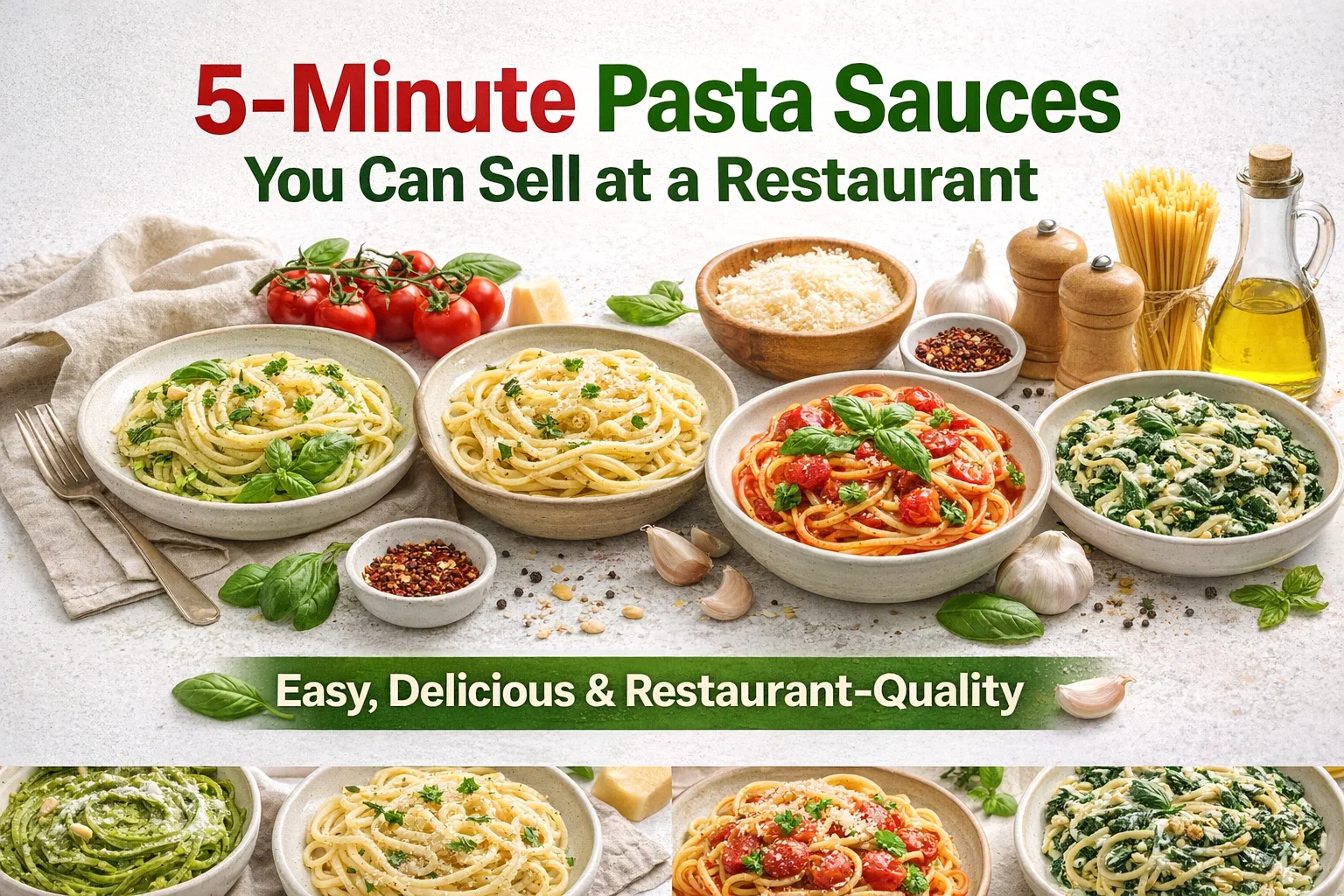
Garlic Butter Parmesan: The Ultimate Comfort Classic
If there is one sauce that defines the soul of easy home cooking, it is the combination of garlic, butter, and Parmesan cheese. This trio creates a silky, savory coating that clings to every strand of pasta. To make this at a restaurant level, the secret lies in the pasta water. When you add a splash of the starchy water from your boiling noodles into the melted butter and cheese, it creates an emulsion. This prevents the sauce from becoming greasy and instead turns it into a luxurious, velvety coating.
Pro Tip for Garlic Lovers
When sautéing your minced garlic, keep the heat on medium-low. Garlic can turn from fragrant to bitter in a matter of seconds. You want it to become translucent and soft, releasing its natural sugars without turning dark brown. Finishing with fresh parsley adds a pop of color and a grassy freshness that cuts through the richness of the butter.
Lemon Pepper Alfredo: A Zesty Twist on Tradition
Traditional Alfredo is often heavy and can feel a bit one-note. By introducing lemon zest and a generous amount of cracked black pepper, you brighten the entire dish. The acidity of the lemon acts as a palate cleanser, making each bite feel light rather than weighted down by the heavy cream. This specific sauce is a favorite for those who enjoy seafood, as it pairs beautifully with grilled shrimp or seared scallops.
When adding lemon to a cream-based sauce, timing is everything. Add the zest during the simmering phase to infuse the oils, but save a squeeze of fresh juice for the very end. This ensures the cream doesn’t curdle while providing that sharp, citrusy finish that defines the dish.
The Art of the Tomato: Quick Basil and Cherry Tomato Bursts
Tomato sauce doesn’t always need to spend half a day on the stove. There are two distinct ways to achieve a world-class red sauce in under ten minutes. The first is using crushed tomatoes with oregano and sugar to balance the acidity, creating a smooth and consistent base. The second, and perhaps more visual method, is the Cherry Tomato Burst.
By tossing whole cherry tomatoes into a hot pan with olive oil, you encourage them to blister and eventually pop. This releases their internal juices, which combine with the oil to create a chunky, rustic sauce that tastes like a summer garden. It is a textural delight that feels incredibly fresh and sophisticated.
Why Sugar Matters in Tomato Sauce
You might wonder why many quick tomato recipes call for a pinch of sugar. Store-bought or even fresh tomatoes can vary in their acidity levels. A small amount of sugar doesn’t make the sauce sweet; rather, it acts as a balancing agent that rounds out the sharp edges of the fruit, making the sauce taste more expensive and well-developed.
Aglio e Olio: The Minimalist Masterpiece
Aglio e Olio translates literally to garlic and oil. It is the ultimate test of a cook’s ability to handle heat. With so few ingredients, the quality of your olive oil is paramount. Use a high-quality extra virgin olive oil for this dish, as it provides the primary flavor profile. The addition of chili flakes provides a gentle heat that lingers on the back of the tongue, while the parsley offers a refreshing contrast.
The key here is the garlic architecture. Some chefs prefer paper-thin slices, while others like a fine mince. Slicing the garlic allows it to brown more evenly and provides little chips of toasted flavor throughout the pasta. Be sure to toss the pasta thoroughly in the oil to ensure every strand is glistening.
Creamy Innovations: Pesto, Mushroom, and Sun-Dried Tomato
For those who love a thicker, more coating sauce, incorporating cream or ricotta is the way to go. These ingredients provide a canvas for more complex flavors like earthy mushrooms or concentrated sun-dried tomatoes.
- Spinach Ricotta: This is a lighter alternative to heavy cream sauces. The ricotta provides a fluffy, cloud-like texture that pairs perfectly with the iron-rich flavor of wilted spinach.
- Mushroom Cream: Sautéing mushrooms until they are golden brown before adding cream unlocks their umami potential. This sauce feels incredibly hearty and is perfect for cooler autumn evenings.
- Sun-Dried Tomato Cream: Using sun-dried tomatoes provides an intense, concentrated tomato flavor that you simply can’t get from fresh produce. Blending them into the sauce creates a beautiful orange hue and a deep, savory sweetness.
The Pesto Shortcut
While making fresh pesto is wonderful, warming up a high-quality pre-made pesto with a bit of cream and pasta water is a legitimate restaurant hack. The cream mellows the bite of the raw garlic in the pesto, creating a smooth, emerald-green sauce that looks stunning on the plate.
Essential Tools for Fast Pasta Success
To execute these recipes like a professional, you don’t need a kitchen full of gadgets, but a few specific tools will make your life much easier. A wide stainless steel or cast iron skillet is preferable to a deep pot for making sauce. The wider surface area allows for faster evaporation and better caramelization of ingredients like mushrooms and garlic.
Additionally, a microplane or a fine grater is a game changer. It allows you to zest lemons and grate hard cheeses like Parmesan or Pecorino Romano into a fine powder that melts instantly into your sauce. If your cheese is too thick, it may clump instead of creating that smooth, restaurant-style finish we are aiming for.
The Importance of Pasta Shape
Not all pasta shapes are created equal when it comes to these five minute sauces. The general rule of thumb is that thinner sauces like Aglio e Olio or Garlic Butter work best with long, thin noodles like Spaghetti or Linguine. These shapes provide plenty of surface area for the oil and butter to coat.
For the creamier or chunkier sauces, such as the Mushroom Cream or Cherry Tomato Burst, consider using shapes with ridges or holes, like Penne, Rigatoni, or Fusilli. These nooks and crannies act as little vessels, trapping the sauce and bits of vegetables, ensuring you get a burst of flavor in every single bite.
Common Mistakes to Avoid
Even with simple recipes, there are a few pitfalls that can hold you back from achieving that professional result. One of the most common mistakes is overcooking the pasta. Since you will be tossing the pasta in the sauce for a minute or two at the end, you should pull the noodles out of the water when they are slightly firmer than al dente. They will finish cooking in the sauce, absorbing the flavors directly into the pasta itself.
Another error is draining the pasta water too early. Always keep a measuring cup or a small bowl of the boiling water on standby. If your sauce looks too thick or isn’t clinging to the noodles, a tablespoon or two of that liquid gold will fix the consistency instantly. It is the bridge that connects the pasta to the sauce.
Bringing the Restaurant Home
Cooking at home should be a joy, not a chore. These nine sauce variations prove that you can have a sophisticated, delicious meal without spending your entire evening in front of the stove. By understanding the basics of heat, timing, and ingredient pairing, you can flip the script on weeknight dinners. No longer do you have to settle for bland or repetitive meals. With a lemon, some garlic, a bit of cream, and five minutes, you have everything you need to be the head chef of your own kitchen.
Next time you find yourself reaching for the phone to order takeout, remember that you could already be sitting down to a plate of Creamy Pesto or Sun-Dried Tomato Pasta in the time it would take for a delivery driver to arrive. These recipes are more than just instructions; they are an invitation to experiment, to taste as you go, and to rediscover the simple pleasure of a perfectly cooked bowl of pasta.
Whether you are cooking for a date night, a family gathering, or just a quiet solo dinner, these sauces offer the versatility and speed required for a modern lifestyle. Start with the Garlic Butter Parmesan and work your way through the list. Before you know it, you will be intuitively mixing and matching these ingredients to create your own signature five minute masterpieces.
Conclusion
Elevating your culinary skills doesn’t always require a multi-year degree or a kitchen full of expensive equipment. Sometimes, it just requires a shift in perspective and a few reliable recipes in your back pocket. The sauces we explored today represent the best of quick-service cooking—minimalist, flavorful, and incredibly efficient. By prioritizing fresh herbs, quality fats, and the magic of pasta water, you can serve meals that look and taste like they came straight out of a professional kitchen. So, put on your apron, boil some water, and get ready to impress yourself with what you can accomplish in just five minutes.
Would you like me to generate a specific grocery list or a set of wine pairings for these nine pasta sauces?